
Flagpole accessories – the parts of an Irish flagpole
Published Written by Flagpole Guides
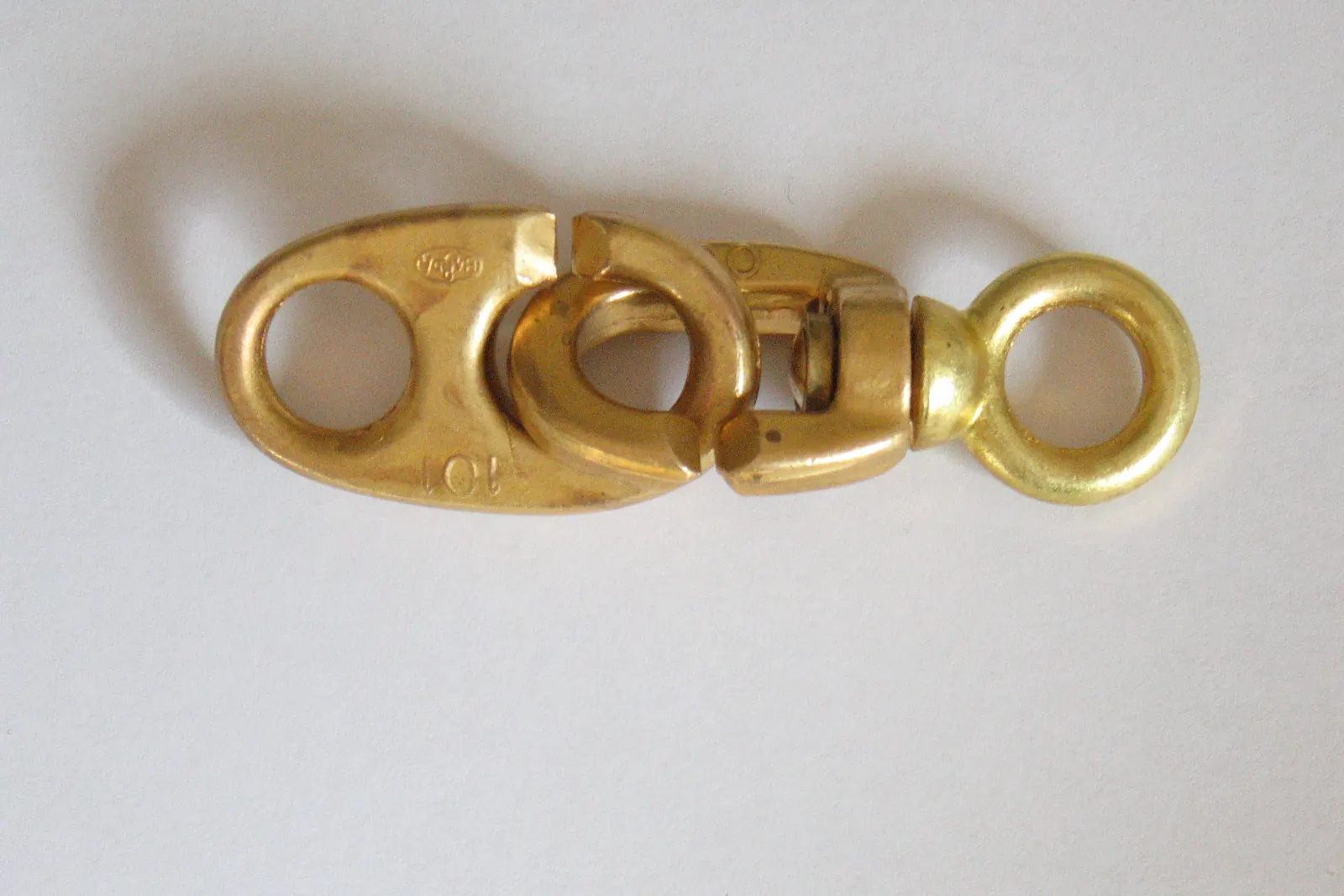
A flagpole is more than a pole. At the top sits a finial or truck with a pulley; a rope, the halyard, runs up and down; at the bottom there is a way to fix and lock the rope, and in the ground a sleeve, hinge or base plate. Irish suppliers sell the parts separately, and several of them wear out long before the pole does. This guide gives an overview of the parts and accessories of a flagpole.
The parts
| Part | Function |
|---|---|
| Finial | The ornament at the very top, such as a ball or spear; protects the top of the pole |
| Truck | The fitting at the top with the pulley the halyard runs over; on many poles it rotates |
| Halyard | The rope that raises and lowers the flag |
| Clips or toggles | The link between the flag and the halyard |
| Cleat | A fitting low on the pole around which an external halyard is tied off |
| Counterweight | Keeps an internal halyard taut inside the pole |
| Door | A lockable opening at the base of an internal halyard pole |
| Ground sleeve or hinged base | Holds the pole in the foundation |
| Base cover | Covers the fixing at ground level |
| Fixings | Bolts, brackets and flanges for walls, slabs and roofs |
FlagPoles Ireland, a Dublin supplier, lists accessories, doors, finials, fixings, ropes, weights, base covers and fence posts among its products. Flags Ireland sells indoor presentation poles with wooden bases, wall-mounted poles and replacement flagpole rope.
Halyard and fixings for the flag
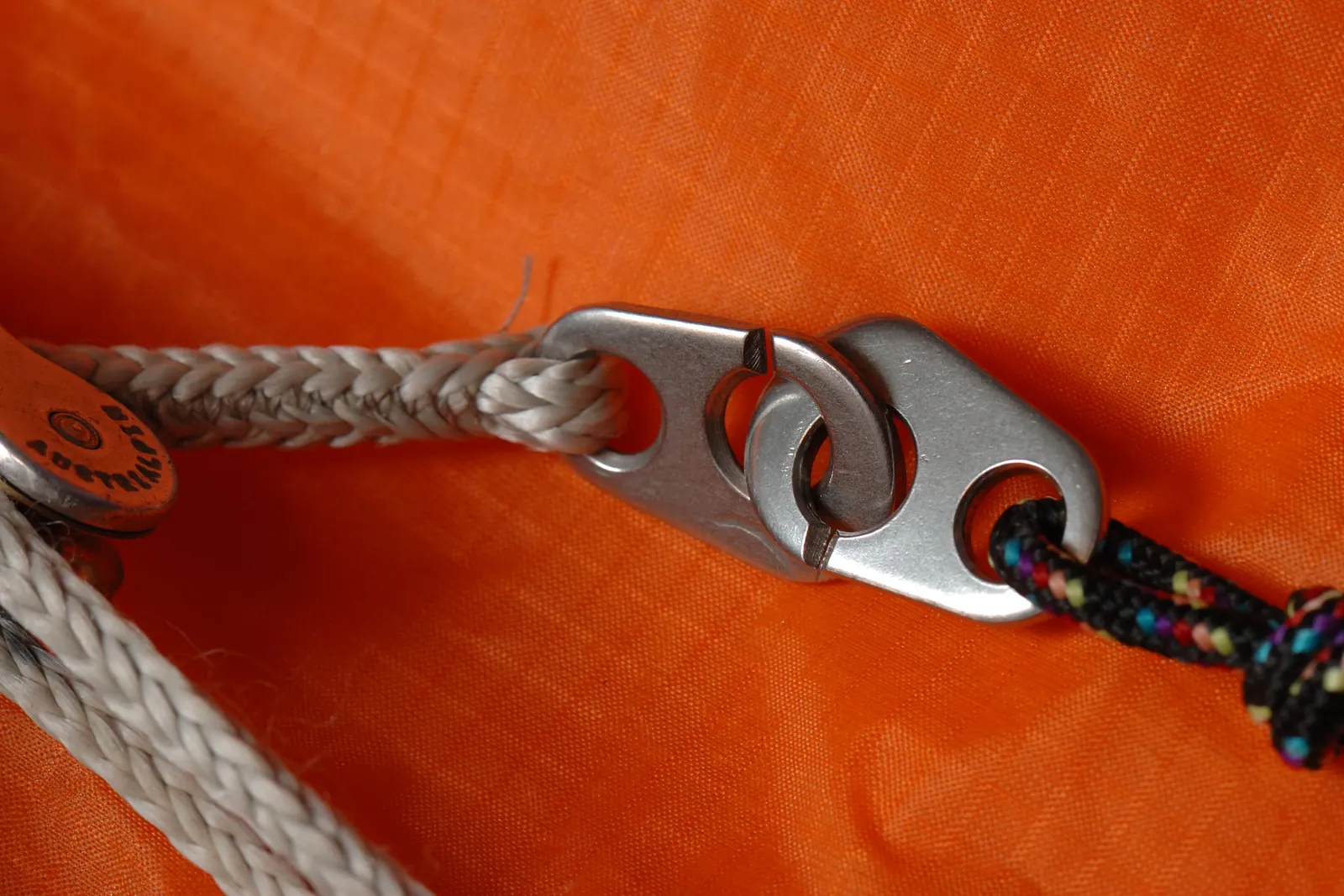
The halyard is the part that wears out most often. It runs over the pulley in the truck and down to the cleat or the internal locking system. Flags for flagpoles are finished for this: with a rope loop and tail or brass rings on the hoist side. An Irish flagpole supplier notes that cheap flags with eyelets can fail and leave the flag stuck at the top of the pole.
Internal or external halyard
On an external halyard, the rope runs on the outside of the pole and is tied off on a cleat. On an internal halyard, the rope runs inside the pole behind a lockable door, kept taut by a counterweight fitted either to the bottom of the flag or to the end of the rope. FlagPoles Ireland recommends internal halyards mainly for health and safety and calls them anti-vandal, since they prevent theft of the flag and cutting of the rope. In schools, where pupils often raise and lower the flag, the supplier compares the internal halyard to the rules for cords on window blinds in classrooms.
Both systems make some noise: the external rope and the counterweight can bang against the pole in the wind. How the halyard works is described in the guide to how a flagpole works.
Banner arms
For promotional flags, a banner arm holds the top of a long vertical flag out from the pole, and on a rotating banner arm the flag turns with the wind. According to FlagPoles Ireland, banner arms on hinged-base poles are common at motor dealerships, where the flags are usually changed with the pole lying on the ground.
Lighting
LED lights fitted to the pole light the flag from below. FlagPoles Ireland sells a pole-mounted LED system in 25 and 45 watt versions, with warm or cool white light and a rated lifetime of more than 35,000 hours. According to the guidelines of the Department of the Taoiseach, the National Flag may be flown at night as long as it is properly illuminated at all times, preferably by spotlight. More in the guide to flag lighting.
Indoor accessories
For indoor use, flags stand on presentation staffs in weighted wooden or metal bases, often with a finial and a brass finish. According to the guidelines, a gold fringe or tassels can be added to a flag displayed indoors or on ceremonial occasions outdoors; the fringe is decorative and not part of the flag.
Wear and replacement
Pulleys, halyards, clips and counterweights wear with use and weather. Replacement of halyards, weights and worn parts is part of the services Irish flagpole suppliers offer. How the parts are checked is covered in the guide to flagpole maintenance, and common faults in the guide to flagpole repair.
Frequently asked questions
What accessories does a flagpole need?
A basic outdoor flagpole has a finial or truck at the top, a halyard (the rope), a way to attach the flag, and a cleat or an internal locking system to hold the rope. Internal halyard poles also use a counterweight and a lockable door.
What is a counterweight on a flagpole?
On a pole with an internal halyard, a weight keeps the rope taut inside the pole. According to an Irish supplier, it is fitted either to the bottom of the flag or to the end of the rope.
Can a flagpole be lit?
Yes. LED lights mounted on the pole are sold in Ireland for flagpoles. The guidelines of the Department of the Taoiseach allow the National Flag to fly at night as long as it is properly illuminated, preferably by spotlight.
Why does a flagpole make noise in the wind?
According to an Irish supplier, both external ropes and the counterweight of an internal halyard can bang against the pole in the wind. With use, the noise can be reduced.
Sources
This guide is based on the following sources:
- Shop – accessories, doors, finials, fixings, ropes, weights and base covers – FlagPoles Ireland
- FAQs – FlagPoles Ireland
- LED illumination – FlagPoles Ireland
- Flagpoles – indoor and outdoor and accessories – Flags Ireland
- The National Flag – Guidelines (September 2025), sections 3 and 5 – Department of the Taoiseach
Related guides
- How a flagpole worksHow a flagpole works: the halyard and truck, internal and external systems, counterweights, hinged bases, hoisting to half-mast and the Irish guidelines.
- Flagpole maintenanceFlagpole maintenance in Ireland: yearly servicing, halyards and pulleys, cleaning, flag changes, storm preparation and caring for the flag itself.
- Flagpole repairCommon flagpole faults in Ireland and their causes: jammed halyards, flags stuck at the top, worn pulleys, broken poles, loose bases – and repair services.
- Flag lightingFlying the Irish flag at night: what the Taoiseach’s guidelines say about illumination, spotlights and pole-mounted LEDs, funerals, and planning for lit signs.