Flagpole materials in Ireland: fibreglass, aluminium, steel or timber?
Published Written by Flagpole Guides
The material of a flagpole decides its weight, how it behaves in the wind, how much maintenance it needs and how long it lasts. In Ireland, with its Atlantic weather and salt air along much of the coast, those differences matter. This guide compares the four main materials: fibreglass, aluminium, steel and timber.
Fibreglass
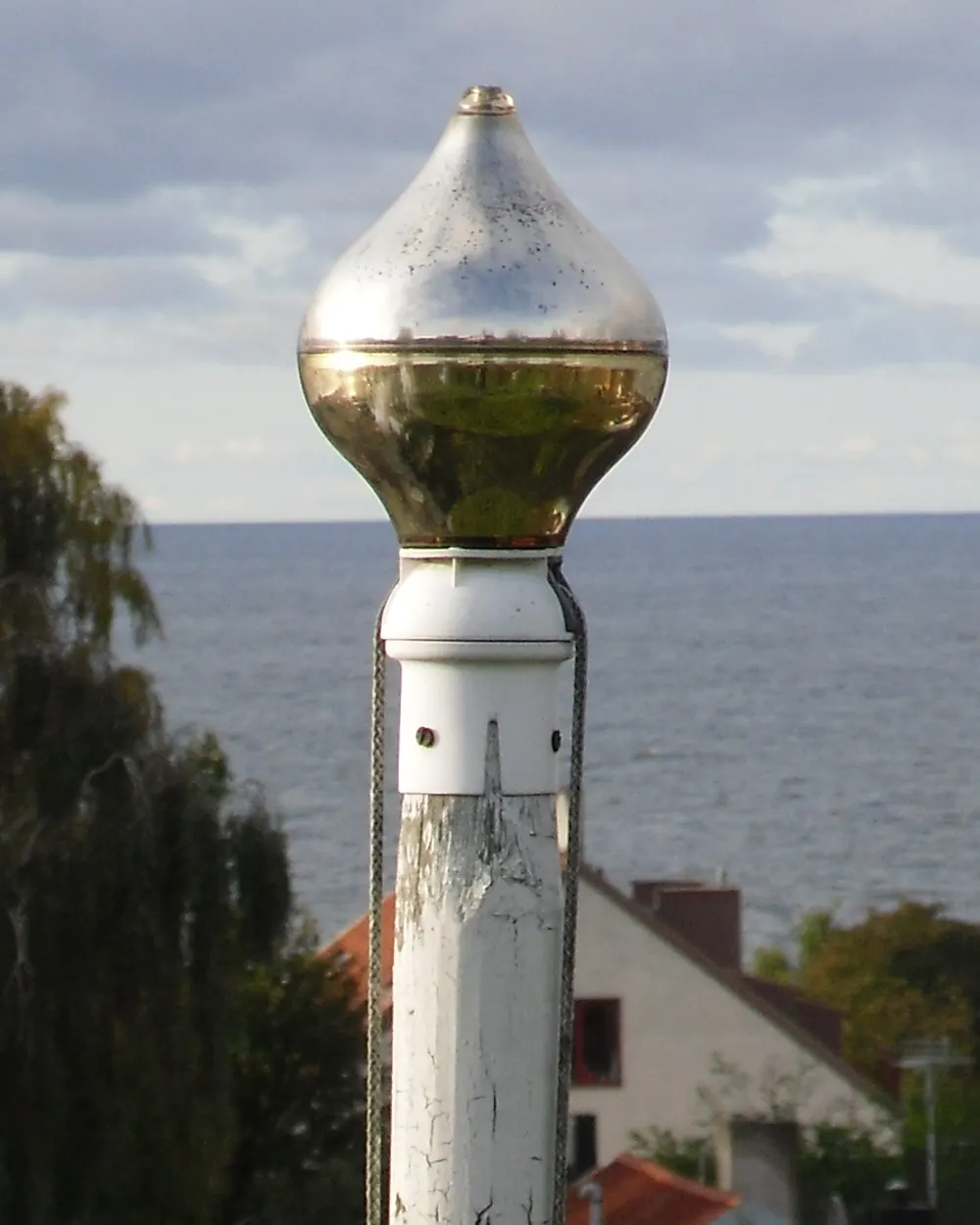
Fibreglass, also called glassfibre, is widely used for outdoor flagpoles in Ireland. FlagPoles Ireland, a Dublin supplier and installer, supplies and installs only fibreglass poles, which it describes as the most durable on the market and easily maintained, compared with aluminium or metal poles that it says can raise health and safety concerns and cost more to service. Fibreglass poles are light, and in many cases customers can service them themselves. The supplier gives a 10-year manufacturer’s warranty on the pole and reports that some of the first poles it installed, nearly 30 years ago, are still in use after yearly servicing.
Fibreglass flexes in the wind rather than standing rigid. When a pole breaks, the supplier notes, the pattern of the glass fibres shows the manufacturer what caused the break.
Aluminium
Aluminium poles are common on public buildings, business parks and at homes. The metal is light for its strength and does not rust like untreated steel, and poles are often anodised or powder-coated. Irish suppliers sell aluminium in both short poles and tall ones; FlagPoles Ireland lists aluminium poles of 2 and 3 metres, in 50 and 60 mm diameters, at 6 to 8 kg. Aluminium is well suited to internal halyards and to anti-vandal designs.
Steel
Steel is used for tall and heavy-duty poles, such as those on public buildings or for large flags. It is strong and stiff, but heavy and prone to corrosion unless galvanised or coated. A steel pole needs a correspondingly larger foundation and heavier lifting equipment for installation.
Timber
Timber was the traditional material for flagstaffs and ship masts. Today it is mostly used indoors, as wooden presentation staffs with brass fittings in schools, offices and council chambers. Outdoor timber poles need regular painting or oiling to cope with rain and are less common than metal or fibreglass.
Weights
FlagPoles Ireland lists the weight of its poles by height and type:
| Height | Classic fibreglass | Hinged-base fibreglass | Aluminium, 50 mm | Aluminium, 60 mm |
|---|---|---|---|---|
| 2 m | – | – | 6 kg | 8 kg |
| 3 m | – | – | 8 kg | – |
| 6 m | 10 kg | 21 kg | – | – |
| 7 m | 11 kg | 23 kg | – | – |
| 8 m | 12 kg | 25 kg | – | – |
| 9 m | – | 36 kg | – | – |
| 10 m | – | 38 kg | – | – |
| 12 m | – | 48 kg | – | – |
The weight affects transport, installation and the load on a wall bracket. More in the guides to transporting a flagpole and installing a flagpole.
Irish conditions
According to Met Éireann, the prevailing wind in Ireland is from the south and west, and average annual wind speeds range from about 3 m/s in parts of south Leinster to over 8 m/s in the extreme north. Inland places such as Carlow have on average fewer than 2 days with gales a year, while northern coastal stations such as Malin Head have more than 50. On an exposed coastal site, a flagpole and its fittings work much harder than in a sheltered town garden.
FlagPoles Ireland also notes that the wind at the top of a flagpole is a great deal stronger than at ground level, and that a wet flag weighs roughly three to four times as much as a dry one when flying, which puts more pressure on the top of the pole.
Comparison
| Material | Weight | Maintenance | Typical use |
|---|---|---|---|
| Fibreglass | Low | Low; yearly service of the fittings | Homes, clubs, schools, businesses |
| Aluminium | Medium | Low; fittings and halyard | Public buildings, business parks, homes |
| Steel | High | Coating and corrosion checks | Tall poles, large flags |
| Timber | Medium | Regular painting or oiling | Indoor staffs, traditional settings |
How long each material lasts is covered in the guide to flagpole and flag lifespan, and the care of the pole in the guide to flagpole maintenance.
Frequently asked questions
Which flagpole material is most common in Ireland?
Fibreglass and aluminium are the most common for outdoor poles. One Irish supplier and installer supplies only fibreglass poles, which it describes as durable, light and easily maintained, and warrants for 10 years.
How heavy is a flagpole?
An Irish supplier lists a 6-metre classic fibreglass pole at about 10 kg and a hinged-base version at about 21 kg; at 8 metres the figures are about 12 and 25 kg, and a 12-metre hinged-base pole weighs about 48 kg. Short aluminium wall poles of 2 to 3 metres weigh 6 to 8 kg.
Is aluminium or fibreglass better near the sea?
Both are used on the coast. Aluminium does not rust like untreated steel, and fibreglass does not corrode at all, but salt air and constant wind wear on fittings, pulleys and halyards whatever the pole is made of. Coastal sites in Ireland have far more gales than inland ones.
Are timber flagpoles still used?
Mostly indoors, as wooden presentation staffs with brass fittings. Outdoor timber poles need regular painting or oiling and are less common today.
Sources
This guide is based on the following sources:
- FAQs – FlagPoles Ireland
- Flag size guideline – FlagPoles Ireland
- Flagpole safety inspections – FlagPoles Ireland
- Wind – Met Éireann
- Flagpoles – indoor and outdoor and accessories – Flags Ireland
Related guides
- Types of flagpolesThe main types of flagpole in Ireland: ground-mounted, sleeved and hinged-base poles, wall-mounted poles, indoor staffs, banner poles and roof flagstaffs.
- LifespanHow long flagpoles and flags last in Ireland: warranties, fibreglass poles in use for 30 years, coastal wind and salt, flag wear, and consumer rights.
- Flagpole maintenanceFlagpole maintenance in Ireland: yearly servicing, halyards and pulleys, cleaning, flag changes, storm preparation and caring for the flag itself.
- Flagpole safetyFlagpole safety in Ireland: Met Éireann wind warnings, overhead lines and ESB Networks, Dial Before You Dig, work at height rules and flagpoles at schools.