
Flagpole and flag lifespan in Irish conditions
Published Written by Flagpole Guides
A flagpole is bought to last, a flag to be replaced. How long each lasts in Ireland depends on the material, the site and the care it gets, and the Irish weather, with its frequent gales on the coast, plays a large part. This guide describes what affects the lifespan of poles, fittings and flags.
The pole
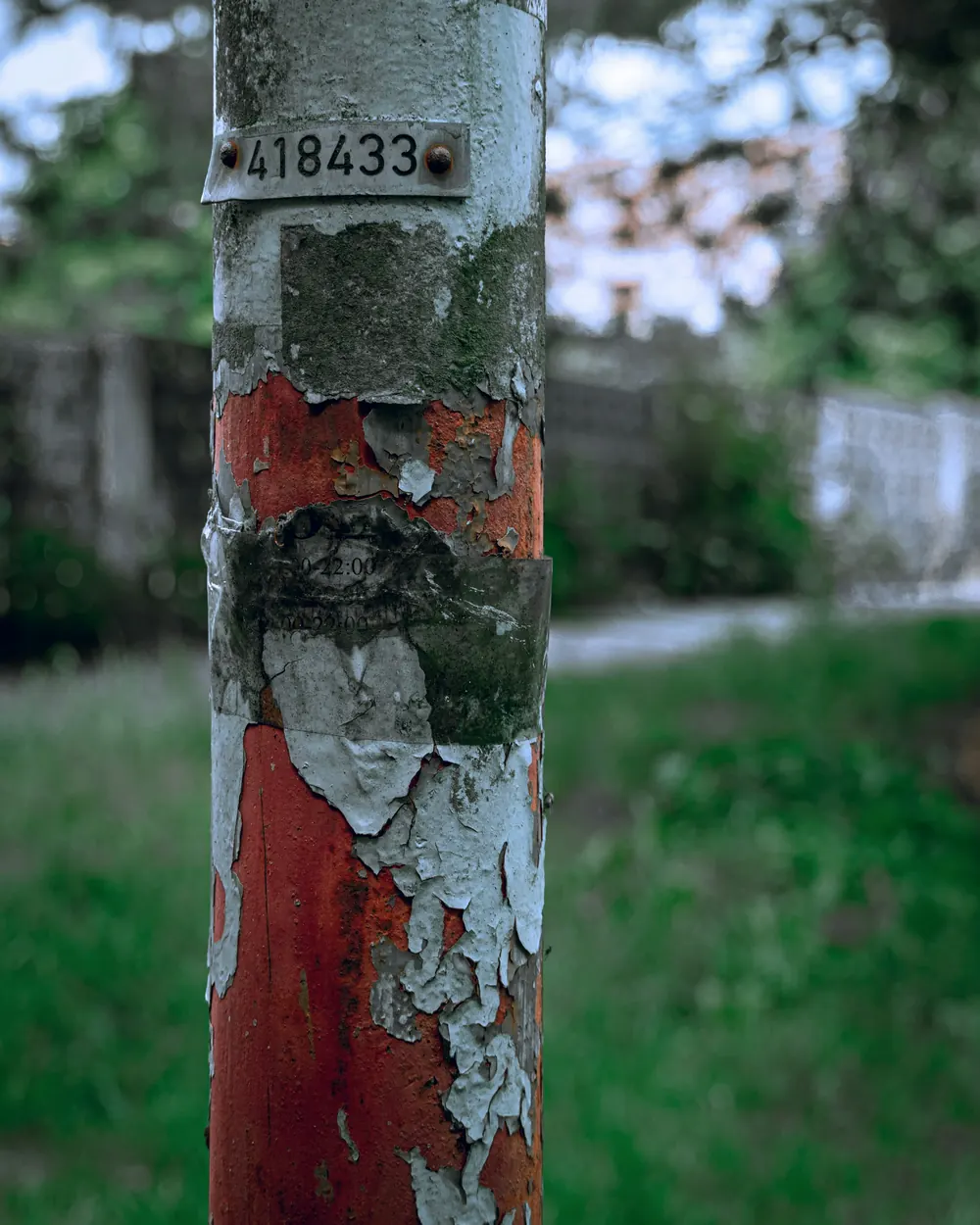
A well-made flagpole can stand for decades. FlagPoles Ireland, a Dublin supplier and installer, gives a 10-year manufacturer’s warranty on its fibreglass poles, covering the pole only, and can extend it by five years as part of an annual maintenance programme. It reports that some of the first poles it installed, nearly 30 years ago, are still in use because they have been serviced yearly.
| Material | Typical ageing |
|---|---|
| Fibreglass | Does not corrode; the surface can weather and fittings wear |
| Aluminium | Does not rust like steel; coatings and fittings age, especially in salt air |
| Steel | Strong, but corrodes where the coating is damaged |
| Timber | Needs regular painting or oiling outdoors |
The materials are compared in the guide to flagpole materials.
The fittings
The parts that move wear long before the pole. The halyard, the pulley in the truck, the clips, the counterweight and the cleat or door lock are exposed to wind, rain and dirt. According to FlagPoles Ireland, dirt and grime collect in the halyard system over time and can eventually make it seize. Replacing these parts every few years is normal maintenance, not a sign of a poor pole. More in the guide to flagpole maintenance.
LED lights on a pole have their own rated lifetime; one pole-mounted system sold in Ireland is rated at more than 35,000 hours with a two-year warranty.
Wind and weather
Wind is the main factor. According to Met Éireann, the number of days with gales varies enormously across Ireland: fewer than 2 a year at some inland places like Carlow, but more than 50 at northern coastal stations such as Malin Head. Average wind speeds range from about 3 m/s in parts of south Leinster to over 8 m/s in the extreme north. A pole on an exposed headland in Donegal or Mayo works far harder than one in a sheltered Dublin garden.
Two habits extend the life of both pole and flag, according to an Irish supplier: not flying flags in strong winds or rain, when a wet flag weighs three to four times as much, and taking all flags down during a wind alert. Flying one flag per pole, and a flag of the right size, also keeps the load within what the pole was made for.
The flag
Flags wear out far faster than poles. The fly end, farthest from the pole, frays first, and the colours fade in daylight. How long a flag lasts depends on:
- the fabric: heavy woven polyester generally lasts longer than lighter printed polyester
- the site: coastal and exposed sites wear flags quickly
- how often it flies: a flag flying every day wears faster than one raised on the flag days
- the weather: flags flown in storms or left wet wear faster
An Irish flagpole supplier warrants its flags for one month from purchase. Corporate clients often have their flags changed on a fixed schedule, from fortnightly to quarterly.
A worn National Flag
According to the guidelines of the Department of the Taoiseach, a National Flag that has become worn or frayed is no longer fit for display and is not used in any manner implying disrespect. It is destroyed or disposed of in a dignified way. More in the guide to flag flying rules.
Consumer rights and lifespan
Consumer law links rights to how long a product can reasonably be expected to last. According to the Competition and Consumer Protection Commission, consumer rights for faulty goods last up to six years after purchase if the product might reasonably be expected to last that long, and a fault in the first year is presumed to have existed from the start. Wear and tear is not a fault. A manufacturer’s warranty comes on top of these rights. Faults and repairs are described in the guide to flagpole repair.
Frequently asked questions
How long does a flagpole last in Ireland?
With regular servicing, several decades. An Irish supplier gives a 10-year manufacturer’s warranty on its fibreglass poles and reports that some it installed nearly 30 years ago are still in use because they have been serviced yearly.
How long does a flag last?
Much less than a pole, and it depends on the fabric, the size, the site and how many days it flies. A flag flying every day on an exposed coastal site wears out far faster than one flown on the flag days in a sheltered garden. An Irish supplier warrants its flags for one month.
Do flagpoles last less near the sea?
Coastal sites put more strain on a pole: Met Éireann records more than 50 days with gales a year at northern coastal stations such as Malin Head, against fewer than 2 at some inland places. Salt air also affects metal fittings, pulleys and fixings.
How long do consumer rights last for a flagpole?
According to the Competition and Consumer Protection Commission, consumer rights for faulty goods last up to six years after purchase if the product can reasonably be expected to last that long. Wear and tear is not a fault.
Sources
This guide is based on the following sources:
- FAQs – FlagPoles Ireland
- Flags – FlagPoles Ireland
- LED illumination – FlagPoles Ireland
- Wind – Met Éireann
- Faulty products and goods – Competition and Consumer Protection Commission
- The National Flag – Guidelines (September 2025), section 14 – Department of the Taoiseach
Related guides
- Flagpole materialsFlagpole materials compared for Irish conditions: fibreglass, aluminium, steel and timber, with weights, maintenance, salt air and wind in mind.
- Flagpole maintenanceFlagpole maintenance in Ireland: yearly servicing, halyards and pulleys, cleaning, flag changes, storm preparation and caring for the flag itself.
- Flagpole repairCommon flagpole faults in Ireland and their causes: jammed halyards, flags stuck at the top, worn pulleys, broken poles, loose bases – and repair services.
- Flag flying rulesThe rules for flying the Irish flag: the Constitution, the Taoiseach’s guidelines, sunrise to sunset, lighting at night, respect for the flag and disposal.