
Flagpole repair in Ireland: common faults and causes
Published Written by Flagpole Guides
Most flagpole problems start small: a halyard that sticks, a pulley that squeaks, a flag that will not come down. Left alone, they can end with a flag stuck at the top for weeks or a pole damaged in a storm. This guide goes through the common faults of flagpoles in Ireland, what causes them and how they are usually put right.
Common faults
| Fault | Common causes | Usual remedy |
|---|---|---|
| Halyard jams | Dirt and grime in the system, frayed rope, rope off the pulley | Cleaning, freeing or replacing the halyard |
| Flag stuck at the top | Seized pulley, flag wrapped around the pole, failed eyelets | Freeing from a lift or lowered pole, new fittings |
| Truck does not turn | Worn bearing, dirt, corrosion | Cleaning or replacing the truck |
| Noise in the wind | Rope or counterweight striking the pole | Adjusting the rope, replacing the weight |
| Door or cleat broken | Wear, vandalism, corrosion | Replacing the part |
| Pole leans | Loose base bolts, failed foundation, soft ground | Tightening, new base or foundation |
| Pole cracked or broken | Overload, several flags on one pole, flying in high winds | New pole |
Jammed halyards
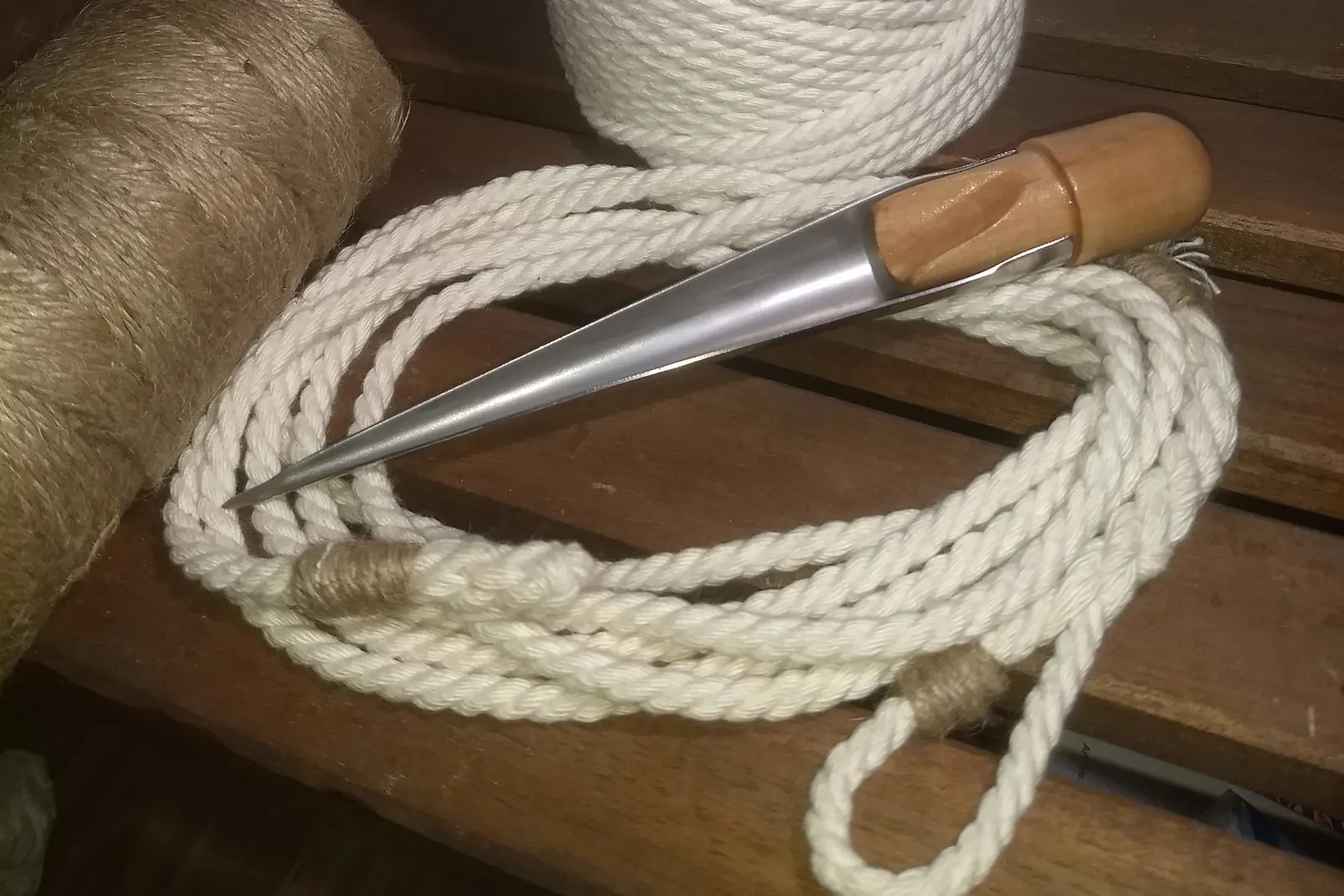
The halyard is the part that fails most often. According to FlagPoles Ireland, a Dublin supplier and installer, poles collect dirt and grime in the halyard system depending on their location, which can eventually make it seize and jam. On an internal halyard the rope is out of sight, and a jam is often noticed only when the flag will not move. Replacement halyards and weights are among the services Irish flagpole suppliers offer.
Flags stuck at the top
A flag stuck at the top of a pole cannot be lowered for half-mast or in a storm. FlagPoles Ireland warns that cheap flags with eyelets can fail on a flagpole and leave the flag stuck at the top. A flag can also wrap itself around the pole in shifting wind, especially if the truck no longer turns. Reaching the top usually means lowering a hinged pole or working from a lift, which is work at height.
Broken poles
FlagPoles Ireland names two things that stress a pole beyond what it is made for:
- several flags on one pole: flagpoles are designed to fly one flag each, and chaining flags together on a taller pole stresses it until it breaks, voiding the warranty
- flags in high wind: the supplier advises against flying flags in strong winds or rain and never in force 7 or above, and a pole that breaks with a flag flying during a wind alert is outside its warranty
An oversized flag adds to the load, especially when wet. With a fibreglass pole, the manufacturer can identify the cause of a break from the pattern of the glass fibres. Flag sizes by pole height are in the guide to flag sizes.
Working safely
Many repairs mean working at height. For workplaces, the Safety, Health and Welfare at Work (General Application) Regulations 2007 set a hierarchy: work at height is avoided where reasonably practicable, falls are prevented where it cannot be avoided, and the distance and consequences of a fall are minimised where the risk cannot be eliminated. Lowering a hinged-base pole to the ground often turns a repair at the top into a job at ground level. Irish suppliers also offer emergency call-outs and hoisting of flags for special occasions. More in the guide to flagpole safety.
Faulty products and consumer rights
When a new flagpole or part turns out to be faulty, consumer law applies. According to the Competition and Consumer Protection Commission, the business that sold the product is responsible for a repair or replacement, and the consumer chooses which after the first 30 days. Repairs are done free of charge within a reasonable time, and if the product was installed, the business is responsible for uninstalling it and installing the repaired or replacement product, or for the costs. Damage from accidents, wear and tear or misuse is not covered. A manufacturer’s warranty comes on top of these rights.
Preventing faults
Most of the faults above are found early by a yearly inspection. More in the guide to flagpole maintenance, and the parts are described in the guide to flagpole accessories.
Frequently asked questions
Why is a flag stuck at the top of a flagpole?
Common causes are a halyard that has jammed with dirt, a pulley in the truck that has seized, a flag wrapped around the pole, or eyelets that have failed. An Irish supplier notes that cheap flags with eyelets can fail and leave the flag stuck at the top of the pole.
Why did my fibreglass flagpole break?
An Irish supplier names chaining several flags on one pole and flying flags in strong winds as causes that stress the pole and can break it, and notes that the manufacturer can identify the cause from the pattern of the glass fibres at the break.
Can a flagpole be repaired or does it have to be replaced?
Most faults are in the parts: halyards, pulleys, counterweights, clips and doors can be replaced. A cracked, bent or badly corroded pole, or a failed foundation, usually means a new pole or base.
Who pays if a new flagpole is faulty?
According to the Competition and Consumer Protection Commission, the business that sold the product is responsible for a repair, replacement or refund if it is faulty, including uninstalling and reinstalling an installed product. Wear and tear or damage from misuse is not a fault.
Sources
This guide is based on the following sources:
- Flagpole safety inspections – FlagPoles Ireland
- FAQs – FlagPoles Ireland
- Flag size guideline – FlagPoles Ireland
- Repairs and replacements – Competition and Consumer Protection Commission
- Guide to the Safety, Health and Welfare at Work (General Application) Regulations 2007, Part 4: Work at Height – Health and Safety Authority
Related guides
- Flagpole maintenanceFlagpole maintenance in Ireland: yearly servicing, halyards and pulleys, cleaning, flag changes, storm preparation and caring for the flag itself.
- How a flagpole worksHow a flagpole works: the halyard and truck, internal and external systems, counterweights, hinged bases, hoisting to half-mast and the Irish guidelines.
- Flagpole accessoriesThe parts and accessories of a flagpole in Ireland: finials, halyards, weights, cleats, doors, base covers, fixings, banner arms and LED lighting.
- LifespanHow long flagpoles and flags last in Ireland: warranties, fibreglass poles in use for 30 years, coastal wind and salt, flag wear, and consumer rights.