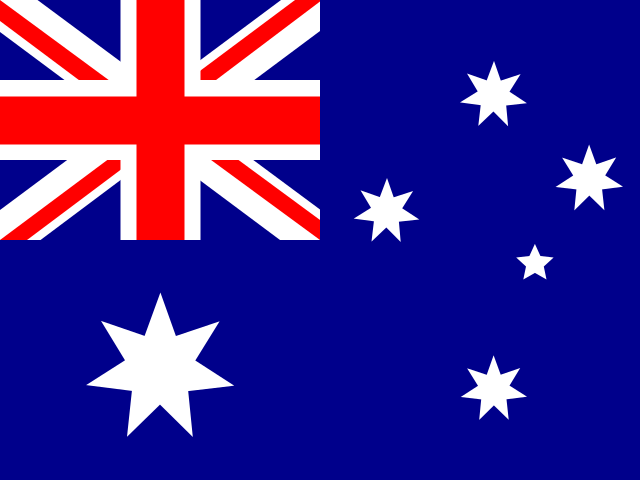
Flagpoles and flag flying in Australia
Published Written by Flagpole Guides
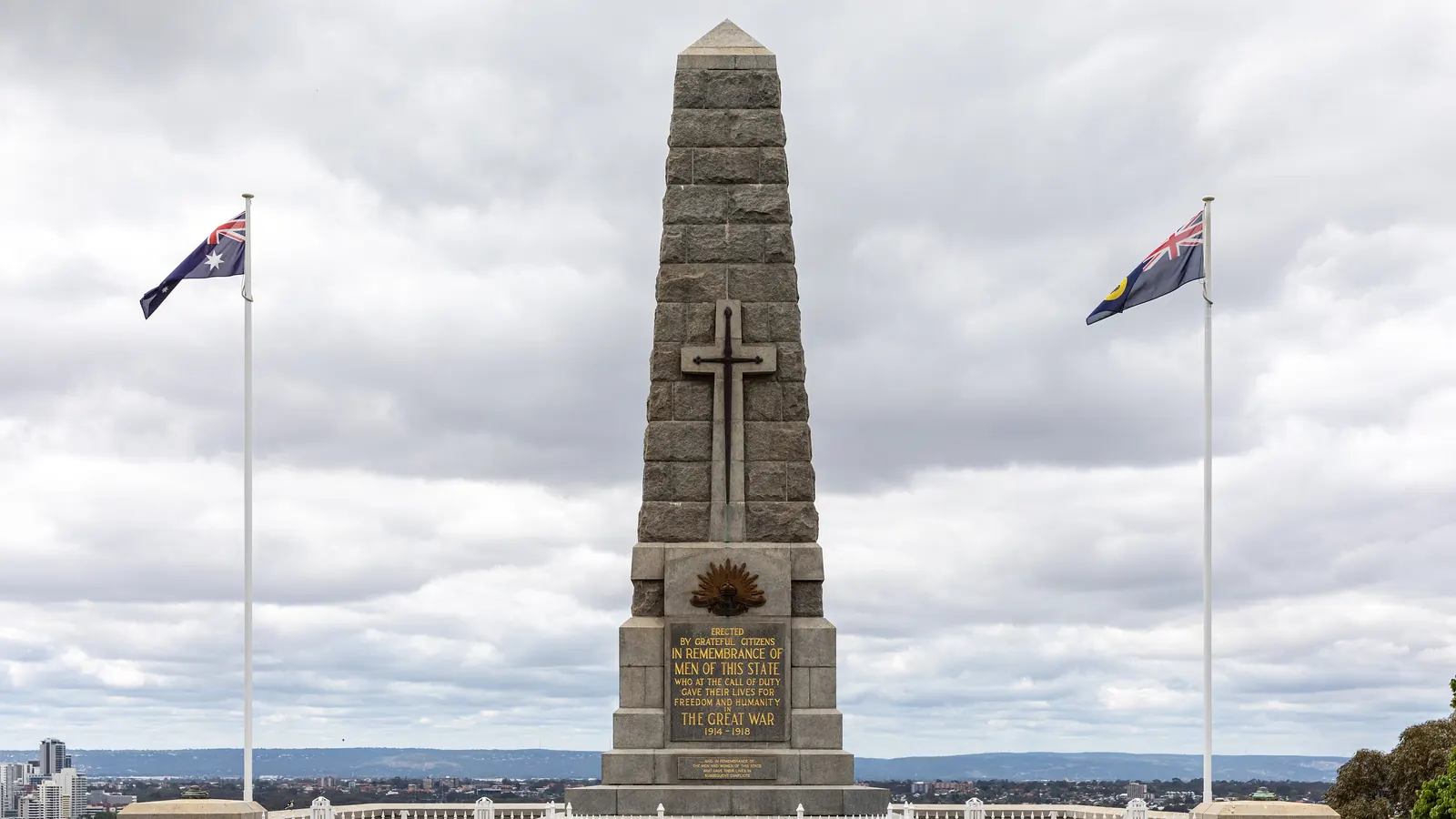
Flags are part of everyday life in Australia: the Australian National Flag over schools, council chambers and surf clubs, the Aboriginal and Torres Strait Islander flags beside it during NAIDOC Week, state flags on state buildings, and club and company flags on flagpoles in front yards, on farms and at business parks. The rules behind them come from several places: a federal law that defines the flags, a protocol published by the Department of the Prime Minister and Cabinet, and state and territory laws that decide when a flagpole needs a permit. This section brings together what applies to flag flying and flagpoles in Australia, with sources from Australian legislation and government agencies.
The essentials
- Flag days: The Department of the Prime Minister and Cabinet lists days on which flying the flag is particularly encouraged, from Australia Day to Remembrance Day. The dates are in the guide to flag days.
- Who may fly flags: Any person may fly the Australian National Flag, on every day of the year. The details are in the guide to flag flying rules.
- Half-mast: An acceptable half-mast position is with the top of the flag a third of the way down the pole. More in the guide to half-mast.
- Size: Australian flag makers use a rule of thumb of a flag length of one quarter to one third of the pole’s height. The flag size calculator works it out.
- Buying: What affects the price is explained in the guides to buying a flagpole and buying a flag.
- Permits: Each state and territory has its own height limit for a flagpole without a permit. More in the guide to installing a flagpole.
Law, protocol and responsible bodies
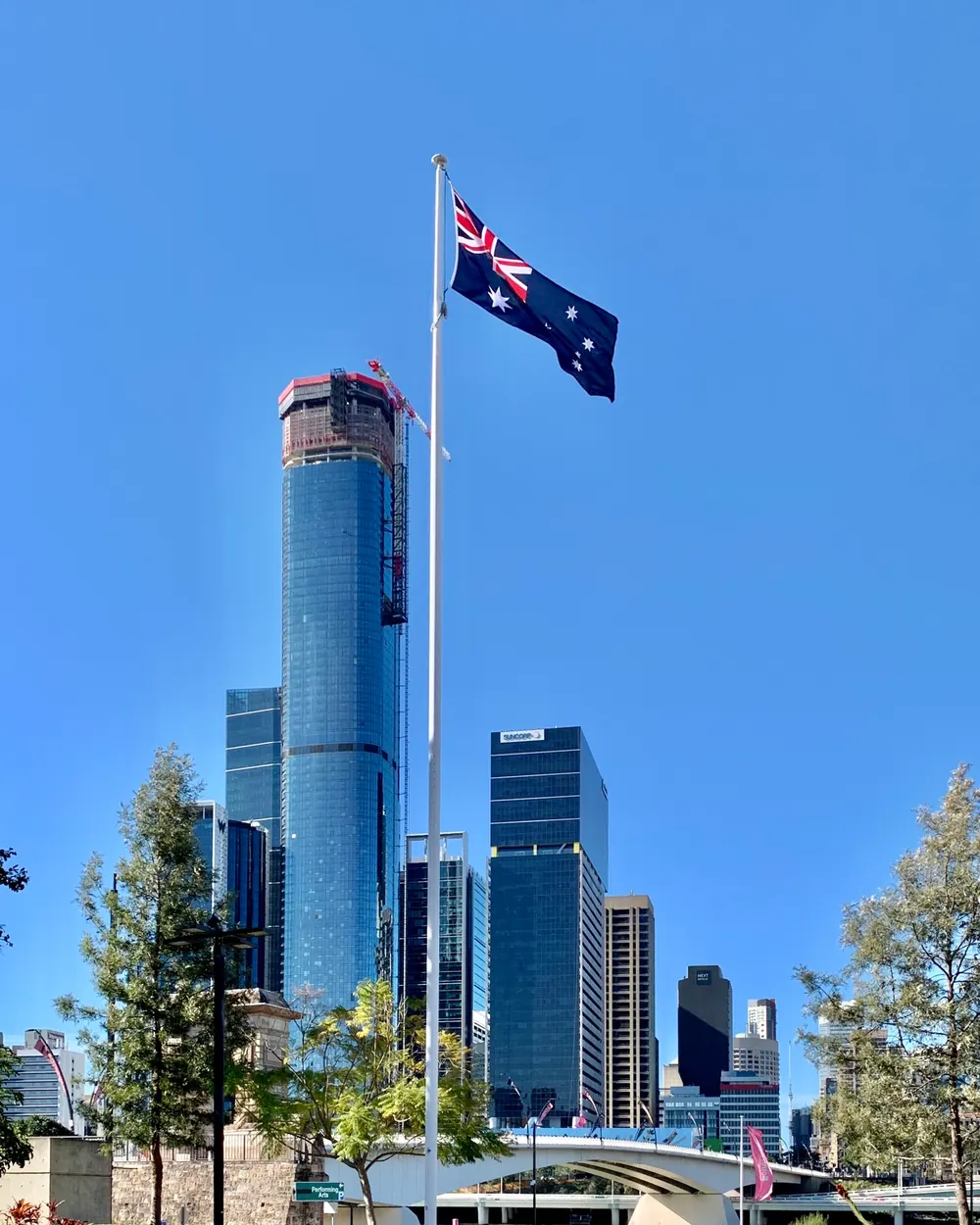
The Flags Act 1953 declares the blue flag with the Union Jack, the Commonwealth Star and the Southern Cross to be the Australian National Flag, and the red version to be the Australian Red Ensign. Since 1998 the Act has stated that the national flag can only be replaced if a new flag is chosen by a majority of electors in a vote. Under section 5, the Governor-General has proclaimed further flags of Australia, among them the Australian Aboriginal Flag and the Torres Strait Islander Flag in 1995.
The protocol for flying the flags is published by the Department of the Prime Minister and Cabinet (PM&C) in the booklet Australian Flags. It is guidance rather than law: it sets out how the flag is raised and lowered, the order of precedence and when flags fly at half-mast. PM&C also runs the Commonwealth Flag Network, a free email service that tells flag marshals about special days and half-mast occasions.
| Level | What it covers |
|---|---|
| Commonwealth | The Flags Act 1953, the PM&C flag protocol and the flag days for Australian Government buildings |
| States and territories | State flags, state government flag protocols, and the rules for when a flagpole needs a permit |
| Local councils | Development applications, heritage places and local planning controls |
The flagpole in Australia
There are no national rules on what a flagpole must look like. Whether a permit is needed depends on the state or territory, the pole’s height and the site. The height up to which a free-standing flagpole needs no building permit or development approval is 3 metres in Western Australia, 6 metres in New South Wales, Tasmania and the Northern Territory, 8 metres in Victoria and 10 metres in Queensland and South Australia, each with further conditions; in the ACT, a flag pole up to 10 metres is exempt from development approval. Aluminium flagpoles are the most common. In Victoria, according to the Department of Education, new government schools are built with three flagpoles, for the Australian, Victorian and Aboriginal or Torres Strait Islander flags. More in the guides to types of flagpoles and flagpole heights.
About the guides
The guides below are sorted by topic. Each covers one subject, ends with frequently asked questions and lists its sources, and shows when it was last updated. The flag days are shown for 2026, following the Commonwealth Flag Network notices, and projected for 2027.
All guides
Flag flying and protocol
When and how flags are flown in Australia – from Australia Day and Anzac Day to half-mast, mourning, the order of precedence and flags of other nations.
- Flag daysAll days on which flying the Australian flag is encouraged in 2026 and 2027, from Australia Day and Anzac Day to NAIDOC Week and Remembrance Day.
- Flag flying rulesThe rules for flying the Australian flag: who may fly it, hoisting times, flying at night, the dignity of the flag, disposal of old flags and commercial use.
- Half-mastWhat half-mast means in Australia: how far down the flag flies, how it is raised and lowered, the rules at night and when flags are flown at half-mast.
- Flags in mourningHow flags are used in mourning in Australia: the death of the Sovereign, national days of mourning, state funerals, local deaths and the flag on a coffin.
- Flags on public holidaysFlying flags on Australian public holidays: Australia Day, Anzac Day, the King’s Birthday, state holidays and other days on which flags are often flown.
- Flag protocolThe order of precedence for flags in Australia and where each flag flies: with state flags, the Aboriginal and Torres Strait Islander flags, and on yardarms.
- Foreign flags in AustraliaFlying the flag of another nation in Australia: position beside the Australian flag, the order of several national flags, half-mast and diplomatic practice.
The flag
The Australian National Flag and the other official flags, flag sizes, what affects the price of a flag, and a calculator for the flag size on a flagpole.
- Flag typesThe official flags of Australia: the national flag, the red ensign, the Aboriginal and Torres Strait Islander flags, Defence ensigns and state flags.
- Flag sizesStandard Australian flag sizes from 900 × 450 mm to 3600 × 1800 mm, the 1:2 proportions of the national flag and which size suits which flagpole height.
- Flag size calculatorThe flag size calculator shows the flag length for a flagpole by the flag makers’ rule of thumb, the size at 1:2 and the nearest standard Australian size.
- The Australian flagWhat the Australian flag means: the Union Jack, the Commonwealth Star and the Southern Cross, the colours, the design in the Flags Act and its protection.
- Buying a flagBuying an Australian flag: what affects the price – size, fabric, printed or sewn, finish, licensing – and consumer rights under the Australian Consumer Law.
The flagpole
Types, materials, heights, accessories, lighting and what affects the price of a flagpole – and how flags and flagpoles came to Australia.
- Types of flagpolesAn overview of flagpole types in Australia: fixed and hinged in-ground poles, telescopic poles, wall-mounted poles, flag masts with yardarm and gaff.
- Flagpole materialsFlagpole materials compared for Australian conditions: aluminium, fibreglass, steel and timber, finishes, coastal corrosion, cyclones and upkeep.
- Flagpole heightsHow tall a flagpole can be in Australia without a permit, state by state, the common heights of 4.5 to 9 metres and how pole height and flag size go together.
- Flagpole accessoriesThe parts of a flagpole explained: truck and pulley, finial, halyard, clips, cleat, internal halyard hatch, yardarm, base and lighting, as used in Australia.
- How a flagpole worksHow a flagpole works: the halyard and pulley, internal and external halyards, raising briskly and lowering with dignity, gaffs and the hinged base.
- Flag lightingWhen the Australian flag may fly at night, how flags are lit, half-mast after dark, light spill onto neighbours and lighting near Siding Spring Observatory.
- Flagpole historyThe history of flags in Australia: the Union Jack in 1770 and 1788, the Eureka flag, the 1901 flag competition, the Flags Act 1953 and the Aboriginal flag.
- Buying a flagpoleBuying a flagpole in Australia: what affects the price – height, material, halyard, base, delivery and installation – plus permit limits and consumer rights.
Installation, safety and care
State rules for flagpoles, footings, safety, maintenance and transport – for homes, schools, businesses and councils.
- Installing a flagpoleInstalling a flagpole in Australia: when a permit is needed in each state, boundary setbacks, heritage, footings, underground services and power lines.
- Flagpole safetyFlagpole safety in Australia: wind regions and cyclones, overhead power lines, underground services, work at height, WHS duties and vandal-resistant halyards.
- Flagpole maintenanceFlagpole and flag maintenance in Australian conditions: checking the pole, base and halyard, sun and salt air, washing, drying and storing flags, and old flags.
- Flagpole repairCommon flagpole faults in Australia and their causes: broken or stuck halyards, seized pulleys, wrapped flags, corrosion, loose bases and storm damage.
- Lifespan and sustainabilityHow long flagpoles and flags last in Australian sun, wind and salt air, what shortens their life, rotating flags, and how old flags and poles are disposed of.
- Transporting a flagpoleCarrying a flagpole on a car, ute or trailer in Australia: rear overhang limits, the 1.2 metre rule, warning flags and lights, and state differences.
- Flagpoles for businessesFlagpoles for Australian businesses: company flags beside the national flag, using the flag in advertising, imports and trade marks, permits and WHS duties.
Frequently asked questions
Can anyone fly the Australian National Flag?
Yes. According to the Australian Flags booklet from the Department of the Prime Minister and Cabinet, any person may fly the Australian National Flag, on every day of the year. The booklet adds that the flag should be treated with the respect and dignity it deserves as the nation’s most important national symbol.
Which law defines the Australian flag?
The Flags Act 1953. Section 3 declares the blue flag described in Schedule 1 to be the Australian National Flag, and since the Flags Amendment Act 1998 the flag can only be changed if the electors choose a new flag in a vote. The Australian Aboriginal Flag and the Torres Strait Islander Flag were proclaimed flags of Australia under section 5 in 1995.
Is a permit needed for a flagpole in Australia?
It depends on the state or territory. Each has its own limit for a flagpole without a building permit or development approval, for example 6 metres for a free-standing flagpole under the NSW exempt development code, 8 metres under the Victorian Building Regulations and 10 metres under the Queensland Building Regulation. The local council can say what applies to a particular site.
How far down is a flag at half-mast in Australia?
According to the Department of the Prime Minister and Cabinet, an acceptable half-mast position is when the top of the flag is a third of the distance down from the top of the flagpole. The flag is first raised to the peak and then lowered slowly to the half-mast position.
Can the Aboriginal flag be flown by anyone?
Yes. According to the Department of the Prime Minister and Cabinet, the Australian Aboriginal Flag and the Torres Strait Islander Flag may be flown at any time. Since 2022 the Commonwealth owns the copyright in the Aboriginal flag; flags, pennants, banners and bunting are made under licence by one manufacturer, while other reproductions are free.
Sources
This guide is based on the following sources:
- Flags Act 1953 – Federal Register of Legislation
- Australian Flags booklet – Department of the Prime Minister and Cabinet
- Australian National Flag protocols – Department of the Prime Minister and Cabinet
- Commonwealth Flag Network – Department of the Prime Minister and Cabinet
- State Environmental Planning Policy (Exempt and Complying Development Codes) 2008, clauses 2.39–2.40 – NSW Legislation
- Building Regulations 2018, Schedule 3 – Victorian Legislation
- Building Regulation 2021, Schedule 1 – Queensland Legislation