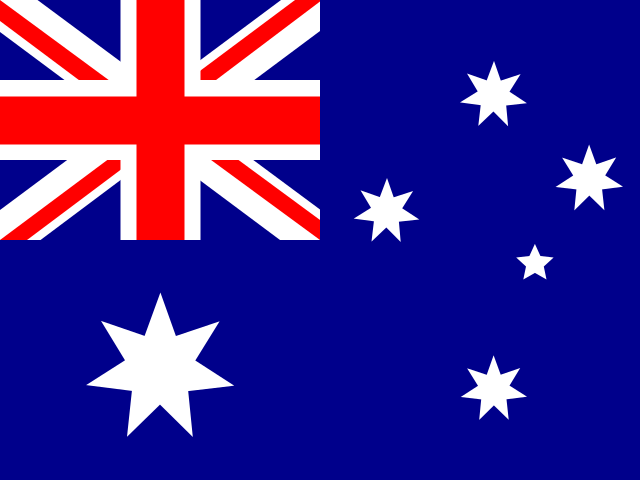
Flying flags on public holidays in Australia
Published Written by Flagpole Guides
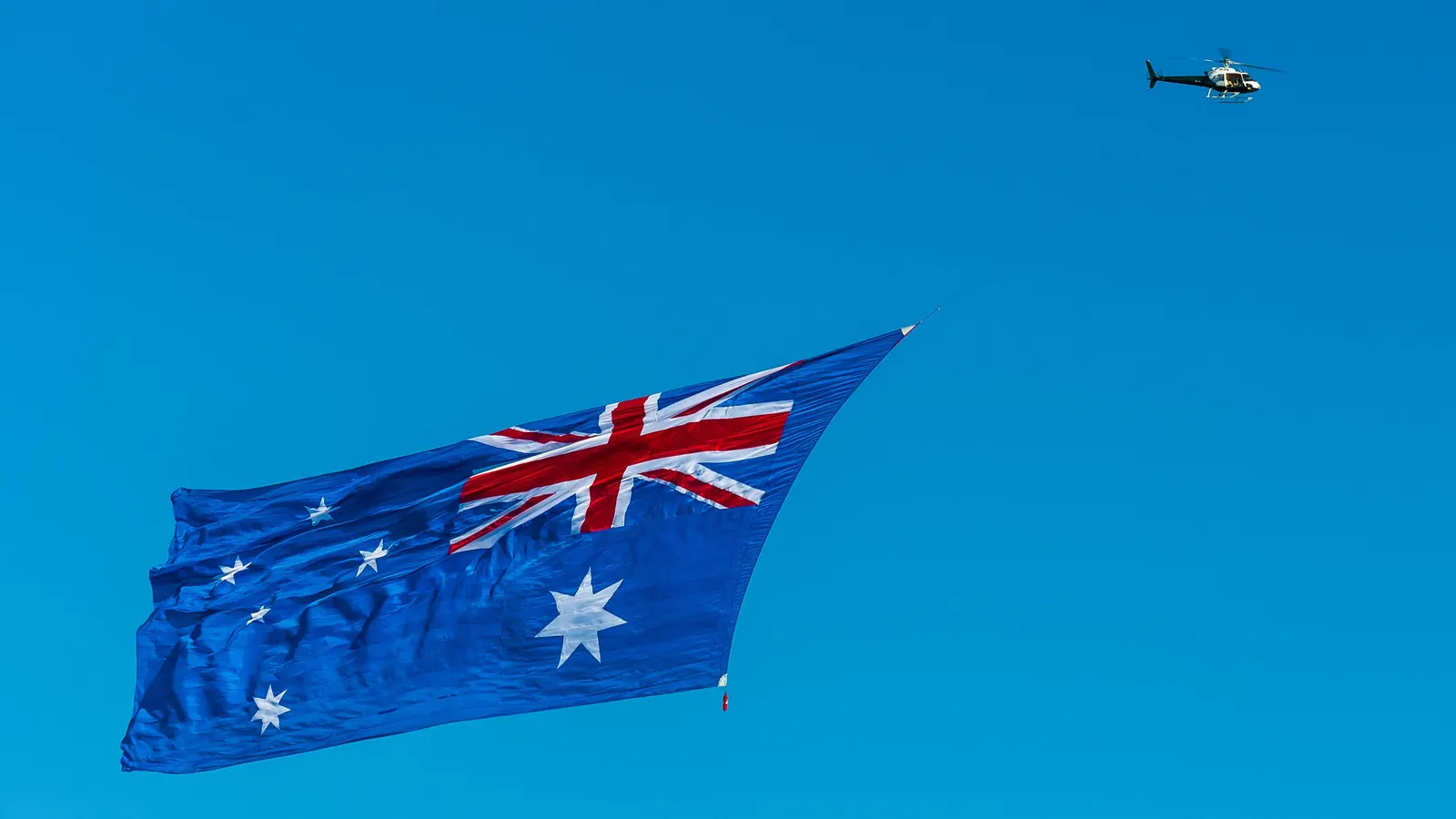
Public holidays are the days on which most flags go up in Australia. The booklet Australian Flags from the Department of the Prime Minister and Cabinet (PM&C) states that all organisations and individuals are encouraged to fly the Australian National Flag on public holidays. Which days are public holidays depends on where in Australia the flag flies: according to the Fair Work Ombudsman, each state and territory sets its own public holidays, and some add or substitute a day when a holiday falls on a weekend.
National public holidays
These days are public holidays in every state and territory in 2026, according to the Fair Work Ombudsman:
| Holiday | Date in 2026 | Flags |
|---|---|---|
| New Year’s Day | 1 January | Also the anniversary of the establishment of the Commonwealth, a special day for flying flags |
| Australia Day | 26 January | Australian National Flag all day |
| Good Friday and Easter Monday | 3 and 6 April | Encouraged on public holidays |
| Anzac Day | 25 April | Half-mast from dawn until noon, then at the peak |
| The King’s Birthday | 8 June (5 October in Queensland, 28 September in Western Australia) | Australian National Flag |
| Christmas Day | 25 December | Encouraged on public holidays |
Boxing Day is a holiday in every state and territory as well; in South Australia it is the Proclamation Day holiday.
Australia Day
Australia Day on 26 January is the most widely celebrated flag day. The Commonwealth Flag Network notice for 2026 asked Australian Government departments to fly or display the Australian National Flag all day, and other organisations were welcome to participate. The notice described the day as an opportunity to reflect on Australia’s complete and complex history and to respect and celebrate Aboriginal and Torres Strait Islander peoples’ survival, resilience and continuous culture.
Anzac Day
Anzac Day on 25 April is a public holiday and a day of national commemoration. The flag is flown at half-mast from dawn until noon and then raised to the peak. Some states add a public holiday on the following Monday when Anzac Day falls on a weekend, as the ACT, New South Wales and Western Australia did in 2026. The procedure is in the guide to half-mast.
State and territory holidays
Many holidays apply in one state or territory only, for example:
- Canberra Day and Reconciliation Day in the Australian Capital Territory
- Western Australia Day in Western Australia
- Labour Day or Eight Hours Day, on different dates in different states
- Picnic Day in the Northern Territory
- the Melbourne Cup and the Friday before the AFL Grand Final in Victoria
- the Royal Queensland Show in the Brisbane area and the Royal Hobart Regatta in parts of Tasmania.
On these days, the state flag is often flown beside the Australian National Flag. The order of the flags is in the guide to flag protocol.
Days that are not public holidays
Several days on which flags are flown are not public holidays: Australian National Flag Day on 3 September, Australian Citizenship Day on 17 September, United Nations Day on 24 October and Remembrance Day on 11 November. National Reconciliation Week from 27 May to 3 June and NAIDOC Week in early July are marked with the Australian Aboriginal Flag and the Torres Strait Islander Flag. The full list, with dates for 2026 and 2027, is in the guide to flag days.
Schools and other occasions
Some organisations have their own rules. In Victoria, for example, government schools that are open fly the Australian National Flag on 3 September and on Remembrance Day, according to the state’s Department of Education, and may display commemorative flags such as those for Harmony Day or the Torres Strait Islanders’ Coming of the Light on 1 July on additional flagpoles. Clubs, businesses and families also fly flags for local events, sporting finals and birthdays. The PM&C protocol applies to these flags too: the Australian National Flag takes precedence, and flags are flown by day unless they are lit. More in the guides to flag flying rules and flag lighting.
Frequently asked questions
Is the flag flown on public holidays in Australia?
According to the Australian Flags booklet, all organisations and individuals are encouraged to fly the Australian National Flag on public holidays. There is no obligation for private households.
Are public holidays the same across Australia?
No. According to the Fair Work Ombudsman, each state and territory sets its own public holidays. New Year’s Day, Australia Day, Good Friday, Easter Monday, Anzac Day and Christmas Day are holidays everywhere, while days such as Canberra Day, Western Australia Day, Reconciliation Day in the ACT or Picnic Day in the Northern Territory apply in one state or territory.
How is the flag flown on Anzac Day?
Anzac Day, 25 April, is both a public holiday and a day of national commemoration. According to PM&C, the flag is flown at half-mast from dawn until noon and at the peak for the rest of the day.
Which flags are flown in NAIDOC Week?
According to the Commonwealth Flag Network, the Australian Aboriginal Flag and the Torres Strait Islander Flag are flown throughout NAIDOC Week on additional flagpoles next to or near the Australian National Flag. Other organisations are encouraged to follow the same protocol.
Sources
This guide is based on the following sources:
- Australian Flags booklet – Flying the Australian National Flag on public holidays – Department of the Prime Minister and Cabinet
- Australian Flags booklet – Special days for flying flags – Department of the Prime Minister and Cabinet
- 2026 public holidays – Fair Work Ombudsman
- Flag announcement: NAIDOC Week 2026 – Department of the Prime Minister and Cabinet
- Flags and patriotic ceremonies – Flying flags – Department of Education, Victoria
Related guides
- Flag daysAll days on which flying the Australian flag is encouraged in 2026 and 2027, from Australia Day and Anzac Day to NAIDOC Week and Remembrance Day.
- Flag flying rulesThe rules for flying the Australian flag: who may fly it, hoisting times, flying at night, the dignity of the flag, disposal of old flags and commercial use.
- Flag typesThe official flags of Australia: the national flag, the red ensign, the Aboriginal and Torres Strait Islander flags, Defence ensigns and state flags.
- Flag lightingWhen the Australian flag may fly at night, how flags are lit, half-mast after dark, light spill onto neighbours and lighting near Siding Spring Observatory.