Flagpoles for businesses in Australia: company flags and the rules
Published Written by Flagpole Guides
A flagpole at a business carries more than a flag. It shows the company’s name, marks national days, welcomes international visitors and, at half-mast, joins in public mourning. For Australian businesses, the rules come from the flag protocol of the Department of the Prime Minister and Cabinet (PM&C), the rules on using the flag in trade, state planning law and work health and safety law.
Company flags beside the national flag
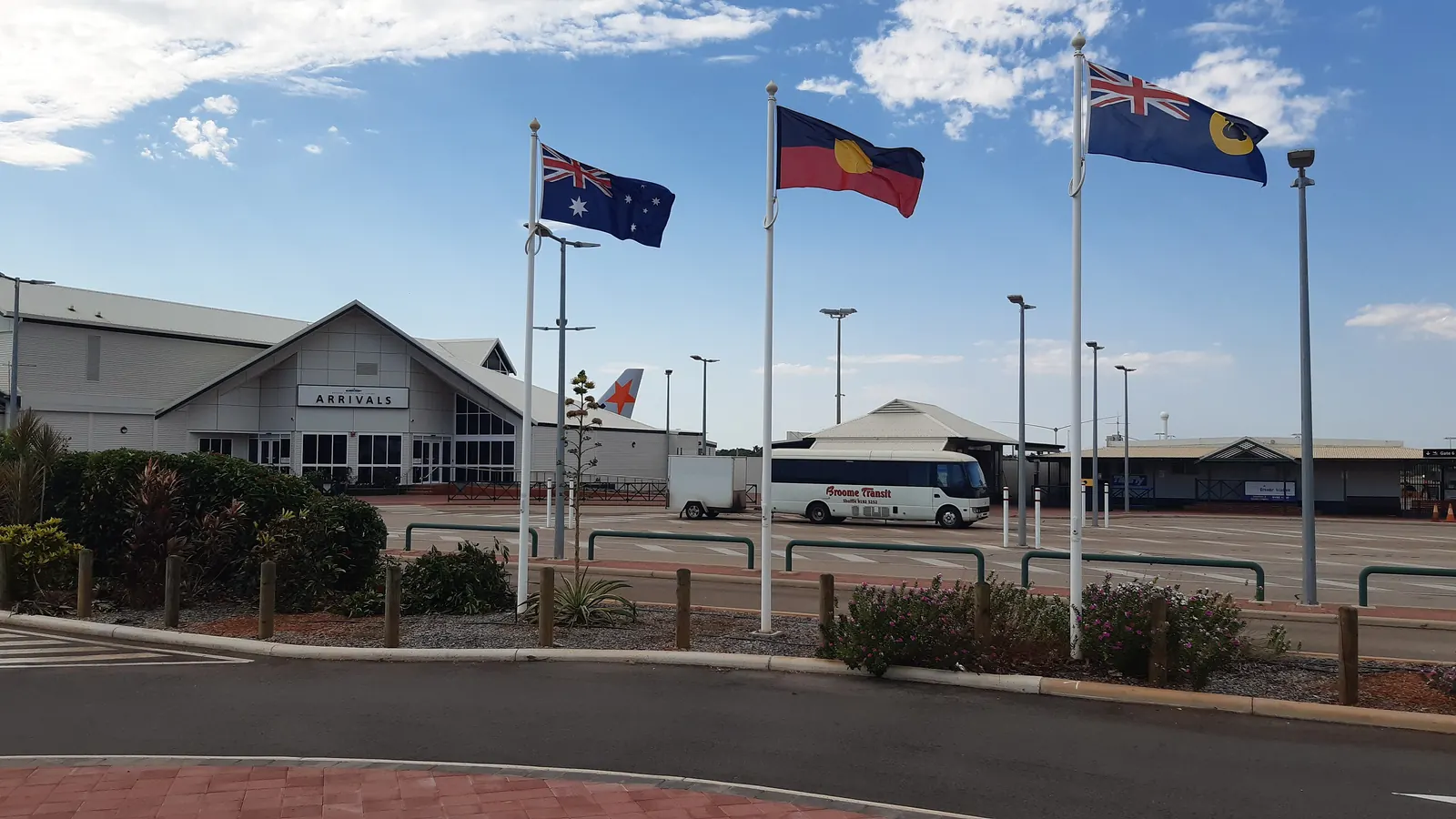
In the order of precedence in the booklet Australian Flags, house flags, corporate flags and the ensigns and pennants of non-government organisations come last, after the Australian National Flag, national flags of other nations, state and territory flags, and other flags under the Flags Act. In a line of flagpoles, the Australian flag flies on the far left of a person facing the building, followed by the others in order. According to the booklet, a house flag or club pennant is never flown above a national flag, except on a flagpole with a gaff. On a pole with a yardarm, the Australian flag flies at the top and the house flag on the right-hand arm, as seen from the front. More in the guide to flag protocol.
Several flagpoles
A business with several poles often flies the Australian flag, the state flag and the company flag. When the Australian flag is flown with flags of other nations, for example for visiting delegations, all flags are, if possible, the same size and on poles of the same height. The Aboriginal and Torres Strait Islander flags may be flown at any time; during NAIDOC Week and National Reconciliation Week, the Commonwealth Flag Network encourages organisations to fly them beside the national flag. More in the guide to foreign flags in Australia.
The flag in advertising and products
According to PM&C, the Australian National Flag may be used for commercial purposes, including advertising, without formal permission, subject to guidelines:
- the flag is used in a dignified manner and reproduced completely and accurately
- it is not covered with other words, illustrations or objects
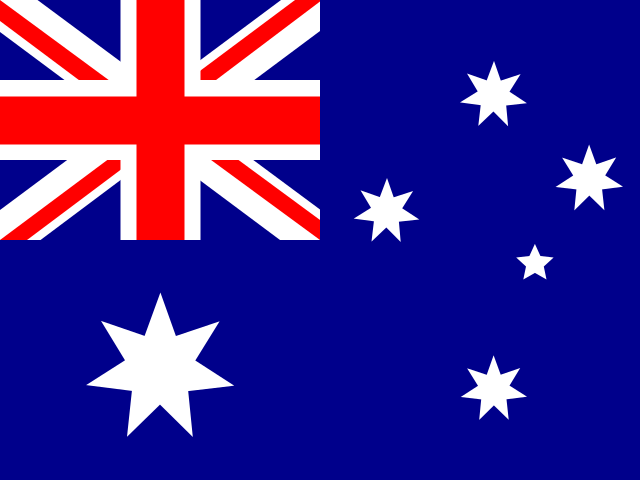
- all its symbolic parts, the Union Jack, the Southern Cross and the Commonwealth Star, can be identified.
There are three exceptions where permission or approval matters:
- Imports: items bearing an image of the flag are restricted imports under the Customs (Prohibited Imports) Regulations 1956, and the importer gets PM&C’s approval of the design before importing them.
- Trade marks: a trade mark containing the flag may be rejected under section 39 of the Trade Marks Act 1995 if it does not follow the guidelines.
- Designs: a design that is the flag itself cannot be registered, under section 43 of the Designs Act 2003.
The Aboriginal flag is subject to copyright held by the Commonwealth. According to PM&C, it is made on flags, pennants, banners and bunting under an exclusive licence, and it may be reproduced freely on other media.
Permits and advertising
A company flag used to advertise the business can bring in signage rules. In New South Wales, a free-standing flagpole is only exempt development if the flag flown from it is no larger than 2.5 square metres and not used for advertising, among other conditions. An advertising flag or a taller pole needs an assessment, which the council can explain. The height limits in each state are in the guide to flagpole heights.
Lighting
Businesses often light their flags so that they can fly around the clock. According to PM&C, the flag may only be flown at night when it is illuminated. Floodlights that spill into neighbouring properties can cause light nuisance. More in the guide to flag lighting.
Work health and safety
A flagpole at a business is part of the workplace. Under the model Work Health and Safety laws, a person conducting a business or undertaking ensures, so far as is reasonably practicable, the health and safety of workers and others, including those who raise the flag and those who maintain the pole. According to Safe Work Australia, work at height is done from the ground or a solid construction where possible, and construction work with a risk of falling more than 2 metres is high risk construction work. More in the guide to flagpole safety.
Flag marshals and the Flag Network
Many organisations appoint a flag marshal who raises, lowers and half-masts the flags. The Commonwealth Flag Network, a free email service run by PM&C, notifies subscribers of special days, such as Anzac Day and NAIDOC Week, and of occasions when flags fly at half-mast. The notices are addressed to Australian Government buildings, and other organisations are encouraged or welcome to follow them.
Frequently asked questions
Can a business fly its own flag beside the Australian flag?
Yes. According to the Australian Flags booklet, house flags and corporate flags come last in the order of precedence, after the Australian National Flag and any national, state and other official flags. The Australian flag flies on the far left of a person facing the building, and a house flag is never flown above a national flag, except on a pole with a gaff.
Can a business use the Australian flag in its advertising?
Yes, without formal permission, according to PM&C, as long as the flag is used in a dignified manner, reproduced completely and accurately, not defaced or covered, and all its parts can be identified. Trade marks consisting of the flag itself cannot be registered, and trade marks containing it are assessed against the guidelines.
Does a flagpole with a company flag need approval?
It can. In New South Wales, a flagpole is only exempt development if the flag is not used for advertising, among other conditions. A flag used as an advertisement falls under the rules for signage, which the council can explain.
Can a business import goods with the Australian flag on them?
Only with approval. According to PM&C, items bearing an image of the flag, such as souvenirs, clothing and toys, are restricted imports under the Customs (Prohibited Imports) Regulations 1956, and the importer gets PM&C’s approval of the design before importing them.
Who looks after the flag at a business?
Many organisations have a flag marshal. The Commonwealth Flag Network, a free email service of PM&C, notifies registered flag marshals and other subscribers of special days and half-mast occasions.
Sources
This guide is based on the following sources:
- Australian Flags booklet – Flying the Australian National Flag with state and other flags – Department of the Prime Minister and Cabinet
- Australian Flags booklet – Order of precedence – Department of the Prime Minister and Cabinet
- Use of the Australian National Flag and other official flags – Department of the Prime Minister and Cabinet
- Commonwealth Flag Network – Department of the Prime Minister and Cabinet
- State Environmental Planning Policy (Exempt and Complying Development Codes) 2008, clause 2.40 – NSW Legislation
- Working at heights – Safe Work Australia
- Australian Flags booklet – Flags of Australia’s Indigenous Peoples – Department of the Prime Minister and Cabinet
Related guides
- Foreign flags in AustraliaFlying the flag of another nation in Australia: position beside the Australian flag, the order of several national flags, half-mast and diplomatic practice.
- Flag lightingWhen the Australian flag may fly at night, how flags are lit, half-mast after dark, light spill onto neighbours and lighting near Siding Spring Observatory.
- Flag protocolThe order of precedence for flags in Australia and where each flag flies: with state flags, the Aboriginal and Torres Strait Islander flags, and on yardarms.
- Flagpole safetyFlagpole safety in Australia: wind regions and cyclones, overhead power lines, underground services, work at height, WHS duties and vandal-resistant halyards.