
Flagpole maintenance: care, checks and flag care in Australia
Published Written by Flagpole Guides
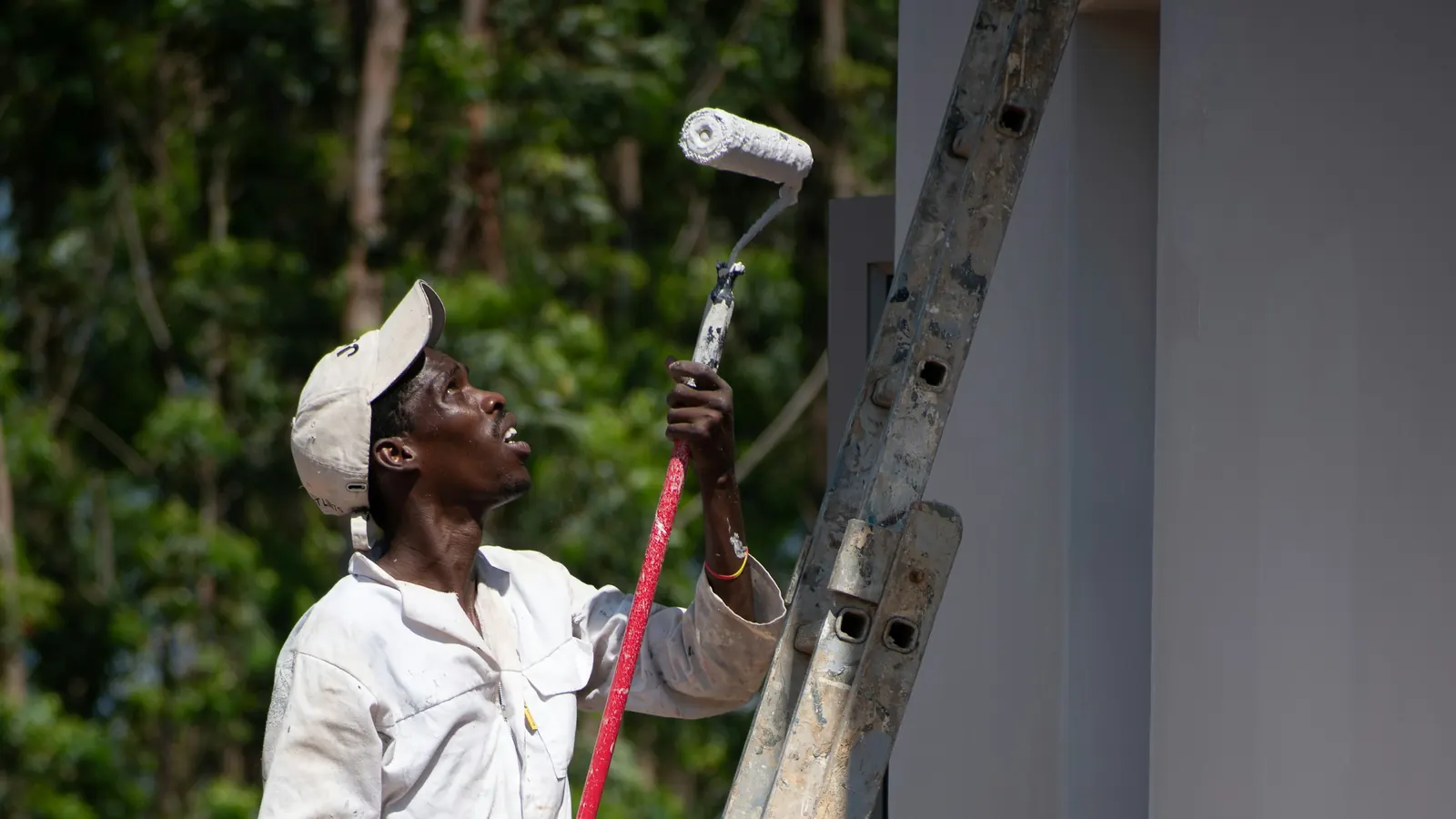
A flagpole needs little upkeep, but it does need some. Australian conditions set the pace: strong sun wears halyards and flags, salt air attacks metal near the coast, and storms and cyclones test the base and the fittings. Most problems start small, with a fraying rope or a stiff pulley, and are easy to spot with regular checks. This guide describes what is usually checked and how flags are cared for.
What is usually checked
| Part | What checks usually cover |
|---|---|
| Halyard | Fraying, stiffness and sun damage; a worn halyard can break with the flag at the top |
| Clips or toggles | Wear, cracks and whether they close properly |
| Truck and pulley | Whether the pulley turns freely and the halyard runs smoothly |
| Finial | Whether it is firmly seated |
| Pole | Dents, cracks, damage to the finish and corrosion, especially at the base |
| Base and footing | Loose bolts on a base plate, cracks in the concrete, movement at the sleeve |
| Hinge | That it moves freely and locks securely |
| Internal halyard door | That the lock works and the counterweight moves freely |
Checks after storms and strong winds are part of the routine, especially in the cyclone regions of the north.
The pole and its finish

Aluminium poles are mostly anodised or powder-coated, according to the Victorian Department of Education. A damaged coating exposes the metal, and near the coast salt speeds up corrosion of the pole and its steel fittings. Rinsing off salt and dirt keeps the surface in better condition. Timber poles, which the Victorian guidance mentions for heritage sites, need painting or oiling and checks for rot where the pole meets the ground. The materials are compared in the guide to flagpole materials.
Halyard and fittings
The halyard wears faster than the pole. Strong sun makes synthetic rope brittle, and a rope that slaps against the pole in the wind wears at the contact points. Replacing a halyard before it breaks is much easier than retrieving a rope from the top of a pole. On a hinged pole, the work can be done on the ground; on a fixed pole it is work at height, and Safe Work Australia states that work is done from the ground or a solid construction where possible. More in the guide to flagpole safety.
Caring for the flag
The Australian flag maker Evan Evans gives the following advice on flag care:
- Sun and wind: high winds, storms and prolonged UV are the biggest threats to a flag’s life, and the flag is removed during severe weather where possible.
- Daylight only: flags flown during daylight hours only usually last longer.
- Washing: gently, in cold water with mild soap, without bleach or harsh detergents.
- Drying: a flag is allowed to dry fully before it is folded or stored in a cool, dry place, as moisture causes mould and mildew.
- Rotation: using two flags in turn can extend their life, especially where flags fly every day.
Folding and storing
The booklet Australian Flags from the Department of the Prime Minister and Cabinet (PM&C) describes how the flag is folded: lengthwise twice, then the ends brought together, then folded concertina-style towards the hoist edge, and the bundle kept together by winding the halyard around it. According to PM&C, the flag is not allowed to fall or lie on the ground.
When the flag is worn out
According to PM&C, the flag should never be flown when it is damaged, faded or dilapidated. When it is no longer suitable, it can be kept in permanent storage or destroyed privately and in a dignified way, for example by cutting it into small unrecognisable pieces and putting them in a sealed bag in the normal rubbish collection. PM&C also describes an optional flag retirement ceremony. Evan Evans offers a recycling program for used flags. How long flags and poles last is covered in the guide to flagpole lifespan, and common faults in the guide to flagpole repair.
Frequently asked questions
How often does a flagpole need maintenance?
There is no fixed interval. A simple check of the halyard, clips, pulley and base a few times a year, and after storms, finds most problems early. Poles near the coast and in cyclone regions are exposed to more wear than sheltered ones.
How is a flag washed?
According to the Australian flag maker Evan Evans, a flag is washed gently in cold water with mild soap, without bleach or harsh detergents, and allowed to dry fully before it is folded or stored in a cool, dry place, as moisture can cause mould and mildew.
When is a flag worn out?
According to PM&C, a flag should not be flown when it is damaged, faded or dilapidated. It can then be placed in permanent storage or destroyed privately and in a dignified way, for example cut into small unrecognisable pieces in a sealed bag in the normal rubbish collection.
How is the flag folded?
The Australian Flags booklet describes folding the flag lengthwise twice, bringing the ends together, folding it concertina-style towards the hoist edge and keeping the bundle together by winding the halyard around it.
Sources
This guide is based on the following sources:
- Australian Flags booklet – Dignity of the flag – Department of the Prime Minister and Cabinet
- Australian Flags booklet – Flag folding – Department of the Prime Minister and Cabinet
- Australian National Flag protocols – Department of the Prime Minister and Cabinet
- Flag care and etiquette – Evan Evans
- Flags and patriotic ceremonies – Flagpoles – Department of Education, Victoria
- Working at heights – Safe Work Australia
Related guides
- Flagpole repairCommon flagpole faults in Australia and their causes: broken or stuck halyards, seized pulleys, wrapped flags, corrosion, loose bases and storm damage.
- Lifespan and sustainabilityHow long flagpoles and flags last in Australian sun, wind and salt air, what shortens their life, rotating flags, and how old flags and poles are disposed of.
- Flagpole accessoriesThe parts of a flagpole explained: truck and pulley, finial, halyard, clips, cleat, internal halyard hatch, yardarm, base and lighting, as used in Australia.
- Flagpole safetyFlagpole safety in Australia: wind regions and cyclones, overhead power lines, underground services, work at height, WHS duties and vandal-resistant halyards.