
Flagpole safety in Australia: wind, cyclones, power lines and heights
Published Written by Flagpole Guides
A flagpole is a tall, slender structure that stands in the open and catches the wind, often for decades. Most of the risks come from four things: wind, power lines, work at height and wear on the pole and its fittings. In Australia, the rules come from the building codes, the work health and safety laws, and the guidance of bodies such as Safe Work Australia and Before You Dig Australia.
Wind and cyclones
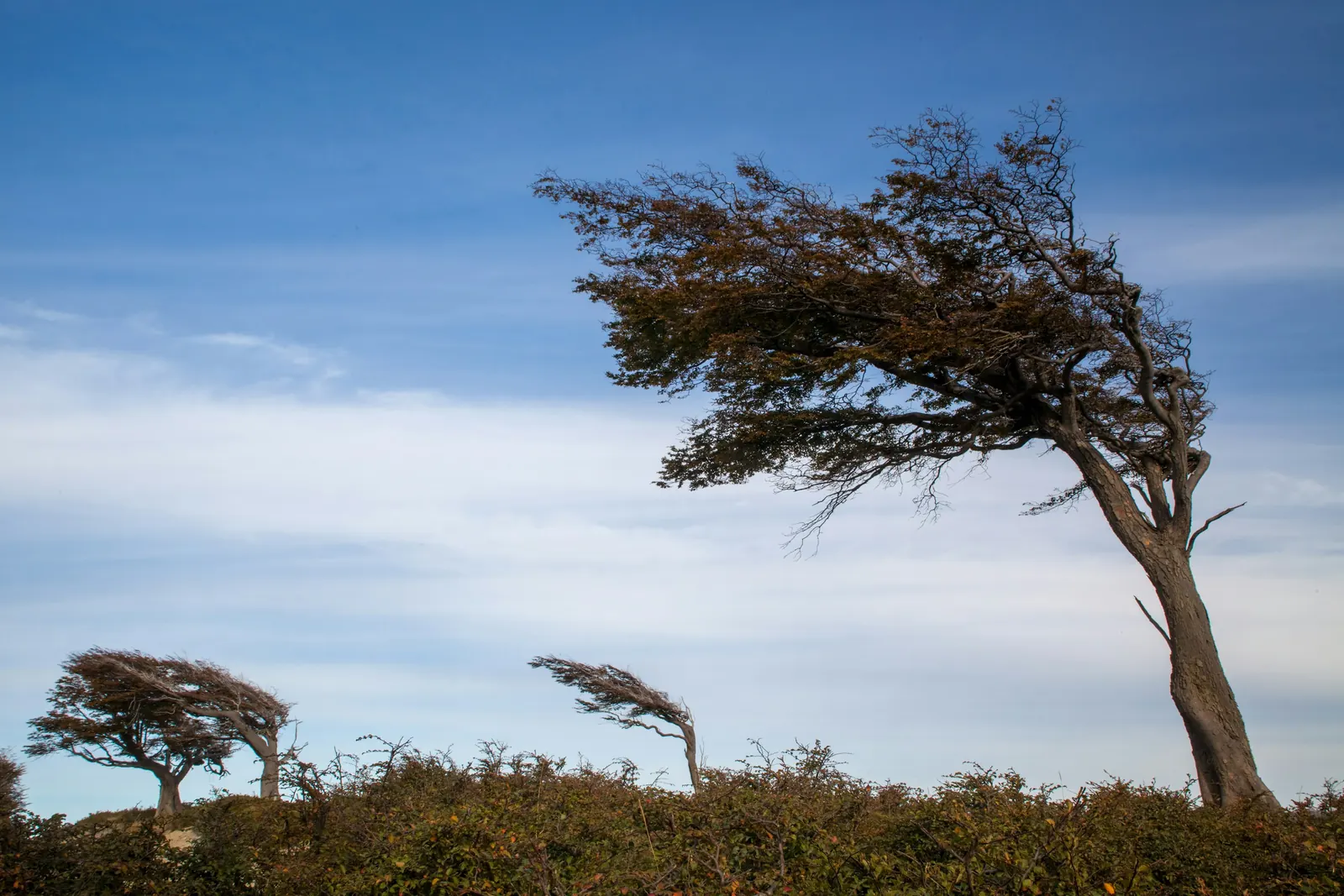
The loads on a flagpole grow with its height and the size of the flag. The wind standard AS/NZS 1170.2 divides Australia into wind regions, and the northern coasts are exposed to tropical cyclones. According to the Queensland Reconstruction Authority, coastal areas north of Bundaberg are in Wind Region C, where homes are designed to resist a cyclone with winds of 250 km/h, classified by the Bureau of Meteorology as mid-category four. The building rules reflect this: in Western Australia, the exemption from a building permit for small masts does not apply in wind regions C and D.
For the flag itself, the Australian flag maker Evan Evans describes high winds, storms and prolonged UV as the biggest threats to its life and describes removing it during severe weather where possible. A flag larger than the pole is designed for adds load; many manufacturers state a maximum flag size.
Overhead power lines
A flagpole that is lifted into place, lowered on a hinge or blown over can reach an overhead line. Before You Dig Australia (BYDA) offers the Look Up and Live tool, which shows overhead power lines and minimum safe approach distances. In Victoria, the Department of Education notes that the Electricity Safety (General) Regulations 2019 set minimum distances to aerial lines and suggests consulting the electricity supplier when a flagpole is to be built near overhead power lines. Poles of any material are a hazard near lines.
Underground services
Digging a footing can damage cables and pipes. BYDA’s free service provides plans of underground utilities, and according to BYDA, any project, including work on private property, can damage assets and lead to service interruptions, injury or death. More in the guide to installing a flagpole.
Work at height
Replacing a halyard, freeing a stuck flag or servicing the truck at the top of a pole is work at height. According to Safe Work Australia:
- where possible, work is carried out on the ground or from a solid construction
- if that is not possible, a fall prevention device such as a scaffold or an elevating work platform is used, then a work positioning system, then a fall arrest system
- construction work with a risk of falling more than 2 metres is high risk construction work, which requires a Safe Work Method Statement.
Ladders are mainly a means of access, and many falls happen from them. A hinged base that allows the pole to be lowered to the ground avoids most work at height. How hinges work is explained in the guide to how a flagpole works.
Duties at workplaces
At schools, councils, clubs and businesses, the flagpole is part of the workplace. Under the model Work Health and Safety laws, a person conducting a business or undertaking must, so far as is reasonably practicable, ensure the health and safety of workers and others at the workplace, including those who raise and lower the flag. The Victorian Department of Education, for example, asks for an internal halyard with a lockable hatch at school flagpoles, to reduce vandalism and for safety, and aims for a flagpole that is child safe and can withstand extreme weather. More in the guide to flagpoles for businesses.
Wear and inspection

Corrosion at the base, loose bolts on a base plate, a worn halyard or a cracked pulley can turn a sound pole into a hazard. Regular checks after storms and in spring and autumn are part of the upkeep described in the guide to flagpole maintenance.
Frequently asked questions
Should a flag be taken down in strong wind?
High winds and storms are among the biggest threats to a flag’s life, according to the Australian flag maker Evan Evans, which describes removing the flag during severe weather where possible. A flag in strong wind also puts extra load on the pole and fittings.
What are wind regions?
The wind standard AS/NZS 1170.2 divides Australia into wind regions. According to the Queensland Reconstruction Authority, coastal areas north of Bundaberg are in Wind Region C, where homes are designed for cyclone winds of 250 km/h. Western Australia’s exemption from a building permit for small masts does not apply in wind regions C and D.
Who is responsible for a flagpole at a workplace?
Under the model Work Health and Safety laws, a person conducting a business or undertaking must, so far as is reasonably practicable, ensure the health and safety of workers and others at the workplace. Safe Work Australia states that work is done on the ground or from a solid construction where possible.
Is work on a flagpole high risk construction work?
According to Safe Work Australia, construction work with a risk of falling more than 2 metres is high risk construction work, for which a Safe Work Method Statement is prepared. Installing or repairing a tall flagpole at height can fall into this category.
Sources
This guide is based on the following sources:
- Working at heights – Safe Work Australia
- Model Code of Practice: Managing the risk of falls at workplaces – Safe Work Australia
- Before You Dig – How it works – Before You Dig Australia
- Cyclone Resilient Building Guidance for Queensland Homes – Queensland Reconstruction Authority
- Building Regulations 2012, Schedule 4 – Western Australian Legislation
- Flags and patriotic ceremonies – Flagpoles – Department of Education, Victoria
- Flagpoles at Victorian government schools – building professionals factsheet – Department of Education, Victoria
- Flag care and etiquette – Evan Evans
Related guides
- Installing a flagpoleInstalling a flagpole in Australia: when a permit is needed in each state, boundary setbacks, heritage, footings, underground services and power lines.
- Flagpole maintenanceFlagpole and flag maintenance in Australian conditions: checking the pole, base and halyard, sun and salt air, washing, drying and storing flags, and old flags.
- How a flagpole worksHow a flagpole works: the halyard and pulley, internal and external halyards, raising briskly and lowering with dignity, gaffs and the hinged base.
- Flagpoles for businessesFlagpoles for Australian businesses: company flags beside the national flag, using the flag in advertising, imports and trade marks, permits and WHS duties.