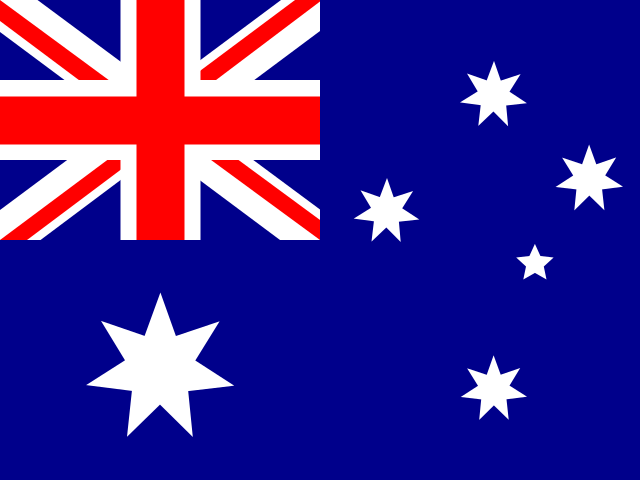
Australian flag protocol: order of precedence and positions
Published Written by Flagpole Guides
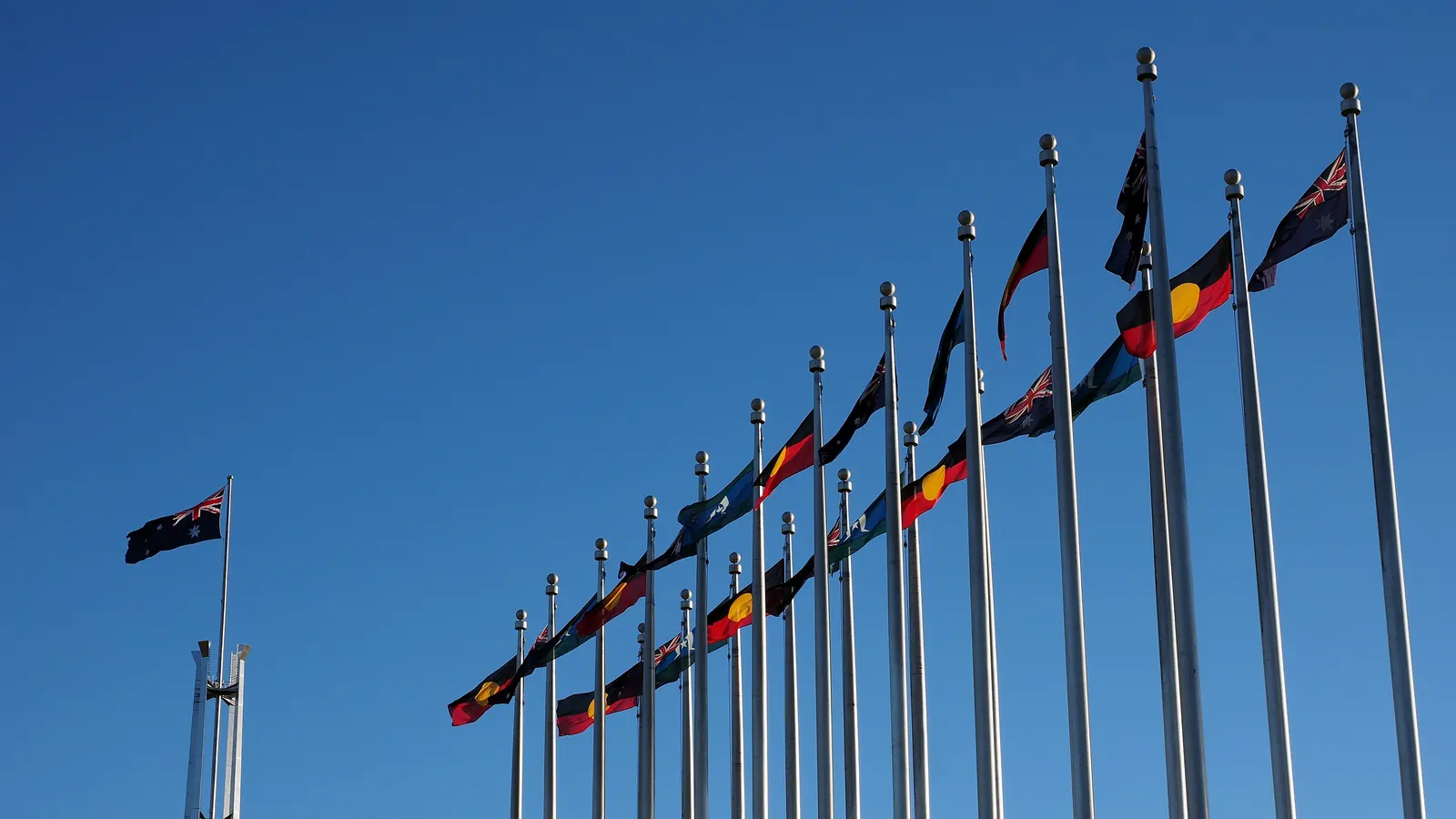
When several flags fly together, the booklet Australian Flags from the Department of the Prime Minister and Cabinet (PM&C) sets out which flag goes where. The basic rule is that the Australian National Flag takes precedence over all other flags in Australia. It is not flown in a position inferior to any other flag, and it is not smaller than any other flag. According to the booklet, the superior position is decided by the formation of the flagpoles, not by the height of the flag on its pole.
The order of precedence
When flown in the community, the order is:
- The Australian National Flag
- National flags of other nations
- State and territory flags
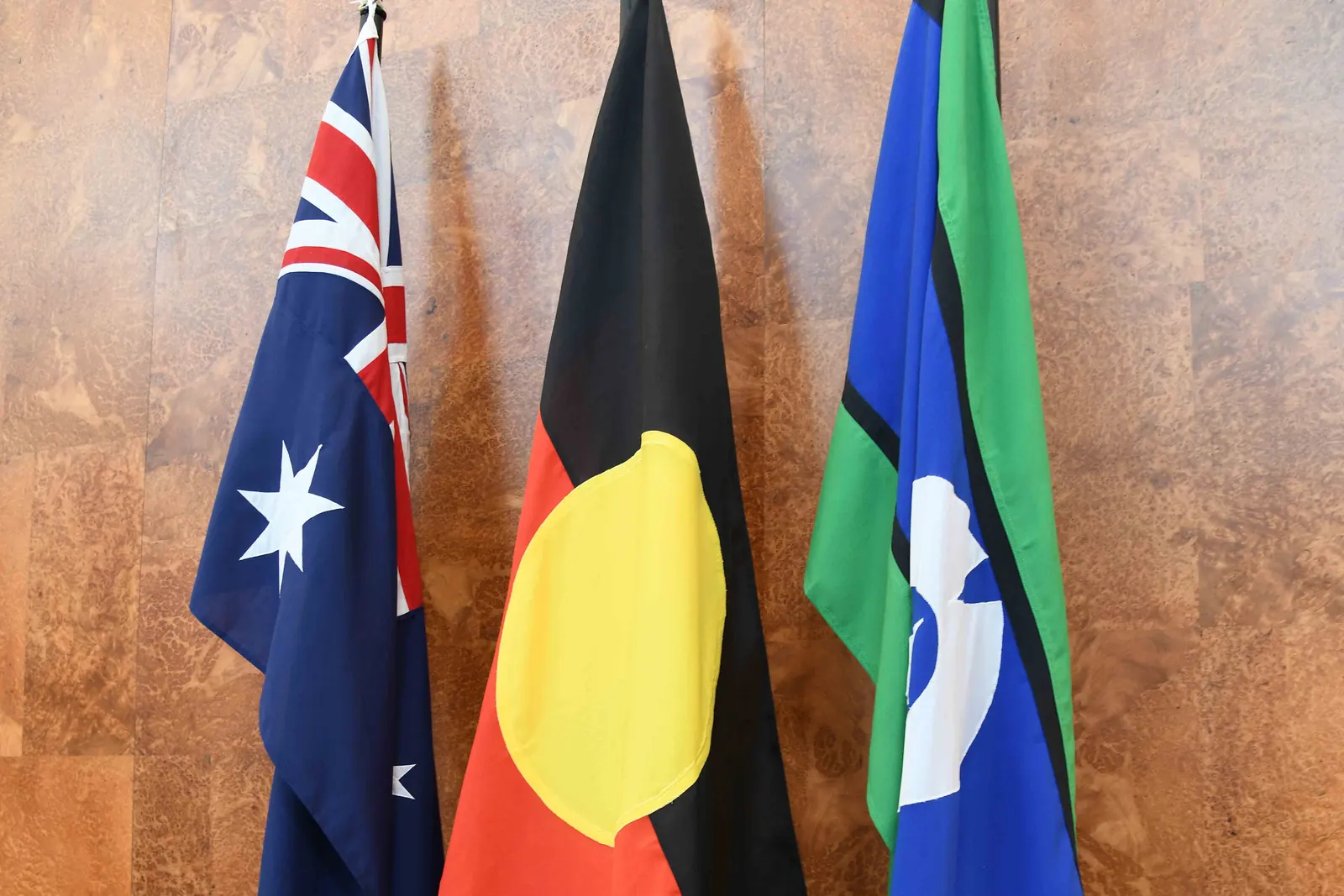
- Other flags prescribed under the Flags Act 1953: the Australian Aboriginal Flag and the Torres Strait Islander Flag, in either order, and the Defence ensigns in the order Australian Defence Force ensign, Australian white ensign, Royal Australian Air Force ensign
- Ensigns and pennants of local government, Commonwealth, state and territory agencies, and non-government organisations.
The booklet allows two variations. On military occasions or establishments, the Defence ensigns and military pennants may follow the national flag ahead of other flags. On Commonwealth occasions and Aboriginal or Torres Strait Islander occasions for their peoples, the Aboriginal Flag or the Torres Strait Islander Flag may follow the national flag ahead of other flags. A flag in the list does not have to be flown in company with the others; when a flag higher in the order is absent, the next flag moves up.
The order of the state flags
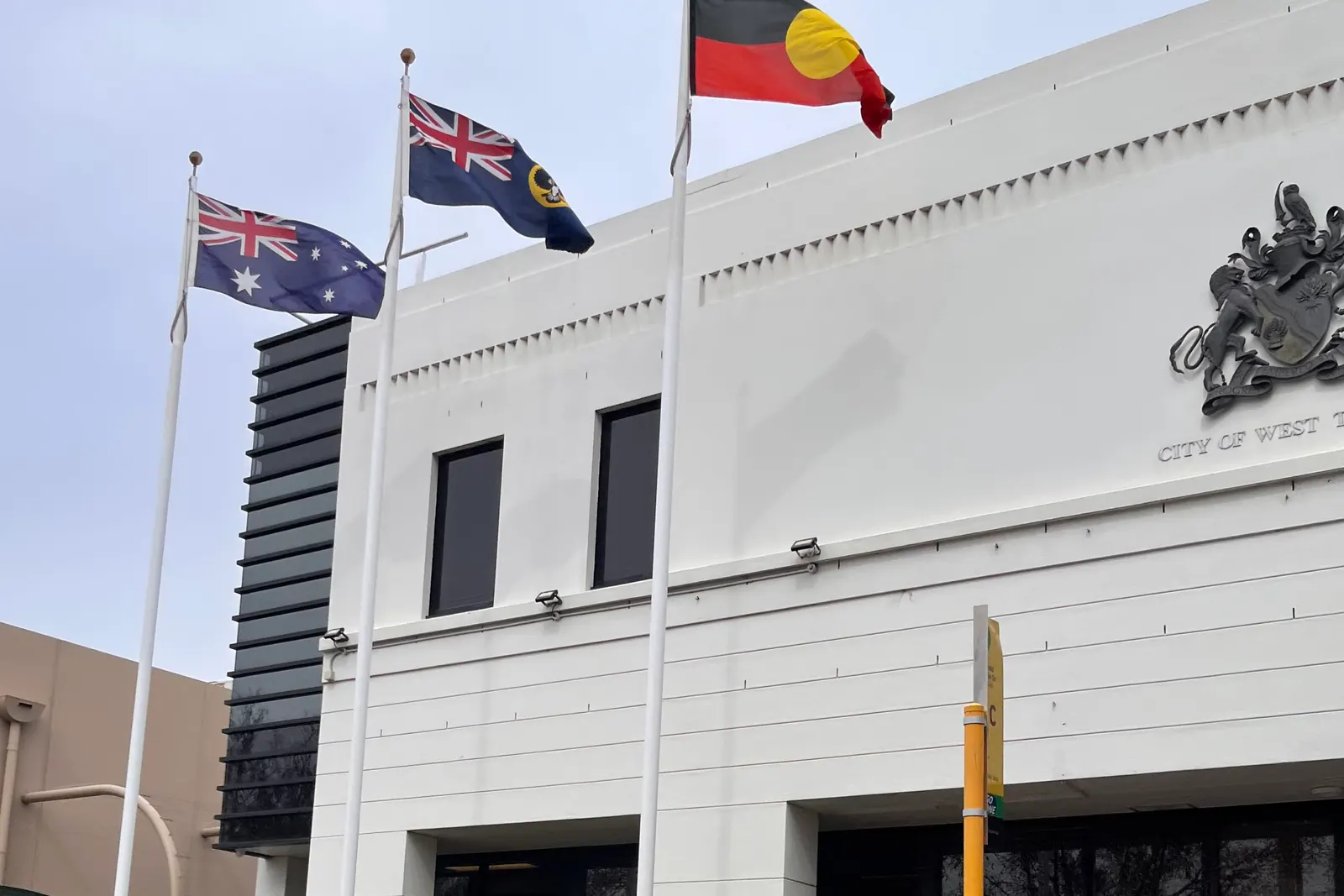
The state flags follow the order in which the state badges appear on the Commonwealth Coat of Arms: New South Wales, Victoria, Queensland, South Australia, Western Australia, Tasmania, followed by the Australian Capital Territory and the Northern Territory in alphabetical order.
A line of flagpoles
According to the booklet, the Australian National Flag is flown on the far left of a person facing the building, and the other flags follow in order of precedence. An example from the booklet: with the national flag, a state flag, the Aboriginal flag and a local government flag, the order from the left is the national flag, the state flag, the Aboriginal flag and the local government flag.
- Two national flags: one can fly at each end of the line.
- One higher pole: the national flag flies on it; on a stand where the centre pole is highest, the national flag is in the centre, with the Aboriginal and Torres Strait Islander flags on either side.
- Rows at right angles to a building: the national flag flies on the far left pole nearest the kerb.
- A double row without a focal point: national flags fly on the diagonal corners.
- House flags and club pennants are never flown above a national flag, except on a pole with a gaff.
The national flag alone
When the Australian National Flag is flown alone at a building with two flagpoles, it flies on the pole to the left of a person facing the building. With more than two poles, it flies in the centre or as near to it as possible.
Yardarms and gaffs
On a flagpole with a yardarm, flown with a state flag and a house flag, the national flag flies from the top of the pole, the state flag on the left arm and the house flag on the right arm, as seen from the front. With another national flag, the Australian flag is on the left of the yardarm and the other nation’s flag on the right. On a pole with a gaff, the peak of the gaff is the position of honour, even though a flag there is lower than one at the masthead; the next positions are the masthead, then the left and the right of the yardarm. Nautical flagpoles are described in the guide to types of flagpoles.
Processions and ceremonies
In a single file of flags, the Australian National Flag always leads. In a line carried abreast, it is preferable to have a national flag at each end; with only one, it is in the centre of an odd-numbered line, or at the left end as seen by a viewer facing the bearers. The national flag is not lowered as a salute, even when other flags are. When the flag is raised, lowered or carried past, those present face it and are silent, and those in uniform salute.
Schools and state practice
State authorities apply the same order. In Victoria, for example, government schools with one flagpole fly the Australian National Flag; with two, the Australian and Victorian flags; and with three or more, the Australian, Victorian, Aboriginal and Torres Strait Islander flags, with the last two interchangeable, according to the state’s Department of Education.
Flags of other nations are covered in the guide to foreign flags in Australia, mourning in the guide to flags in mourning, and company flags in the guide to flagpoles for businesses.
Frequently asked questions
What is the order of precedence for flags in Australia?
According to the Australian Flags booklet, the order is: the Australian National Flag; national flags of other nations; state and territory flags; other flags prescribed by the Flags Act 1953, such as the Aboriginal and Torres Strait Islander flags and the Defence ensigns; and finally ensigns and pennants of local government, agencies and non-government organisations.
Where does the Australian flag fly in a row of flags?
According to PM&C, the Australian National Flag flies on the far left of a person facing the building, followed by the other flags in order of precedence. If one flagpole is higher than the others, the national flag flies on that pole, and with two national flags, one can fly at each end of the line.
In which order are the Aboriginal and Torres Strait Islander flags flown?
The Australian Aboriginal Flag and the Torres Strait Islander Flag are equal in precedence and may be flown in either order, according to PM&C. They may be flown together or individually, depending on the preference of the organisation.
In which order are the state flags flown?
According to the Australian Flags booklet, the order is New South Wales, Victoria, Queensland, South Australia, Western Australia and Tasmania, the order of the state badges on the Commonwealth Coat of Arms, followed by the Australian Capital Territory and the Northern Territory in alphabetical order.
Where does the flag fly on a pole with a gaff?
According to PM&C, the Australian National Flag flies from the peak of the gaff, which is the position of honour, even though it is then lower than a flag at the masthead. The tradition comes from sailing ships, where the flag had to be kept clear of the rigging.
Sources
This guide is based on the following sources:
- Australian Flags booklet – Order of precedence – Department of the Prime Minister and Cabinet
- Australian Flags booklet – Flying the Australian National Flag with state and other flags – Department of the Prime Minister and Cabinet
- Australian Flags booklet – Flying the Australian National Flag alone – Department of the Prime Minister and Cabinet
- Australian Flags booklet – Flying the Australian National Flag on a yardarm – Department of the Prime Minister and Cabinet
- Australian Flags booklet – Flying the Australian National Flag on a flagpole with a gaff – Department of the Prime Minister and Cabinet
- Australian Flags booklet – Carrying the Australian National Flag in a procession – Department of the Prime Minister and Cabinet
- Flags and patriotic ceremonies – Flying flags – Department of Education, Victoria
Related guides
- Foreign flags in AustraliaFlying the flag of another nation in Australia: position beside the Australian flag, the order of several national flags, half-mast and diplomatic practice.
- Flags in mourningHow flags are used in mourning in Australia: the death of the Sovereign, national days of mourning, state funerals, local deaths and the flag on a coffin.
- Flag typesThe official flags of Australia: the national flag, the red ensign, the Aboriginal and Torres Strait Islander flags, Defence ensigns and state flags.
- Flagpoles for businessesFlagpoles for Australian businesses: company flags beside the national flag, using the flag in advertising, imports and trade marks, permits and WHS duties.