
Flagpole and flag lifespan in Australian conditions
Published Written by Flagpole Guides
A flagpole and the flag on it age at very different speeds. The pole can stand for decades; the flag, in Australian sun and wind, may last a few months. What decides the lifespan of both is exposure: UV, wind, salt air and how many hours a day the flag flies.
How long a flag lasts
According to the Australian flag maker Evan Evans:
- a quality flag can last around 6 to 12 months with proper care
- flags in strong sun, salt air or constant wind may need replacing closer to 3 months
- a flag left outdoors day and night in harsh conditions can fade or fray quickly, sometimes within weeks
- flags flown at extreme heights or in exposed locations may wear faster because of stronger wind.
The protocol of the Department of the Prime Minister and Cabinet (PM&C) states that the flag should never be flown when it is damaged, faded or dilapidated, so a faded flag reaches the end of its use before it wears through.
What extends a flag’s life
Evan Evans describes several ways to make a flag last longer:
- Daylight only: flags flown during daylight hours only usually last longer, and bringing a flag in at dusk helps preserve colour and stitching. The PM&C protocol also links flying at night to lighting.
- Severe weather: removing the flag during storms and high winds where possible.
- Rotation: using two flags in rotation can significantly extend their usable life, especially where flags fly every day.
- Care: washing gently and letting the flag dry fully before storing it.
A heavier fabric, such as woven polyester, and double stitching at the fly also help in exposed places. More in the guide to buying a flag.
How long a flagpole lasts
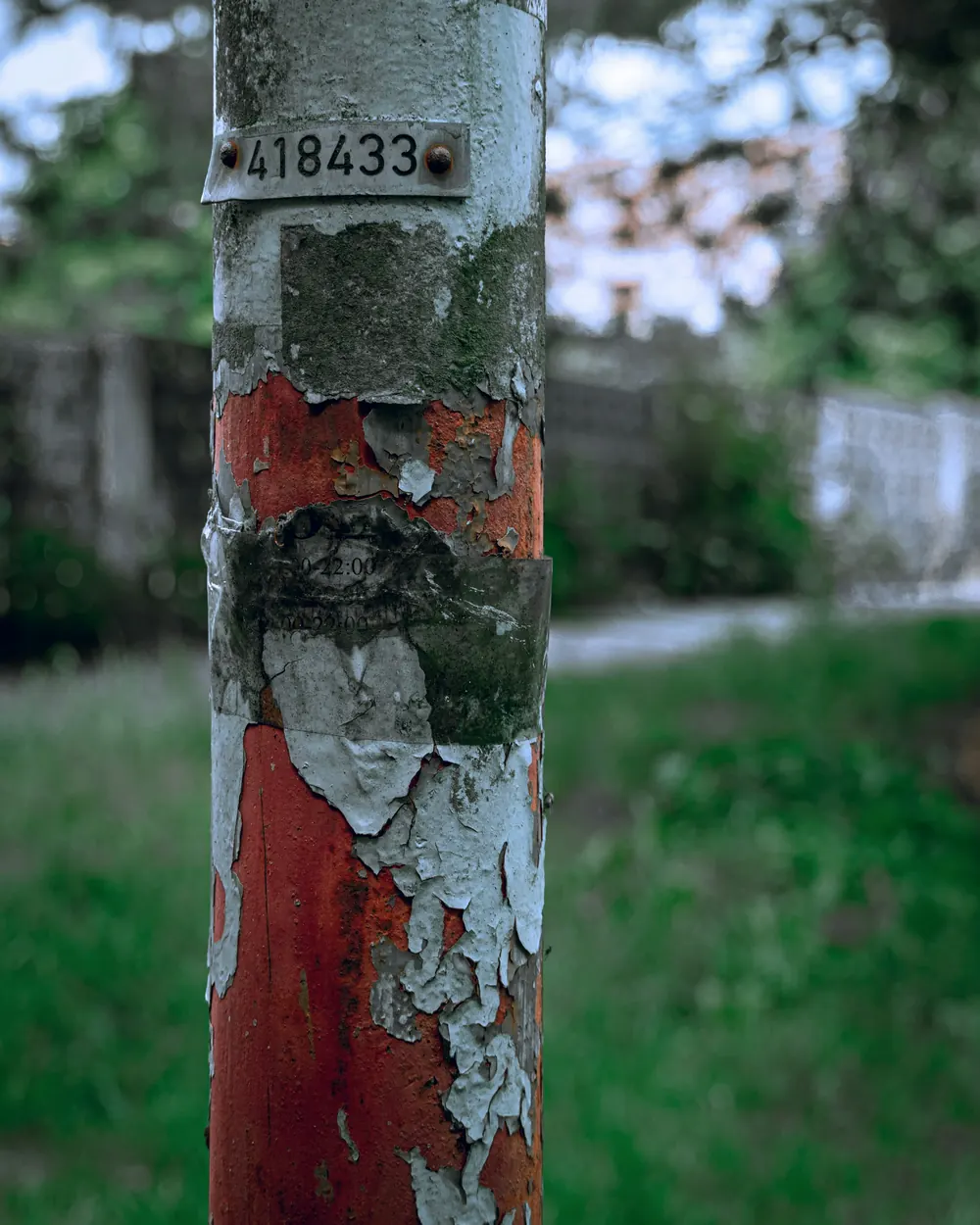
The pole itself lasts far longer. According to the Victorian Department of Education, most flagpoles are aluminium with an anodised or powder-coated finish; with its finish intact and its fittings maintained, such a pole can stand for decades. What shortens its life:
- corrosion at the base, where water and salt collect
- damage to the finish, which exposes the metal
- storms and cyclones, which can bend or crack a pole
- loose or cracked footings.
Parts such as the halyard, pulley, clips and finial wear out several times during the life of a pole and are replaced. More in the guides to flagpole maintenance and flagpole repair.
Sustainability
- A longer life: a pole that lasts, with replaceable parts, uses fewer resources than one replaced early. Aluminium can be recycled at the end of its life.
- Fewer flags: flying by day, lowering in storms and rotating two flags reduce how many flags are needed.
- Recycling flags: Evan Evans runs a recycling program for used flags and fabric banners.
Old flags
When a flag is no longer suitable for use, PM&C describes two options: keeping it in a permanent place of storage, or destroying it privately and in a dignified way, for example by cutting it into small unrecognisable pieces, placing them in a sealed bag or closed container and putting it in the normal rubbish collection. PM&C also publishes an outline of an optional flag retirement ceremony. More in the guide to flag flying rules, and a comparison of materials in the guide to flagpole materials.
Frequently asked questions
How long does a flag last outdoors in Australia?
According to the Australian flag maker Evan Evans, a quality flag can last around 6 to 12 months with proper care, but flags in strong sun, salt air or constant wind may need replacing closer to 3 months, and a flag left out day and night in harsh conditions can fade or fray within weeks.
How can a flag last longer?
According to Evan Evans, flags flown during daylight hours only usually last longer, removing the flag during severe weather helps, and using two flags in rotation can extend their overall life.
How long does a flagpole last?
Much longer than a flag. An aluminium pole with an anodised or powder-coated finish can stand for decades, while halyards, pulleys and clips are replaced along the way. Corrosion at the base, storms and damage to the finish shorten its life.
How is an old Australian flag disposed of?
According to PM&C, a flag that is no longer suitable for use can be kept in permanent storage or destroyed privately and in a dignified way, for example by cutting it into small unrecognisable pieces, placing them in a sealed bag and putting it in the normal rubbish collection.
Sources
This guide is based on the following sources:
- Flag care and etiquette – Evan Evans
- Australian National Flag protocols – Department of the Prime Minister and Cabinet
- Australian Flags booklet – Disposal of flags – Department of the Prime Minister and Cabinet
- Flags and patriotic ceremonies – Flagpoles – Department of Education, Victoria
Related guides
- Flagpole materialsFlagpole materials compared for Australian conditions: aluminium, fibreglass, steel and timber, finishes, coastal corrosion, cyclones and upkeep.
- Flagpole maintenanceFlagpole and flag maintenance in Australian conditions: checking the pole, base and halyard, sun and salt air, washing, drying and storing flags, and old flags.
- Flagpole repairCommon flagpole faults in Australia and their causes: broken or stuck halyards, seized pulleys, wrapped flags, corrosion, loose bases and storm damage.
- Flag flying rulesThe rules for flying the Australian flag: who may fly it, hoisting times, flying at night, the dignity of the flag, disposal of old flags and commercial use.