
Flagpole accessories – the parts of an Australian flagpole
Published Written by Flagpole Guides
A flagpole is more than the pole. The parts at the top, along the pole and at the base decide how smoothly the flag goes up and down, how well it stands up to wind and weather, and how much upkeep the pole needs. The glossary of the booklet Australian Flags from the Department of the Prime Minister and Cabinet (PM&C) explains the traditional names, many of which come from sailing ships.
At the top
- Finial: the ornament on top of the pole, often a ball or a spike. It protects the top of the pole and finishes it off.
- Truck: the fitting at the top with the pulley, or sheave, over which the halyard runs. On a revolving truck the whole top turns with the wind, which keeps the flag from wrapping around the pole.
- Peak: in the PM&C glossary, the tip of a gaff or flagpole; the flag is raised “to the peak” before it is lowered to half-mast.
- Masthead: the upper tip of a flag mast fitted with a yardarm or gaff.
Halyard and flag fittings
- Halyard: according to the PM&C glossary, the rope used to raise or lower a flag. According to the protocol, the flag flies as close as possible to the top with the rope tightly secured.
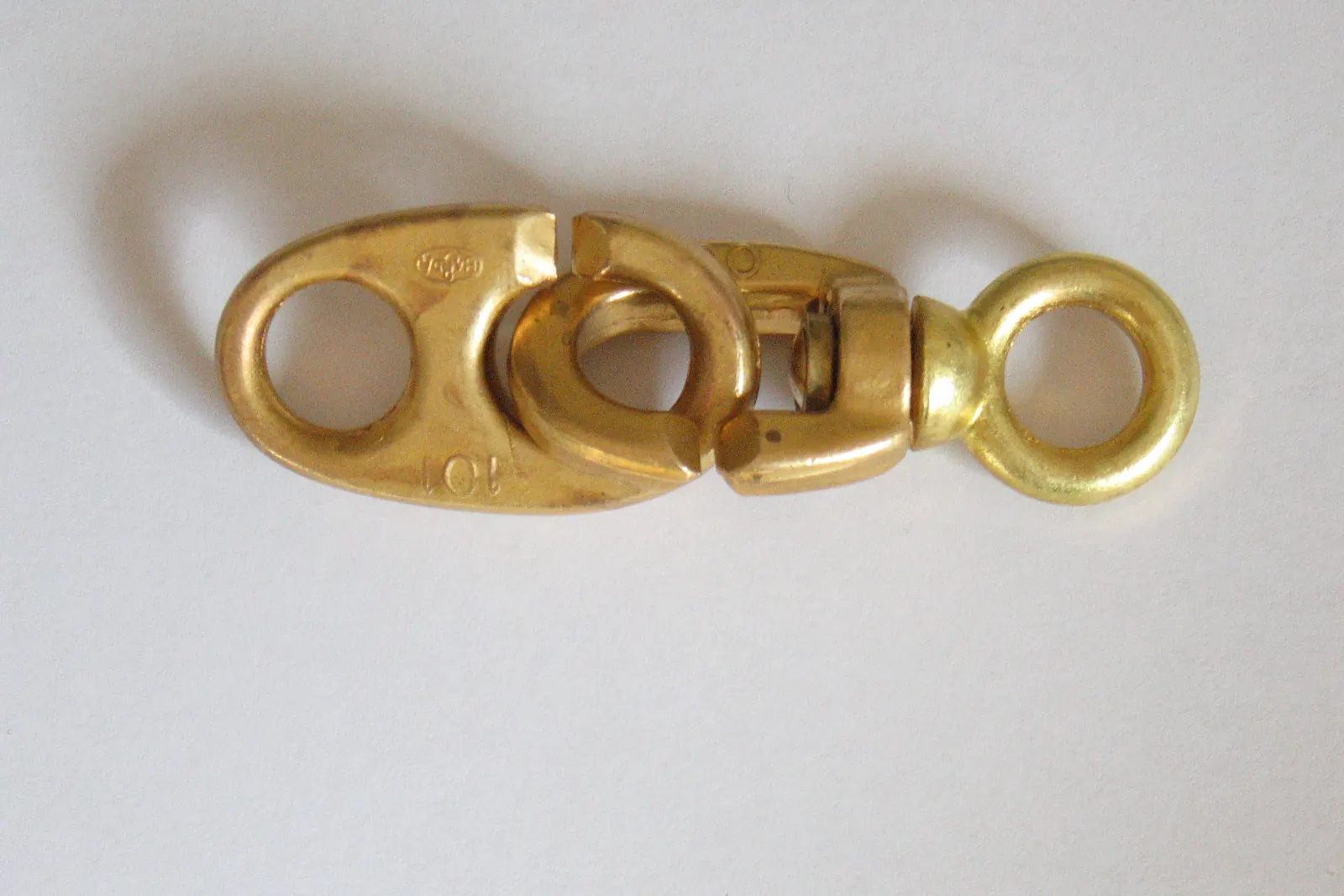
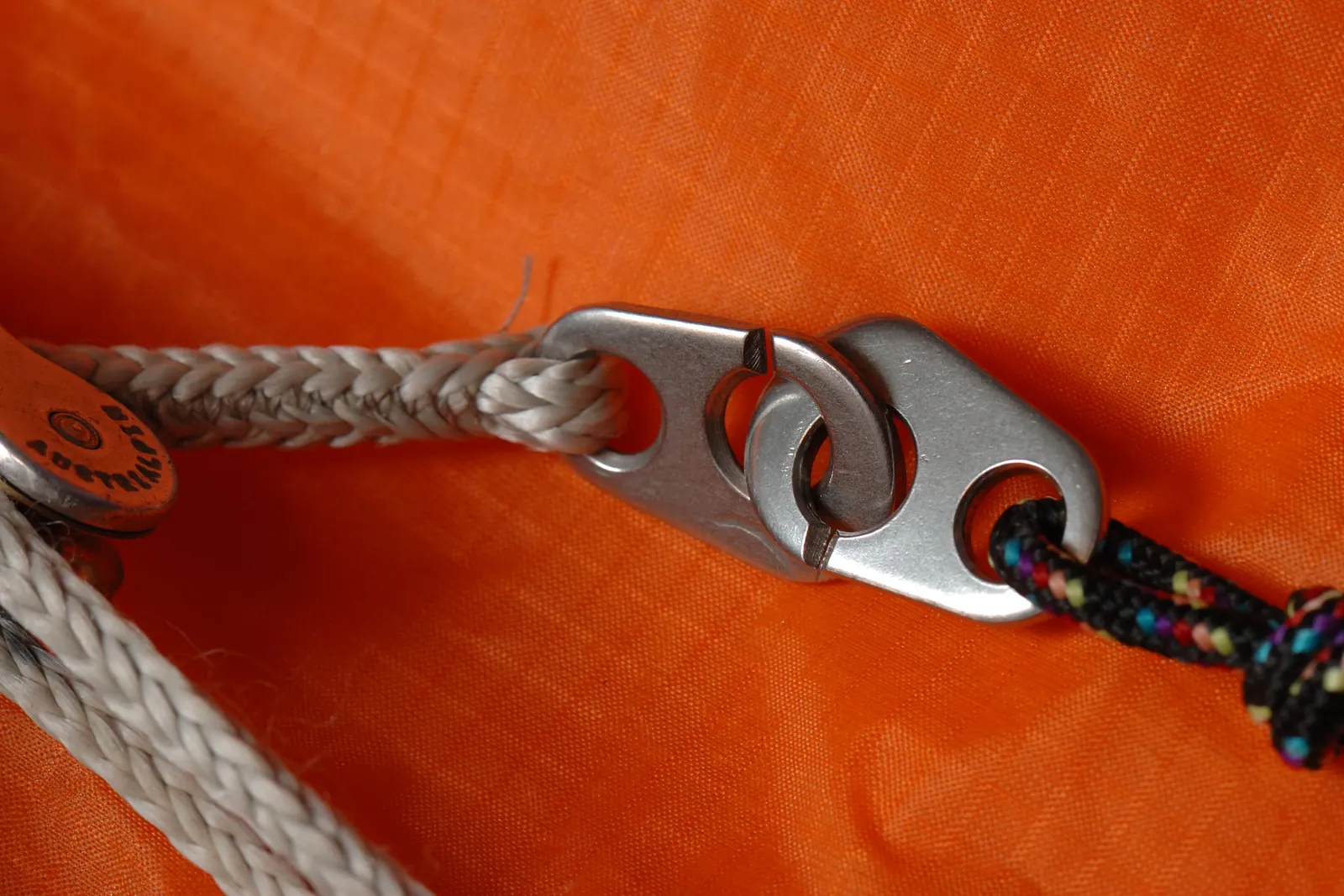
- Clips or toggles: hold the flag to the halyard. Outdoor flags in Australia usually have a reinforced header with loops for clips, according to the flag maker Evan Evans; indoor presentation flags have a sleeve.
- Cleat: the fitting near the base on which an external halyard is tied off.
- Internal halyard door: on poles with an internal halyard, the rope runs inside the pole and is reached through a door. According to the Victorian Department of Education, the halyard at government schools is internal, with a lockable hatch to reduce vandalism and for safety.
When the flag is taken down, PM&C describes folding it lengthwise twice, bringing the ends together, folding it concertina-style towards the hoist and winding the halyard around the bundle.
Yardarm and gaff
A yardarm, or cross arm, and a gaff, a spar set diagonally on the after side of the mast, turn a flagpole into a flag mast that can carry several flags. According to PM&C, the peak of the gaff is the position of honour. The order of flags on them is described in the guide to flag protocol.
At the base
- Sleeve or spigot: a tube set in concrete into which the pole is inserted.
- Base plate: a plate bolted to a concrete footing.
- Hinged base: allows the pole to be lowered for maintenance; according to the Victorian guidance, hinged options are best chosen together with experienced manufacturers and installers.
More in the guide to installing a flagpole.
Flags
A flagpole is often sold without a flag. The Victorian guidance for schools notes that flags are not typically included in the cost of installing a flagpole. Which flag sizes suit the pole is explained in the guide to flag sizes.
Lighting
According to PM&C, the flag may be flown at night only when it is illuminated. A spotlight at the base or a light on the pole makes this possible. Lighting and its rules are covered in the guide to flag lighting.
Wear and spare parts
Halyards, pulleys and clips wear faster than the pole itself, especially in strong sun and salt air. How the parts work together is explained in the guide to how a flagpole works, and the usual faults in the guide to flagpole repair.
Frequently asked questions
What parts does a flagpole have?
A typical flagpole has a finial and a truck with a pulley at the top, a halyard with clips or toggles to hold the flag, a cleat or an internal halyard door near the base, and a base such as a sleeve, base plate or hinge. Nautical flag masts add a yardarm and a gaff.
What is a halyard?
According to the glossary of the Australian Flags booklet, the halyard is the rope used to raise or lower a flag. The PM&C protocol adds that the flag flies as close as possible to the top of the pole with the rope tightly secured.
Why do some flagpoles have a lockable door?
The door gives access to an internal halyard, which runs inside the pole. For Victorian government schools, the state’s Department of Education asks for an internal halyard with a lockable hatch, to reduce vandalism and for safety.
Is a flag included with a flagpole?
Not always. The Victorian guidance for schools notes that flags are not typically included in the cost of installing a flagpole, unless an arrangement has been made with the supplier.
Sources
This guide is based on the following sources:
- Australian Flags booklet – Glossary – Department of the Prime Minister and Cabinet
- Australian Flags booklet – Flying and handling – Department of the Prime Minister and Cabinet
- Australian Flags booklet – Flag folding – Department of the Prime Minister and Cabinet
- Flags and patriotic ceremonies – Flagpoles – Department of Education, Victoria
- Australian flag size guide – Evan Evans
Related guides
- How a flagpole worksHow a flagpole works: the halyard and pulley, internal and external halyards, raising briskly and lowering with dignity, gaffs and the hinged base.
- Flagpole maintenanceFlagpole and flag maintenance in Australian conditions: checking the pole, base and halyard, sun and salt air, washing, drying and storing flags, and old flags.
- Flagpole repairCommon flagpole faults in Australia and their causes: broken or stuck halyards, seized pulleys, wrapped flags, corrosion, loose bases and storm damage.
- Flag lightingWhen the Australian flag may fly at night, how flags are lit, half-mast after dark, light spill onto neighbours and lighting near Siding Spring Observatory.