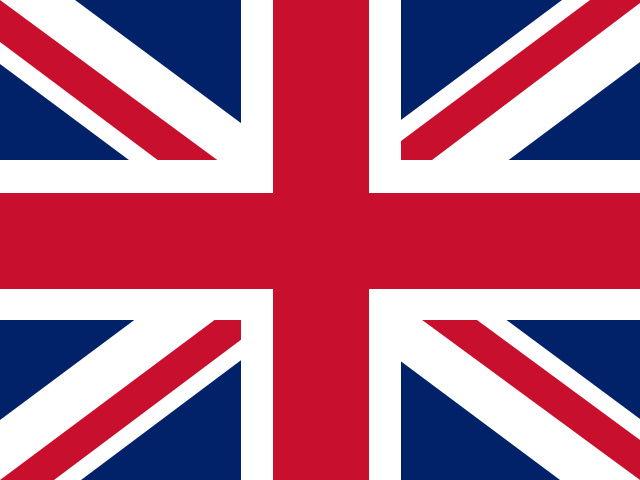
Flagpoles and flag flying in the United Kingdom
Published Written by Flagpole Guides
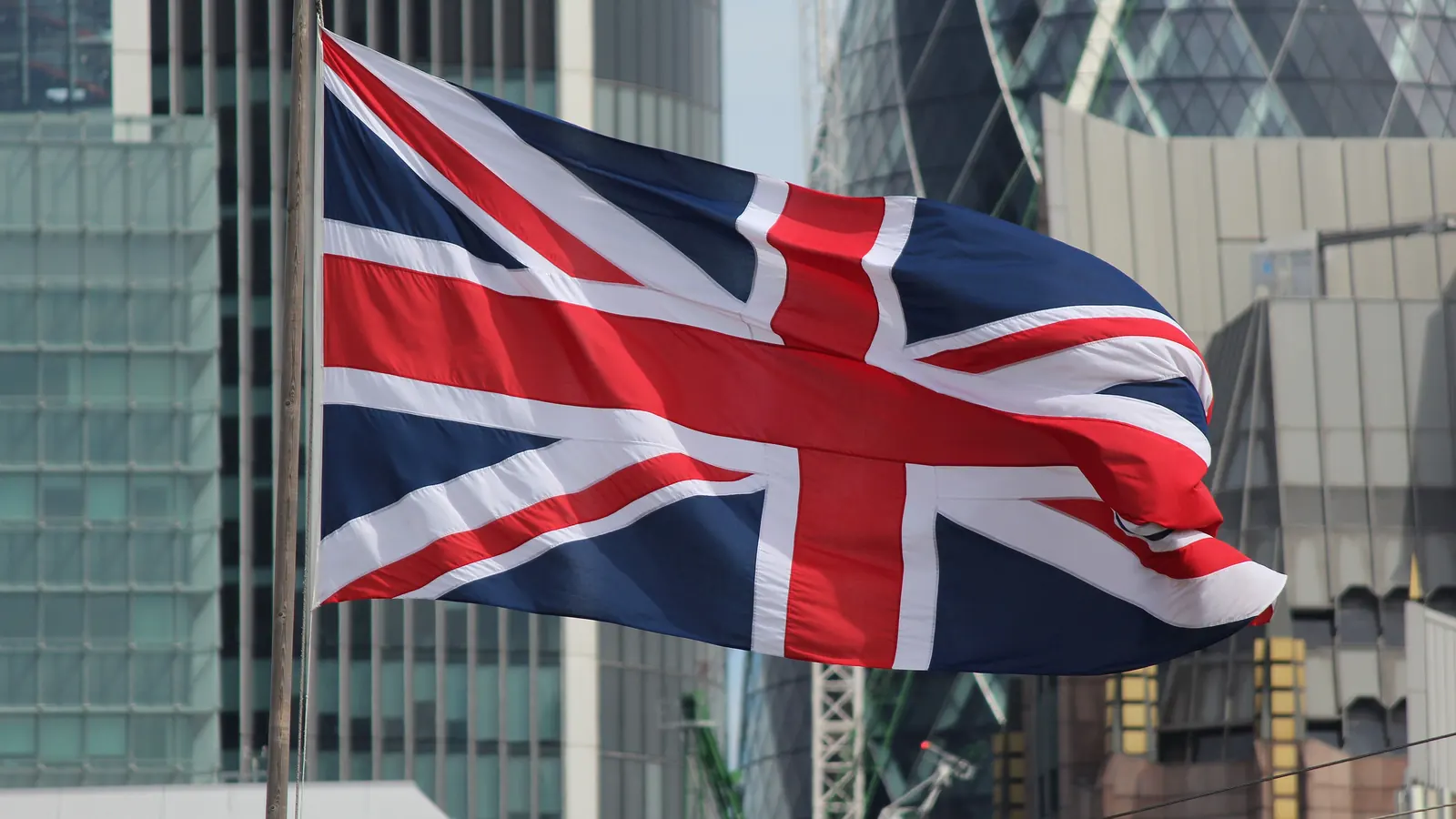
Flags are part of everyday life in the United Kingdom: the Union Flag over town halls and government buildings, the Cross of St George, the Saltire and the Red Dragon on national days, club and company flags on flagpoles in gardens, schools and business parks. In its guidance on flying flags, the government describes flags as “a very British way of expressing joy and pride”. Yet the rules behind them are spread across royal command, government guidance, planning law and the practices of four nations. This section brings together what applies to flag flying and flagpoles in the UK, with sources from UK legislation, the UK and devolved governments and the Flag Institute.
The essentials
- Flag days: The Department for Culture, Media and Sport lists designated days on which the Union Flag must be flown on UK government buildings, from Commonwealth Day and Coronation Day to Remembrance Day. The dates are in the guide to flag days.
- Who may fly flags: No permission is needed to fly the national flags. The details are in the guide to flag flying rules.
- Half-mast: Half-mast means two-thirds of the way up the flagpole, according to the Scottish Government and the Flag Institute. More in the guide to half-mast.
- Size: As a guide, the Flag Institute gives a flag length of no more than one third of the height of a ground-level pole. The flag size calculator works it out.
- Buying: What affects the price is explained in the guides to buying a flagpole and buying a flag.
- Planning: According to the Planning Portal, one garden flagpole up to 4.6 metres high does not need planning permission. More in the guide to installing a flagpole.
Law, guidance and responsible bodies
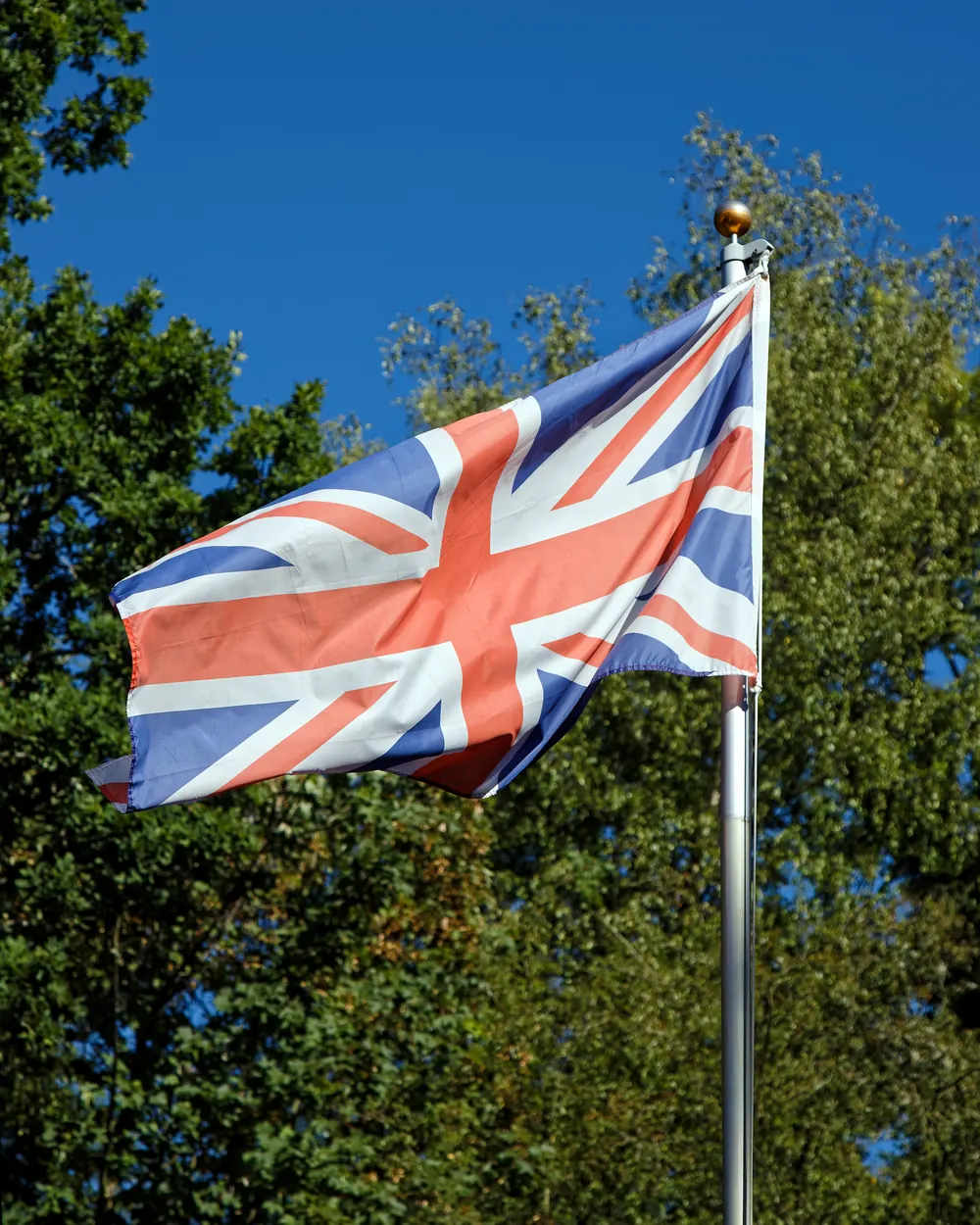
The UK has no single flag law. According to the Flag Institute, the Union Flag is the national flag by long-established custom and practice rather than by statute, and an attempt to give it a basis in law, the Union Flag Bill of 2008, did not progress beyond its first reading. The College of Arms, the Crown body responsible for heraldry in England, Wales and Northern Ireland, publishes approved designs of the Union Flag.
Flag flying on government buildings is set by different bodies in each part of the UK:
| Area | Rules for government buildings |
|---|---|
| UK government | Guidance from the Department for Culture, Media and Sport, with designated days by command of the King |
| Scotland | Flag flying guidance from the Scottish Government, issued each year |
| Wales | The UK designated days apply to UK government buildings, including St David’s Day on 1 March |
| Northern Ireland | The Flags Regulations (Northern Ireland) 2000, which are legislation rather than guidance |
For private individuals, companies and clubs there is no duty to fly a flag and there are no fixed times. The practical rules come from elsewhere: in England and Wales, flags are treated as advertisements under the planning regime, while in Scotland, according to the UK government, flag flying is outside the advertisement control regime. The Flag Institute, a UK flag charity, publishes a detailed guide to UK flag protocol together with the UK Parliamentary Flags and Heraldry Committee.
The flagpole in the UK
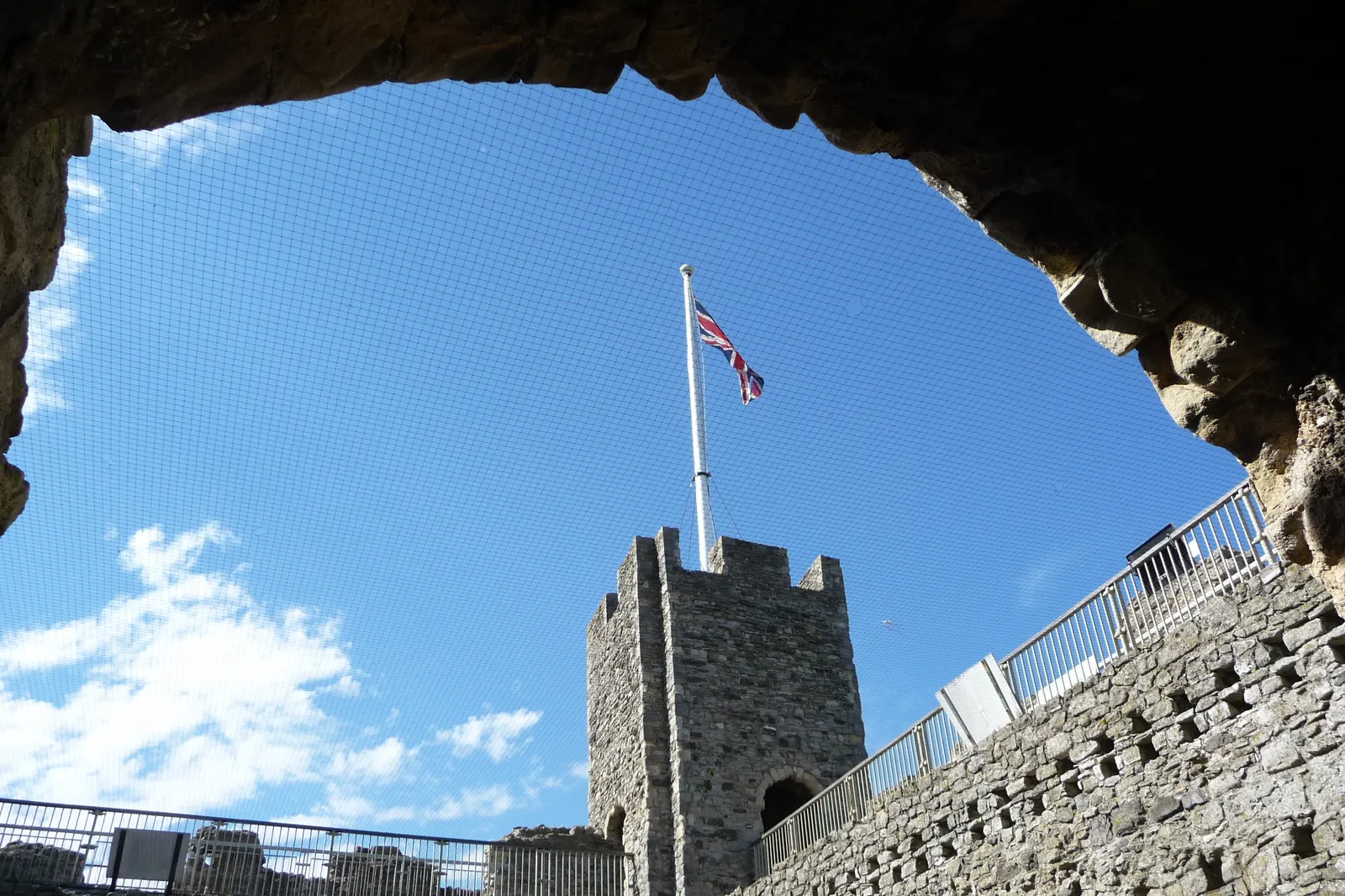
There are no national rules on what a flagpole must look like. Whether planning permission is needed depends on the pole’s height and location: according to the Planning Portal, one flagpole up to 4.6 metres in a garden does not need an application, while a taller pole or one at a listed building or in a conservation area does. Aluminium and glass fibre flagpoles are common in gardens; businesses, schools and public buildings often have taller poles, sometimes in groups for several flags. More in the guides to types of flagpoles and flagpole heights.
About the guides
The guides below are sorted by topic. Each covers one subject, ends with frequently asked questions and lists its sources, and shows when it was last updated. The flag days are shown for 2026 as published by the government and projected for 2027.
All guides
Flag flying and rules
When, how and why flags are flown in the UK – from the government’s designated days to half-mast, mourning and flags of other countries.
- Flag daysAll designated days for flying the Union Flag on UK government buildings in 2026 and 2027, with the separate rules for Scotland and Northern Ireland.
- Flag flying rulesUK flag flying rules and etiquette: who may fly which flag, flying times, flying at night, the right way up for the Union Flag and retiring worn-out flags.
- Half-mastWhat half-mast means in the UK: how far down the flag flies, how it is raised and lowered, when flags go to half-mast and when a black mourning ribbon is used.
- Flags in mourningHow flags are used in mourning in the UK: national mourning, royal and state occasions, government announcements, a flag on a coffin and private bereavement.
- Flags on special occasionsWhich UK bank holidays are flag days, the national saints’ days, Armed Forces Day, sporting events and celebrations – and flags needing no consent in England.
- Flag protocolThe order of precedence of flags in the UK, the superior position on one or several flagpoles, flags in a line or circle, on platforms and in processions.
- Foreign flags in the UKFlying another country’s flag in the UK: planning rules in England, the order of precedence, the EU flag after Brexit and the flags of proscribed groups.
The flag
The Union Flag, flag types and sizes, what affects the price of a flag, and a calculator that shows which size suits a flagpole.
- Flag typesThe flags flown in the UK: the Union Flag, the national flags of England, Scotland and Wales, ensigns, the Royal Standard, county and house flags and pennants.
- Flag sizesWhat size flag suits a flagpole: the Flag Institute’s one-third guide, a size chart by pole height, the 3:5 and 1:2 proportions and UK planning limits.
- Flag size calculatorThe flag size calculator shows the largest flag for a flagpole by the Flag Institute’s one-third guide, in centimetres and feet, at 3:5 and 1:2 proportions.
- The Union FlagWhat the crosses of the Union Flag stand for, how it developed from 1606 to 1801, why it has no basis in law, its colours and proportions, and the right way up.
- Buying a flagBuying a Union Flag or other flag: what affects the price – size, fabric, sewn or printed, finishing – and your rights when buying under UK consumer law.
The flagpole
Types, materials, heights, accessories, lighting and what affects the price of a flagpole – and how flags and flagpoles developed.
- Types of flagpolesGround-mounted, roof-mounted, wall-mounted, telescopic and nautical flagpoles with yardarm and gaff: the main types of flagpole and how UK planning treats them.
- Flagpole materialsAluminium, glass fibre, steel and wooden flagpoles compared: weight, corrosion, maintenance, conductivity and recycling – and the duty to keep a pole safe.
- Flagpole heightsHow tall a flagpole can be without planning permission in the UK, which flag size suits which height, the half-mast position, and the fall zone around a pole.
- Flagpole accessoriesFinial, truck, pulley, halyard, clips, toggle and rope, cleat, ground socket, hinged base and yardarm: the parts of a flagpole and what each one does.
- How a flagpole worksHow a flagpole works: external and internal halyards, the pulley and rotating truck, yardarms, hinged bases and the forces the wind puts on pole and foundation.
- Flag lightingFlying a flag at night in the UK: what flag protocol says about illumination, light as a statutory nuisance, and electrical rules for fixed floodlights.
- Flagpole historyFrom the first Union Flag of 1606 and naval ensigns to the flag rules of 2012 and 2021: how flags and flagpoles developed in the UK and why sea terms remain.
- Buying a flagpoleBuying a flagpole in the UK: what affects the price – height, material, halyard, base, delivery and installation – plus planning rules and your consumer rights.
Installation, safety and care
Planning rules, foundations, safety, maintenance and transport – for homeowners, businesses, schools and councils.
- Installing a flagpoleDoes a flagpole need planning permission? The 4.6 metre rule, listed buildings, conservation areas, advertisement consent for flags in England, and foundations.
- Flagpole safetyFlagpole safety in the UK: wind loads and weather warnings, occupiers’ liability, overhead lines, safe conditions for flags and the rules for work at height.
- Flagpole maintenanceWhat is usually checked when a flagpole is maintained – pole, foundation, halyard, pulley and flag – why upkeep matters for liability, and retiring old flags.
- Flagpole repairBroken halyard, jammed pulley, rattling clips, a leaning pole or cracks at the base: common flagpole faults, their causes and who usually deals with them.
- Lifespan and sustainabilityWhat decides how long a flagpole and a flag last, the signs of wear, and how aluminium, glass fibre and flag fabric are recycled or disposed of.
- Transporting a flagpoleCarrying a flagpole on a car, roof rack or trailer in the UK: the rules on projecting loads in the Construction and Use Regulations, markers and load security.
- Flagpoles for businessesFlagpoles at business premises: when a company flag needs advertisement consent in England, where it flies next to national flags, and health and safety duties.
Frequently asked questions
Can anyone fly the Union Flag in the UK?
Yes. According to the Flag Institute’s UK flag protocol, no permission is needed to fly the national flags, and flags may be flown on every day of the year. In England, the plain English guide from the government confirms that any country’s national flag can be flown without advertisement consent.
Which days are official flag days in the UK?
The Department for Culture, Media and Sport publishes designated days on which the Union Flag must be flown on UK government buildings, such as Commonwealth Day, Coronation Day, the King’s Official Birthday, Remembrance Day and the national saints’ days in England, Scotland, Wales and Northern Ireland. Government buildings are also encouraged to fly the Union Flag all year round.
Do I need planning permission for a flagpole?
According to the Planning Portal, one flagpole up to 4.6 metres high can be put up in a garden without planning permission. A taller pole, or one at a listed building or in a conservation area, needs consent. The rules differ between England, Wales, Scotland and Northern Ireland, and the local council can confirm what applies to a specific site.
Is there a law that defines the Union Flag?
No. According to the Flag Institute there is no Flag Act in UK law, and the Union Flag is the national flag by long-established custom and practice rather than by statute. The College of Arms publishes approved designs of the Union Flag.
How is a flag flown at half-mast in the UK?
The Scottish Government and the Flag Institute describe half-mast as two-thirds of the way up the flagpole. According to the Flag Institute, the flag is first raised to the top, then lowered to the half-mast position, and there is at least the height of the flag between the top of the flag and the top of the pole.
Sources
This guide is based on the following sources:
- Union Flag flying guidance for UK government buildings – Department for Culture, Media and Sport
- Flying flags: a plain English guide – Ministry of Housing, Communities and Local Government
- UK flag protocol – The Flag Institute
- Can I put a flagpole in my garden and how tall can it be? – Planning Portal
- Flag flying on government buildings: guidance – Scottish Government
- The Flags Regulations (Northern Ireland) 2000 – legislation.gov.uk