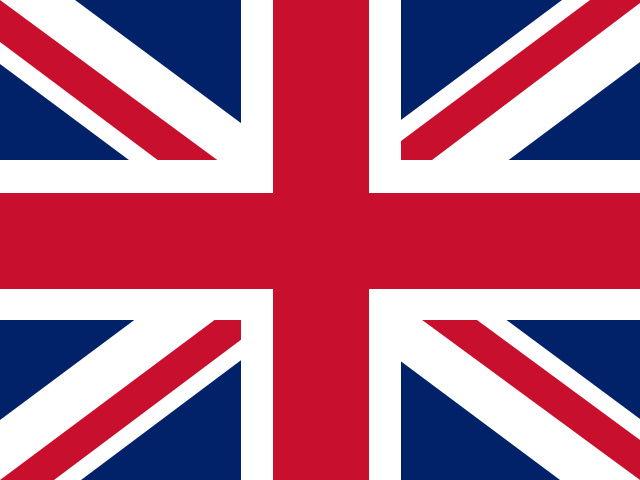
UK flag protocol: order of precedence and ceremonies
Published Written by Flagpole Guides
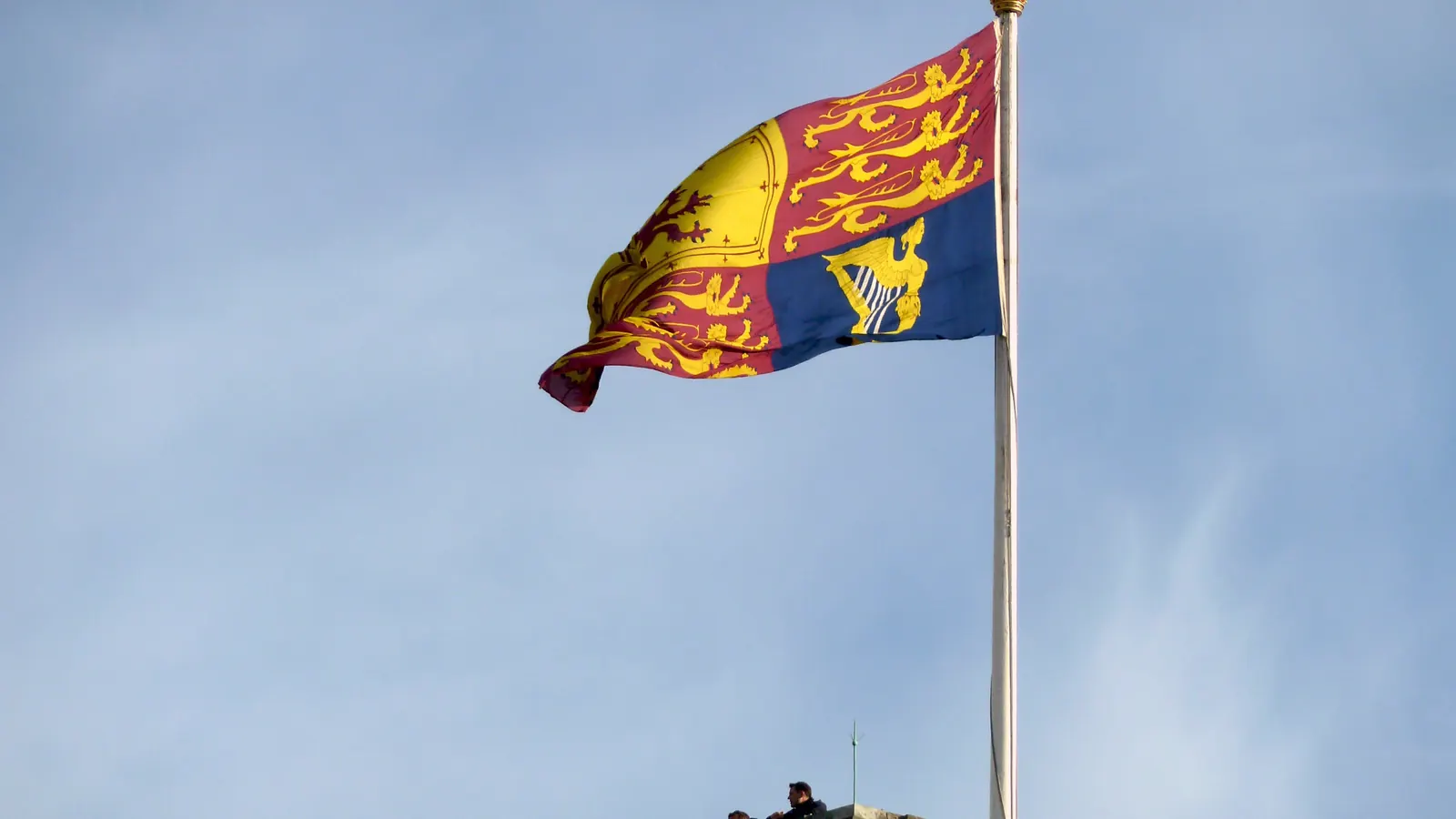
Where several flags fly side by side, their order matters. In the UK, the rules for government buildings are set out in the government’s flag guidance, and a detailed protocol for all situations is published by the Flag Institute together with the UK Parliamentary Flags and Heraldry Committee. For companies, clubs and private individuals these rules are not binding, but they describe a recognised order.
Order of precedence
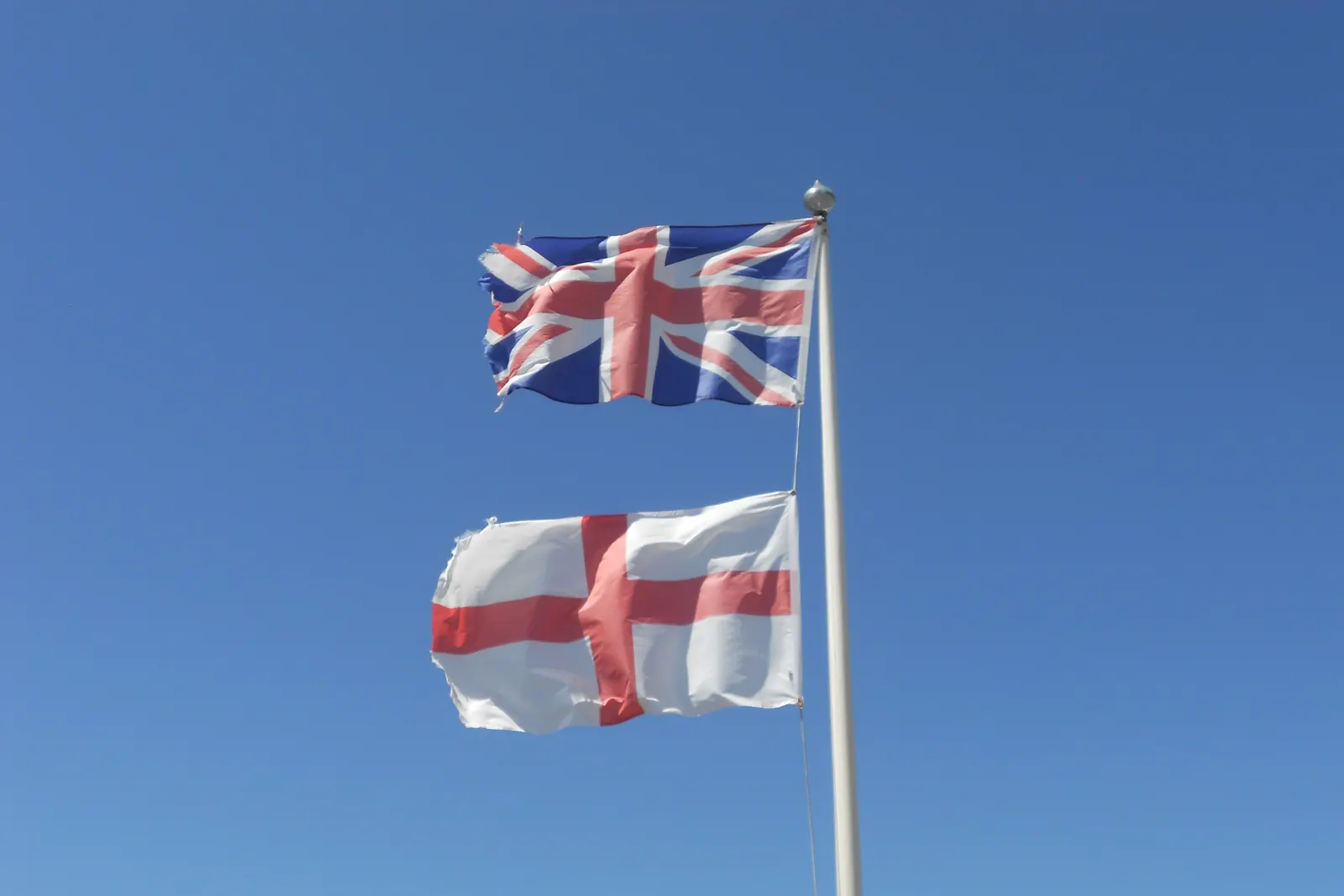
According to the Flag Institute, the order of precedence of flags in the UK is:
- Royal Standards
- the Union Flag
- the flag of the host country (England, Scotland, Wales and so on)
- flags of other nations, in alphabetical order
- the Commonwealth flag
- the European Union flag
- county flags
- flags of cities or towns
- banners of arms
- house flags.
According to the Flag Institute, the national flags of the UK are not displayed in a position inferior to any other flag. The Royal Standard, which takes precedence over all other flags, is only flown while the royal person is on the premises.
The superior position
The UK government’s guidance for its buildings describes the superior position as:
| Flagpoles | Superior position |
|---|---|
| Poles of different heights | the highest flagpole |
| Odd number of poles of the same height | the centre flagpole |
| Even number of poles of the same height | the left-centre flagpole, viewed from the front of the building |
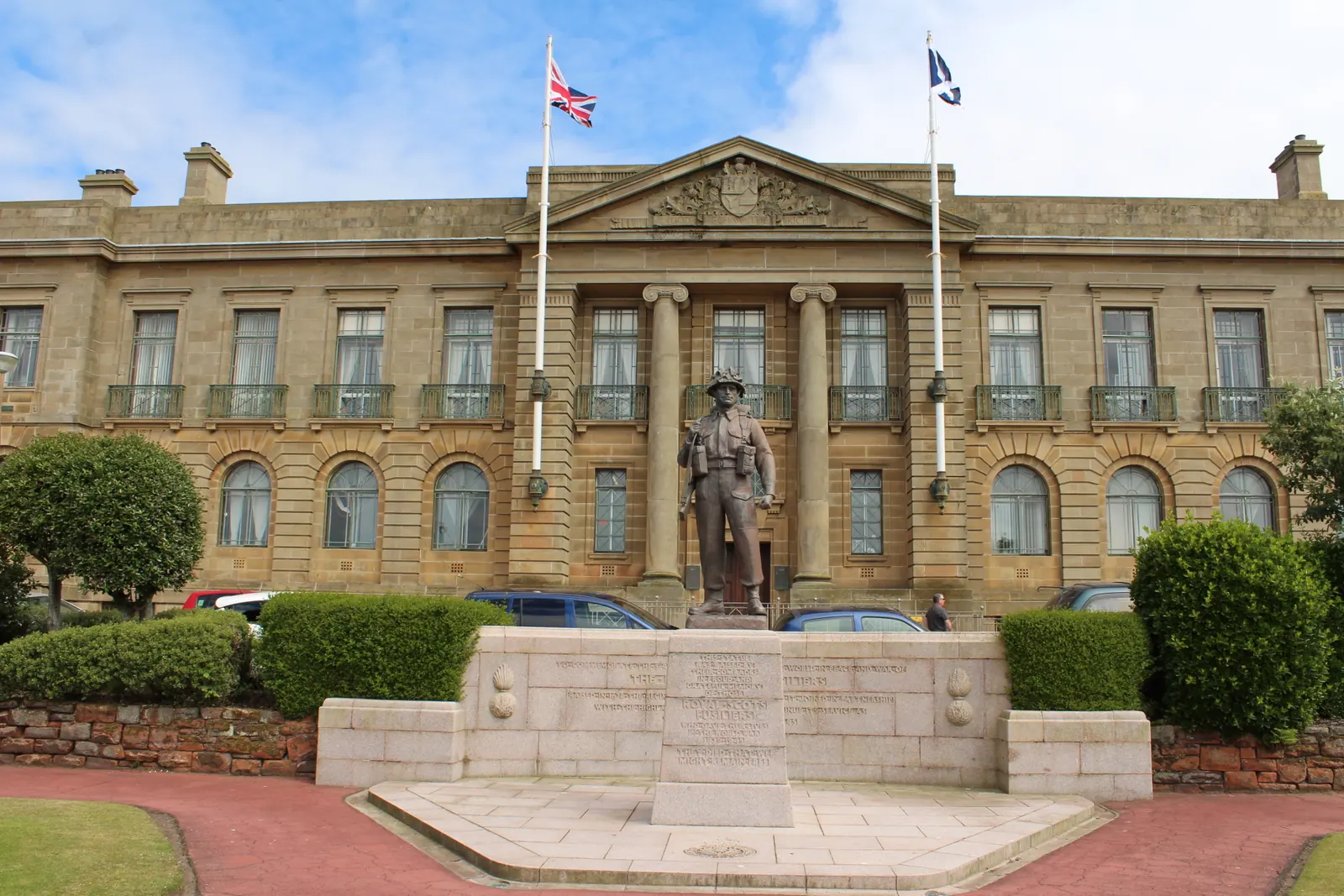
The Scottish Government uses the same rule for its buildings. The Flag Institute describes a variant for flagpoles parallel to the building line: the senior national flag is the first on the left of an observer facing the main entrance, and the other flags follow from left to right in order of precedence.
Several flags together
- Same size: According to the Flag Institute, when British national flags are flown with flags of other nations, each flag is the same size, or at least the same width, and flies from a separate flagpole of the same height.
- Proportions: The Flag Institute notes that the UK flag shape of 3:5 works well with nearly all other nations’ flags.
- Raising and lowering: The senior British national flag is raised first and lowered last, unless all flags are raised and lowered together.
- A higher pole: If one pole is higher, the senior national flag can fly from it, but then no non-UK national flags are flown on the other poles.
- Semi-circle and circle: In a semi-circle, the senior national flag is in the centre, with the next flags alternating left and right. In a closed circle, it flies opposite the main entrance.
Two flags on one flagpole
In England, the planning rules allow two flags on the same flagpole without consent if both are on the list of flags that need no consent, or one of them is and the other is a permitted house, club or award flag. If one of them is the Union Flag, it flies in the superior position, at the top. The Flag Institute describes a gap of about 30 cm between the two flags, and notes that when flags are at half-mast the lower flag is removed.
Platforms, processions and crossed flags
According to the Flag Institute:
- Platform: the senior national flag on a staff is placed on the speaker’s right, which is the audience’s left.
- Procession: the senior national flag leads a single file of flags. Side by side, it takes the right-hand position in the direction of movement.
- Crossed flags: the senior national flag is on the observer’s left, with its staff in front.
- Hung across a street: all flags are hung to be seen from the same direction. The Union Flag hung horizontally or vertically has the broad white diagonal uppermost in the top-left corner.
Raising a flag with ceremony
The Flag Institute describes a British tradition known as breaking the flag: the flag is hoisted rolled up and held with a thin piece of cotton or a slip knot, and a sharp tug on the halyard releases it to fly free. This is sometimes used to mark the beginning of an event. Otherwise, flags are raised and lowered in a dignified manner. More about foreign flags is in the guide to foreign flags in the UK, and about mourning in the guide to flags in mourning.
Frequently asked questions
What is the order of precedence of flags in the UK?
According to the Flag Institute, the order is: Royal Standards, the Union Flag, the flag of the host country (England, Scotland, Wales and so on), flags of other nations in alphabetical order, the Commonwealth flag, the European Union flag, county flags, flags of cities or towns, banners of arms and house flags.
Which flagpole is the position of honour?
According to the UK government’s guidance, the superior position is the highest flagpole, the centre pole where there is an odd number of poles of the same height, or the left-centre pole viewed from the front of the building where there is an even number.
Can two flags be flown on one flagpole?
In England, the planning rules allow two flags on one flagpole without consent if both are on the list of flags that need no consent, or one is and the other is a permitted house or club flag, with the Union Flag in the superior position. The Flag Institute describes a gap of about 30 cm between the flags.
Where does the national flag go on a speaker’s platform?
According to the Flag Institute, the senior national flag displayed from a staff on a platform is placed on the speaker’s right-hand side, which is the audience’s left.
Sources
This guide is based on the following sources:
- Union Flag flying guidance for UK government buildings – Department for Culture, Media and Sport
- UK flag protocol – The Flag Institute
- Flag flying on government buildings: guidance – Scottish Government
- Flying flags: a plain English guide – Ministry of Housing, Communities and Local Government
Related guides
- Foreign flags in the UKFlying another country’s flag in the UK: planning rules in England, the order of precedence, the EU flag after Brexit and the flags of proscribed groups.
- Flags in mourningHow flags are used in mourning in the UK: national mourning, royal and state occasions, government announcements, a flag on a coffin and private bereavement.
- Flag typesThe flags flown in the UK: the Union Flag, the national flags of England, Scotland and Wales, ensigns, the Royal Standard, county and house flags and pennants.
- Flagpoles for businessesFlagpoles at business premises: when a company flag needs advertisement consent in England, where it flies next to national flags, and health and safety duties.