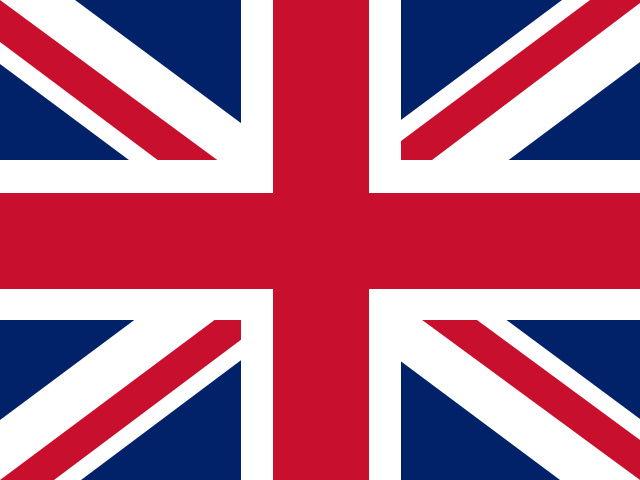
Flying flags on bank holidays and special occasions
Published Written by Flagpole Guides
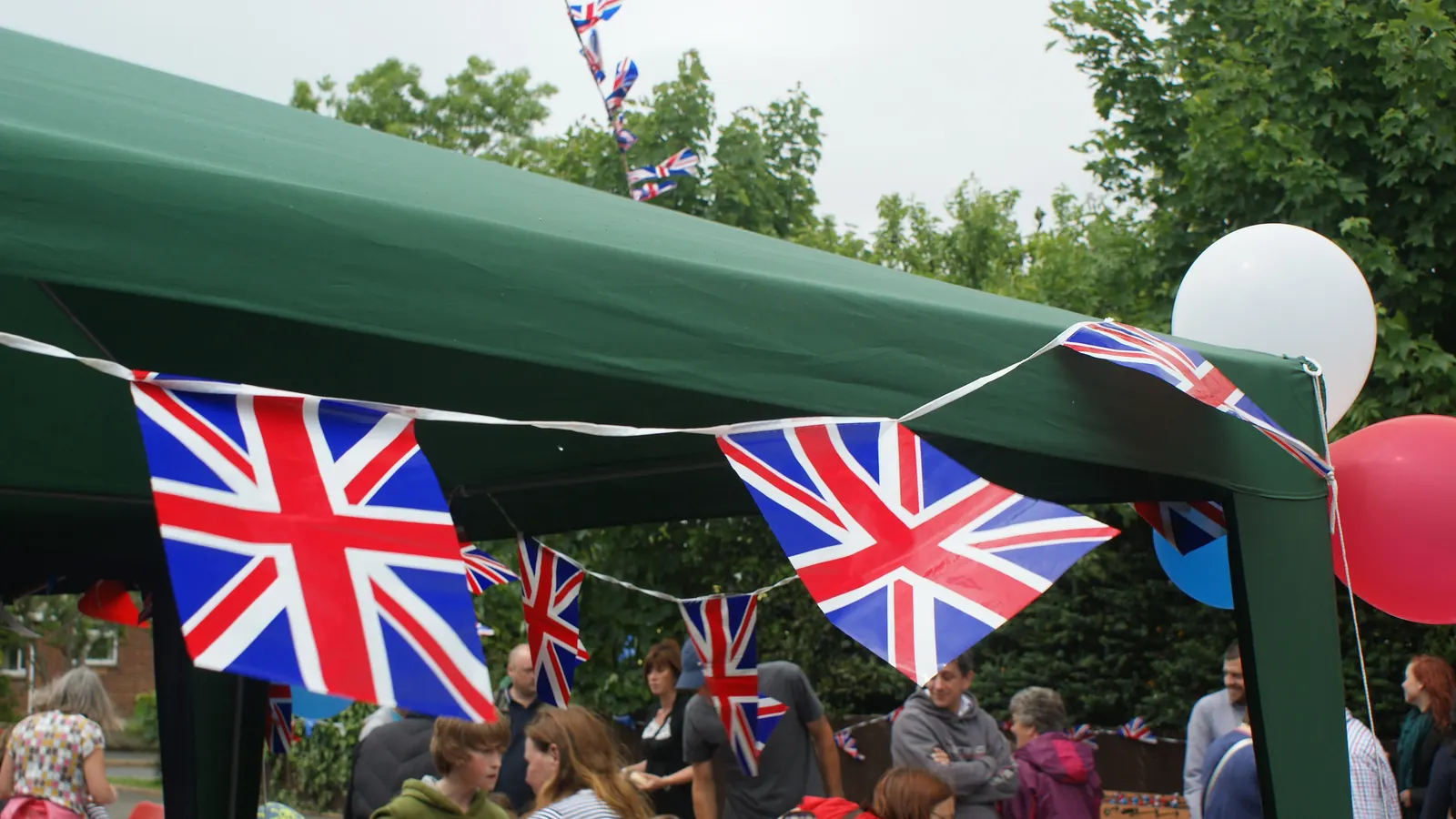
In many countries the national flag is flown on Christmas Day, Easter or family birthdays. In the UK, the official flag days for government buildings are mostly royal anniversaries and the national saints’ days, while the bank holidays are a separate list. For anyone else, flags can be flown on any day, and the planning rules in England decide more about the flag than the date.
Bank holidays and flag days
Bank holidays differ between the four nations. The government’s 2026 list shows, for example, St Patrick’s Day as a bank holiday in Northern Ireland and St Andrew’s Day as a bank holiday in Scotland. Comparing them with the designated days for flying the Union Flag on UK government buildings:
| Day | Bank holiday in 2026 | Designated flag day |
|---|---|---|
| New Year’s Day | all four nations | no |
| St David’s Day (1 March) | no | yes, in Wales |
| St Patrick’s Day (17 March) | Northern Ireland | yes, in Northern Ireland |
| Good Friday, Easter Monday | Good Friday in all four; Easter Monday outside Scotland | no |
| St George’s Day (23 April) | no | yes, in England |
| Early May and Spring bank holidays | all four nations | no |
| St Andrew’s Day (30 November) | Scotland | yes, in Scotland |
| Christmas Day and Boxing Day | all four nations | no |
The full list of designated days is in the guide to flag days.
National saints’ days
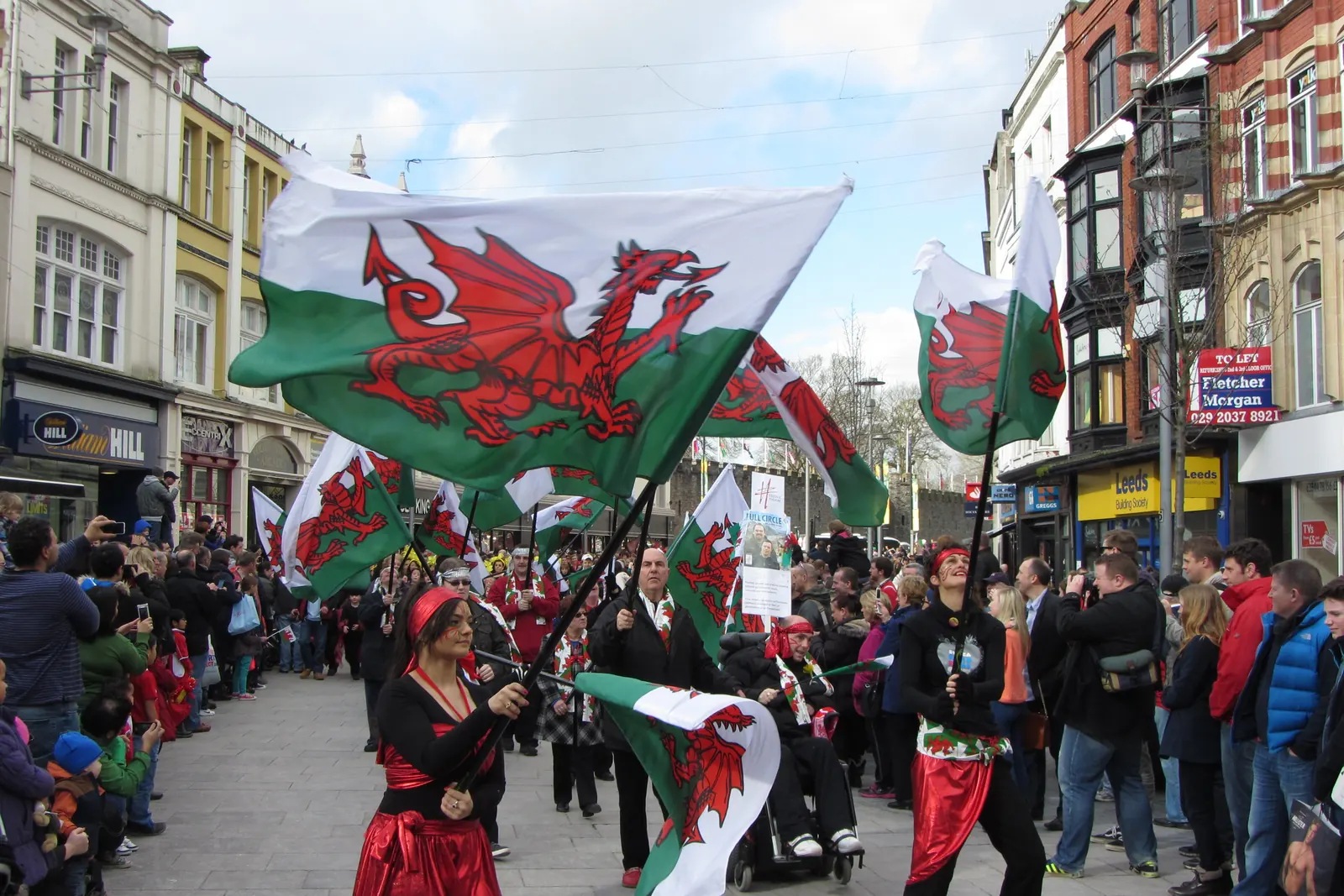
The four saints’ days are designated days in their own nation. In England, the government’s plain English guide notes that the flags of St George and St Andrew are recognised as the national flags of England and Scotland, while the flags of St David and St Patrick are listed separately, as they do not necessarily fall into the category of a country’s national flag. All four can be flown in England without advertisement consent.
Armed Forces Day and Commonwealth Day
- Armed Forces Day: The Armed Forces Day flag is among the flags that need no consent in England. The Scottish Government flies it from its buildings on Armed Forces Day.
- Commonwealth Day: A designated day for the Union Flag, the second Monday in March. The Commonwealth flag is also among the flags that need no consent in England.
Sporting events
During football and rugby tournaments, many flags of St George, the Saltire and the Red Dragon appear on houses, balconies and cars. For flags on a flagpole in England, national flags need no advertisement consent. For balconies and façades of rented or leasehold homes, tenancy agreements, leases or building rules can set their own conditions. Sports club flags can be flown in England without consent subject to restrictions, but cannot include sponsorship logos, according to the government’s guide.
Pride, the NHS and award flags
The plain English guide lists further flags that can be flown in England without consent, subject to restrictions on location and size, including the Rainbow flag with six horizontal stripes, the NHS flag, flags of certain award schemes such as Eco-Schools and Investors in People, and the Blue Flag and Green Flag award flags on beaches, marinas and parks.
Private celebrations
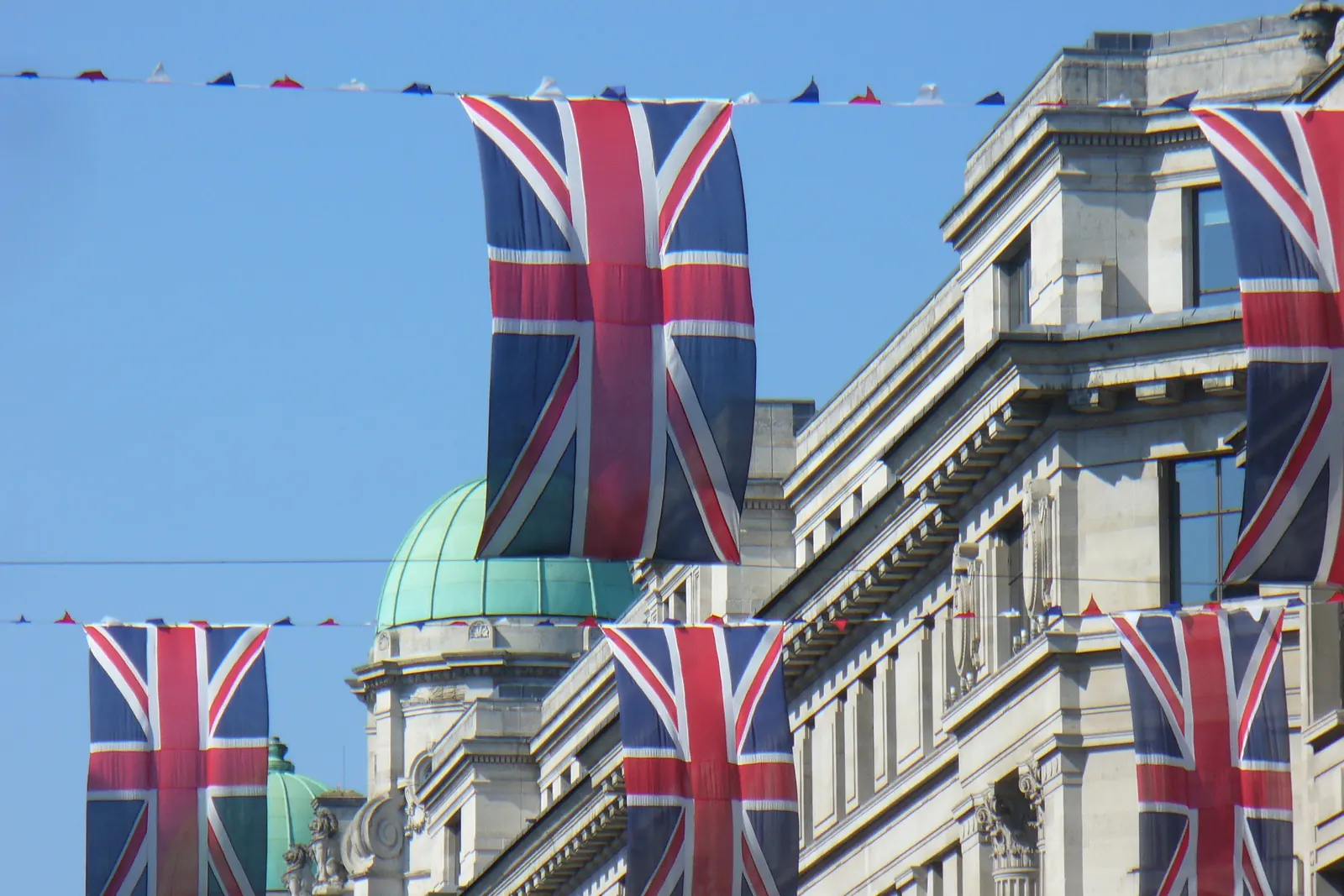
Flying a flag for a birthday, wedding, anniversary or club event is possible at any time; there are no rules for it. Besides the national flags, county flags, town flags and club flags are common, and the Flag Institute publishes a calendar that includes county flag days. Those who celebrate into the evening can leave an illuminated flag flying, which the Flag Institute describes as acceptable. More in the guides to flag lighting and flag types.
Frequently asked questions
Are bank holidays flag days in the UK?
Most are not. The government’s designated days for flying the Union Flag on UK government buildings are mainly royal anniversaries, Commonwealth Day, Remembrance Day and the national saints’ days. St Patrick’s Day and St Andrew’s Day are both designated days and bank holidays in Northern Ireland and Scotland respectively.
Can the flag of St George be flown during a football tournament?
Yes. According to the government’s plain English guide, any country’s national flag can be flown from a flagpole in England without advertisement consent, and the flags of St George and St Andrew are recognised as the national flags of England and Scotland. Tenancy agreements, leases or building rules can contain their own conditions for flags on balconies or façades.
Does the Armed Forces Day flag need planning consent?
No. The government’s plain English guide lists the Armed Forces Day flag among the flags that can be flown in England without consent, subject to the standard conditions.
Can a company fly a flag for an event?
In England, a house flag may display the name, emblem or trademark of the company occupying the building, or refer to a specific event of limited duration taking place in the building. It can be flown without consent subject to restrictions on location and size, according to the government’s plain English guide.
Sources
This guide is based on the following sources:
- UK bank holidays – UK government
- Union Flag flying guidance for UK government buildings – Department for Culture, Media and Sport
- Flying flags: a plain English guide – Ministry of Housing, Communities and Local Government
- Flag flying days (UK) – The Flag Institute
Related guides
- Flag daysAll designated days for flying the Union Flag on UK government buildings in 2026 and 2027, with the separate rules for Scotland and Northern Ireland.
- Flag flying rulesUK flag flying rules and etiquette: who may fly which flag, flying times, flying at night, the right way up for the Union Flag and retiring worn-out flags.
- Flag typesThe flags flown in the UK: the Union Flag, the national flags of England, Scotland and Wales, ensigns, the Royal Standard, county and house flags and pennants.
- Flag lightingFlying a flag at night in the UK: what flag protocol says about illumination, light as a statutory nuisance, and electrical rules for fixed floodlights.