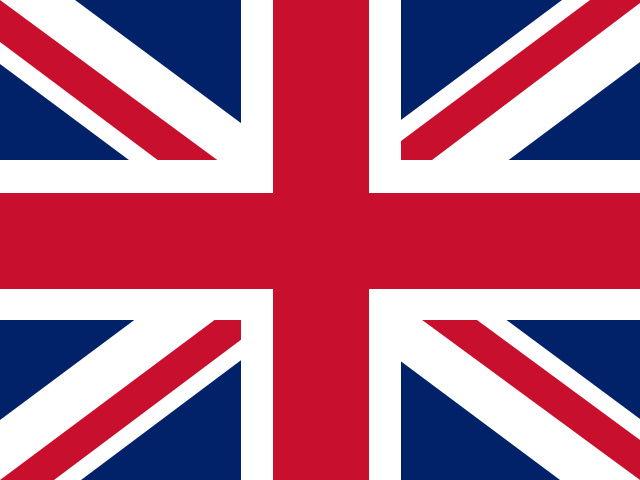
Foreign flags in the UK
Published Written by Flagpole Guides
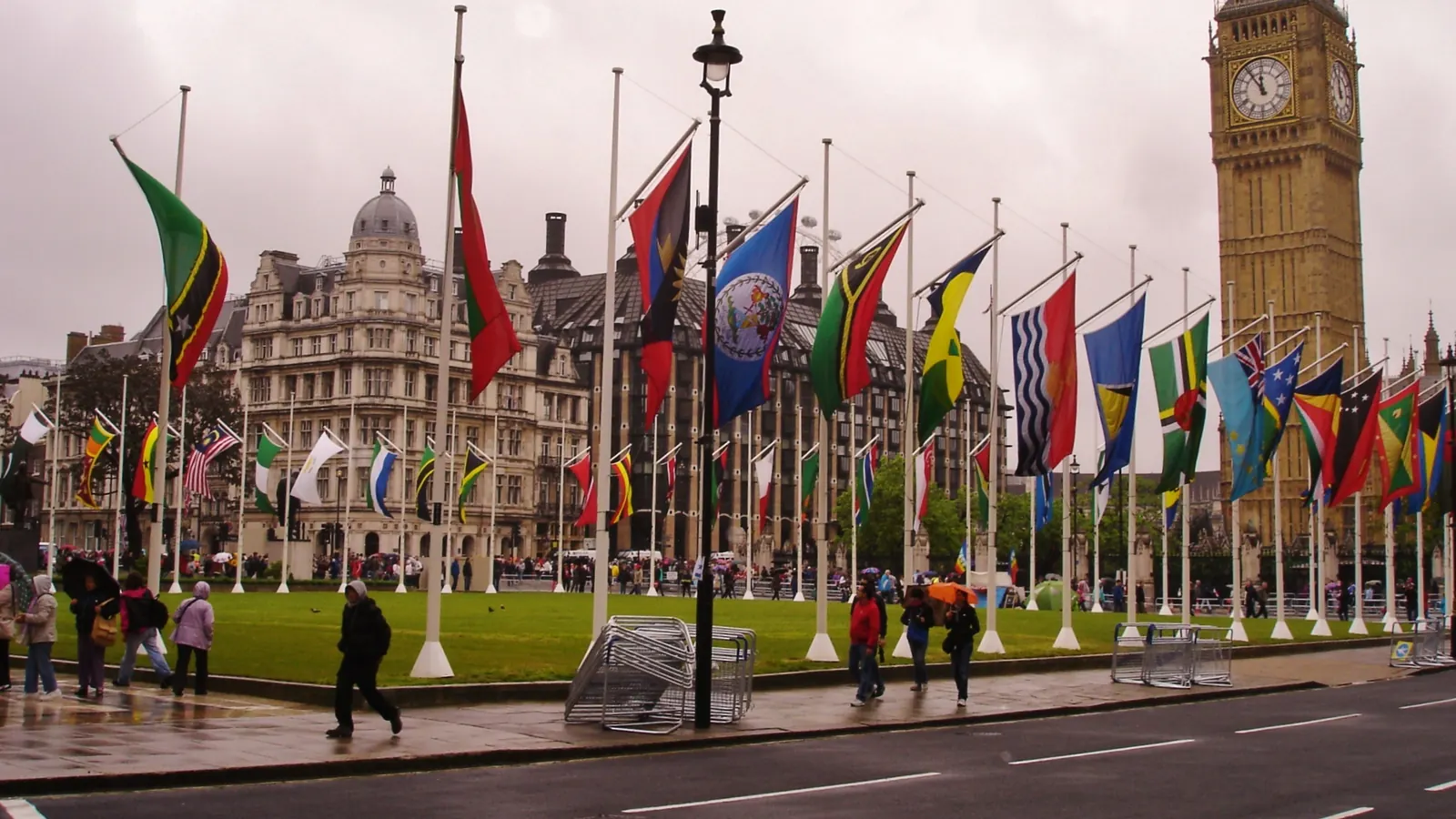
Flags of other countries are a familiar sight in the UK: outside embassies and high commissions, hotels and conference centres, company headquarters with international guests, and in the gardens of people who want to show where their family comes from. For private individuals and businesses there are few rules. For government buildings and for the order of several flags, the government’s guidance and the Flag Institute’s protocol apply.
Who may fly foreign flags
- Private individuals and businesses in England: According to the government’s plain English guide, any country’s national flag, civil ensign or civil air ensign can be flown from a flagpole without advertisement consent. The same applies to the flag of any administrative area within a country outside the UK, and to the flags of the Commonwealth, the United Nations and other international organisations of which the UK is a member. The word “country” includes the Channel Islands, the Isle of Man and the British Overseas Territories.
- Scotland: According to the UK government, flag flying in Scotland is outside the scope of the advertisement control regime.
- Northern Ireland government buildings: Under the Flags Regulations (Northern Ireland) 2000, the national flag of a visiting Head of State may be flown alongside the Union Flag when the building has more than one flagpole. Otherwise, no flag is flown at a government building except as the regulations provide.
The EU flag after Brexit
According to the government’s plain English guide, following the UK’s departure from the European Union, the flag of the European Union is no longer included in the list of flags that do not require consent in England. The Scottish Government’s guidance for 2026, by contrast, states that the European flag is flown every day from St Andrew’s House in Edinburgh, together with the Saltire and the Ukrainian flag.
Order of precedence
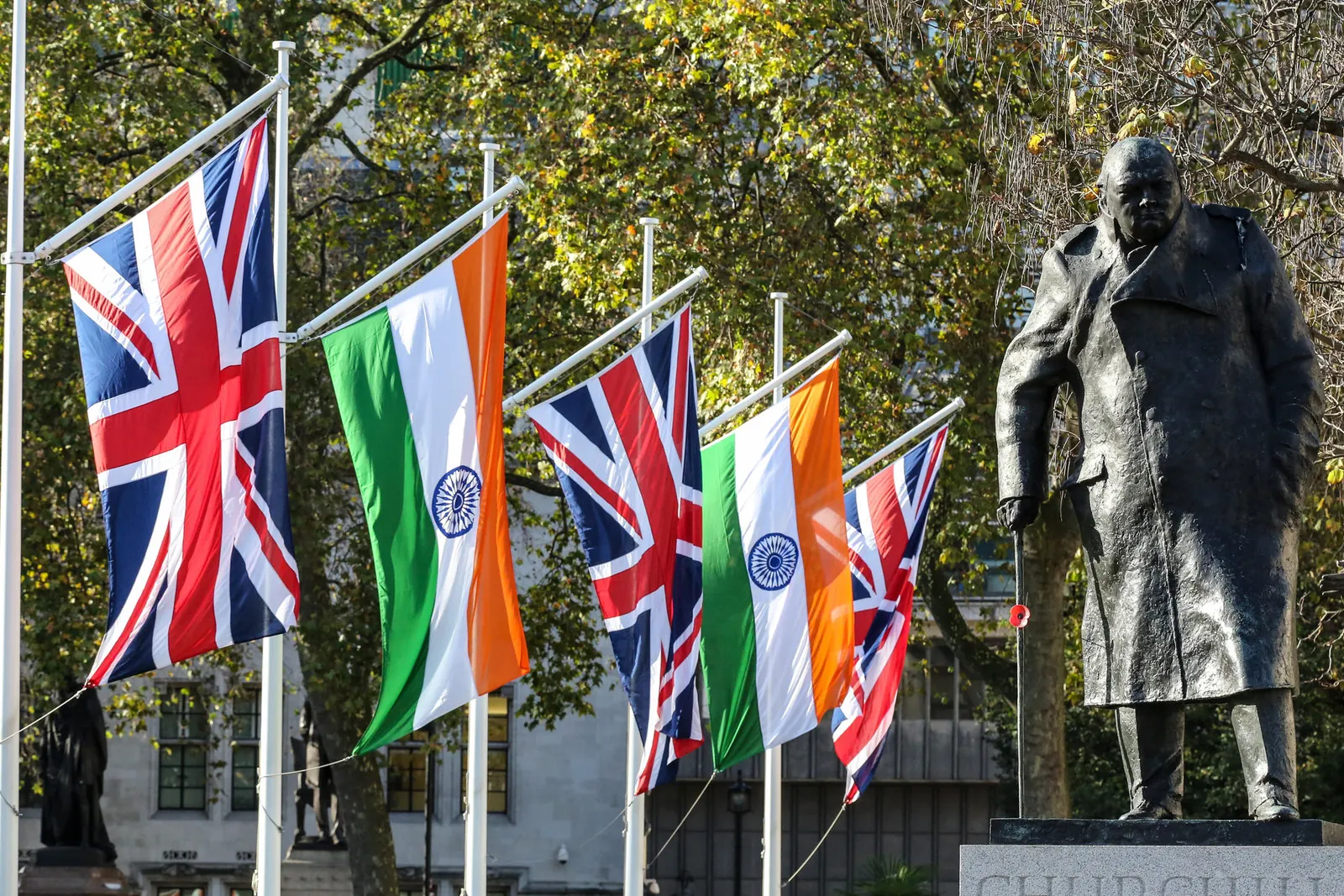
According to the Flag Institute, flags in the UK are ranked as follows:
| Position | Flag |
|---|---|
| 1 | Royal Standards |
| 2 | the Union Flag |
| 3 | the flag of the host country, such as England, Scotland or Wales |
| 4 | flags of other nations, in alphabetical order |
| 5 | the Commonwealth flag |
| 6 | the European Union flag |
| 7 | county flags, then city and town flags |
| 8 | banners of arms and house flags |
When British national flags are flown with flags of other nations, the Flag Institute describes each flag as the same size, or at least the same width, on separate flagpoles of the same height. It also notes that the UK’s 3:5 flag shape works well with nearly all other nations’ flags. If one pole is higher than the rest and carries the senior national flag, no non-UK national flags are flown on the other poles. More in the guide to flag protocol.
Mourning and foreign flags
When a British national flag is at half-mast, the Flag Institute notes that flags of foreign nations are not flown, unless their country is also observing mourning. Other flags on the same group of poles are also at half-mast or are not flown at all.
Flags of proscribed organisations
A different matter is the flag of a banned group. Under section 13 of the Terrorism Act 2000, a person in a public place commits an offence if they wear, carry or display an article in such a way or in such circumstances as to arouse reasonable suspicion that they are a member or supporter of a proscribed organisation. This concerns proscribed organisations, not the national flags of recognised countries.
Businesses with international guests
A business can fly the flag of visiting guests as a gesture of hospitality; there is no rule for private flagpoles. Those who follow the official order fly the flags at the same size and in the order of precedence above. More about company flagpoles is in the guide to flagpoles for businesses.
Frequently asked questions
Can I fly another country’s flag in the UK?
Yes. In England, the government’s plain English guide lists any country’s national flag among the flags that can be flown from a flagpole without advertisement consent, subject to the standard conditions. The same applies to the flag of any administrative area within a country outside the UK.
Does the EU flag need planning consent in England?
According to the government’s plain English guide, following the UK’s departure from the European Union, the flag of the European Union is no longer included in the list of flags that do not require consent in England.
In which order are foreign flags flown next to the Union Flag?
According to the Flag Institute, the order of precedence is Royal Standards, the Union Flag, the flag of the host country, flags of other nations in alphabetical order, the Commonwealth flag, the European Union flag, county flags, flags of cities or towns, banners of arms and house flags.
Is it illegal to display the flag of a proscribed organisation?
Under section 13 of the Terrorism Act 2000, a person in a public place commits an offence if they wear, carry or display an article in such a way or in such circumstances as to arouse reasonable suspicion that they are a member or supporter of a proscribed organisation. This can include a flag.
Sources
This guide is based on the following sources:
- Flying flags: a plain English guide – Ministry of Housing, Communities and Local Government
- UK flag protocol – The Flag Institute
- The Flags Regulations (Northern Ireland) 2000 – legislation.gov.uk
- Terrorism Act 2000, section 13 – legislation.gov.uk
- Flag flying on government buildings: guidance – Scottish Government
Related guides
- Flag protocolThe order of precedence of flags in the UK, the superior position on one or several flagpoles, flags in a line or circle, on platforms and in processions.
- Flagpoles for businessesFlagpoles at business premises: when a company flag needs advertisement consent in England, where it flies next to national flags, and health and safety duties.
- Flag daysAll designated days for flying the Union Flag on UK government buildings in 2026 and 2027, with the separate rules for Scotland and Northern Ireland.
- Flag flying rulesUK flag flying rules and etiquette: who may fly which flag, flying times, flying at night, the right way up for the Union Flag and retiring worn-out flags.