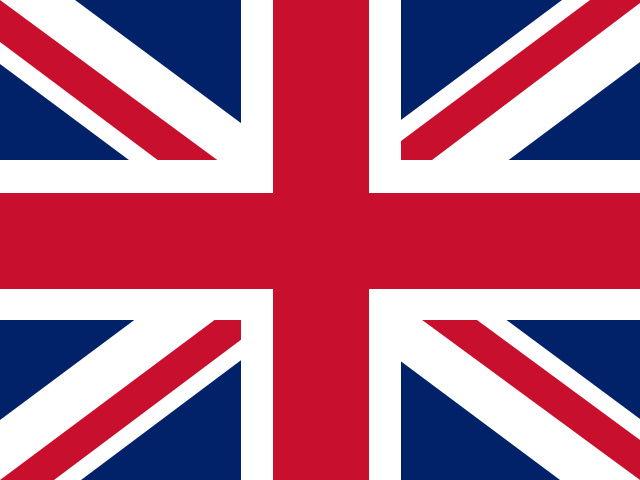
The Union Flag: meaning, history and design
Published Written by Flagpole Guides
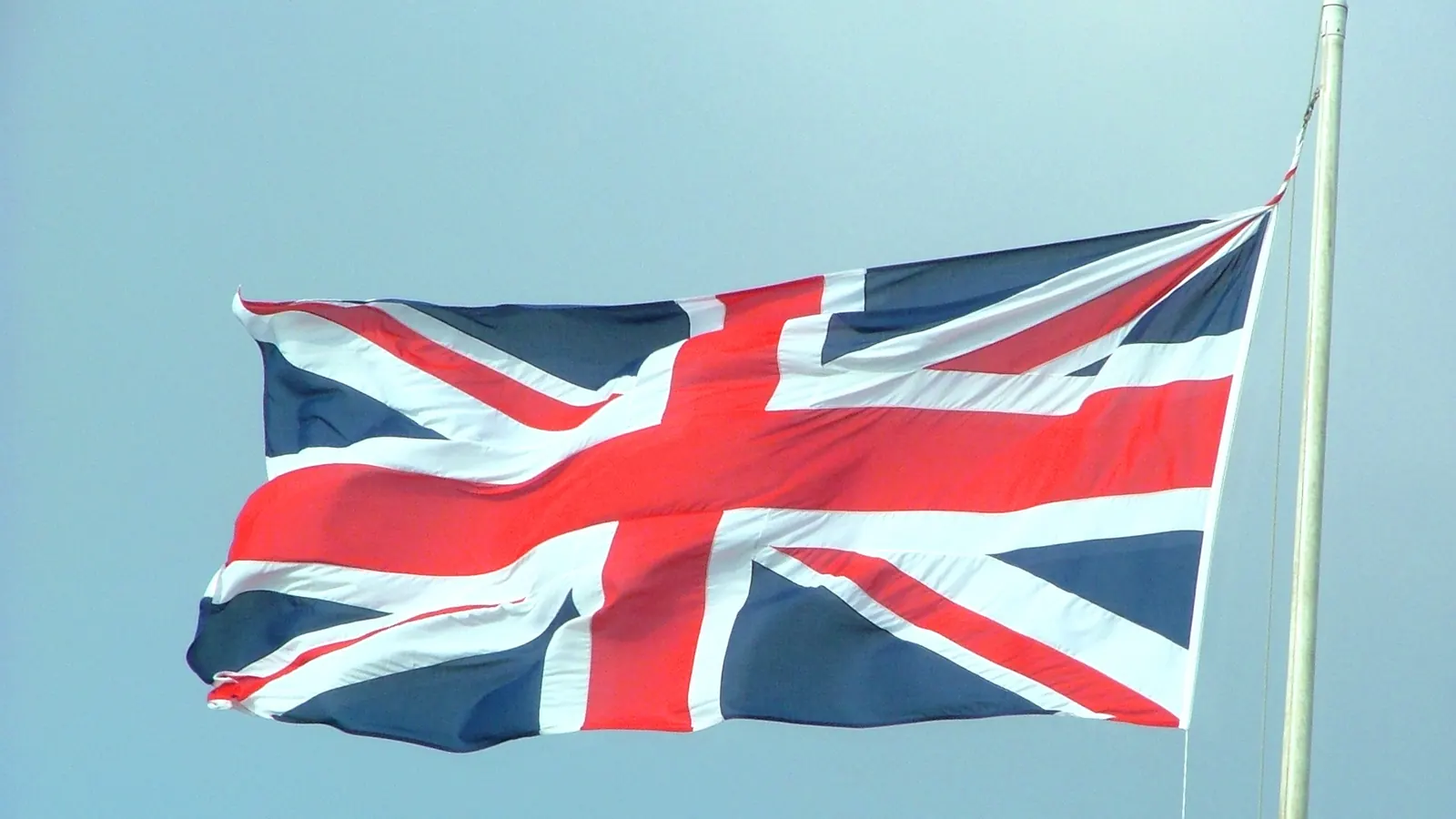
The Union Flag is the national flag of the United Kingdom of Great Britain and Northern Ireland, the Crown Dependencies and the Overseas Territories. The UK government calls it “a symbol of national unity and pride”. It is unusual in two ways: it is made of three overlapping crosses, and, according to the Flag Institute, it is the world’s only national flag that has no basis in law.
Three crosses, one flag
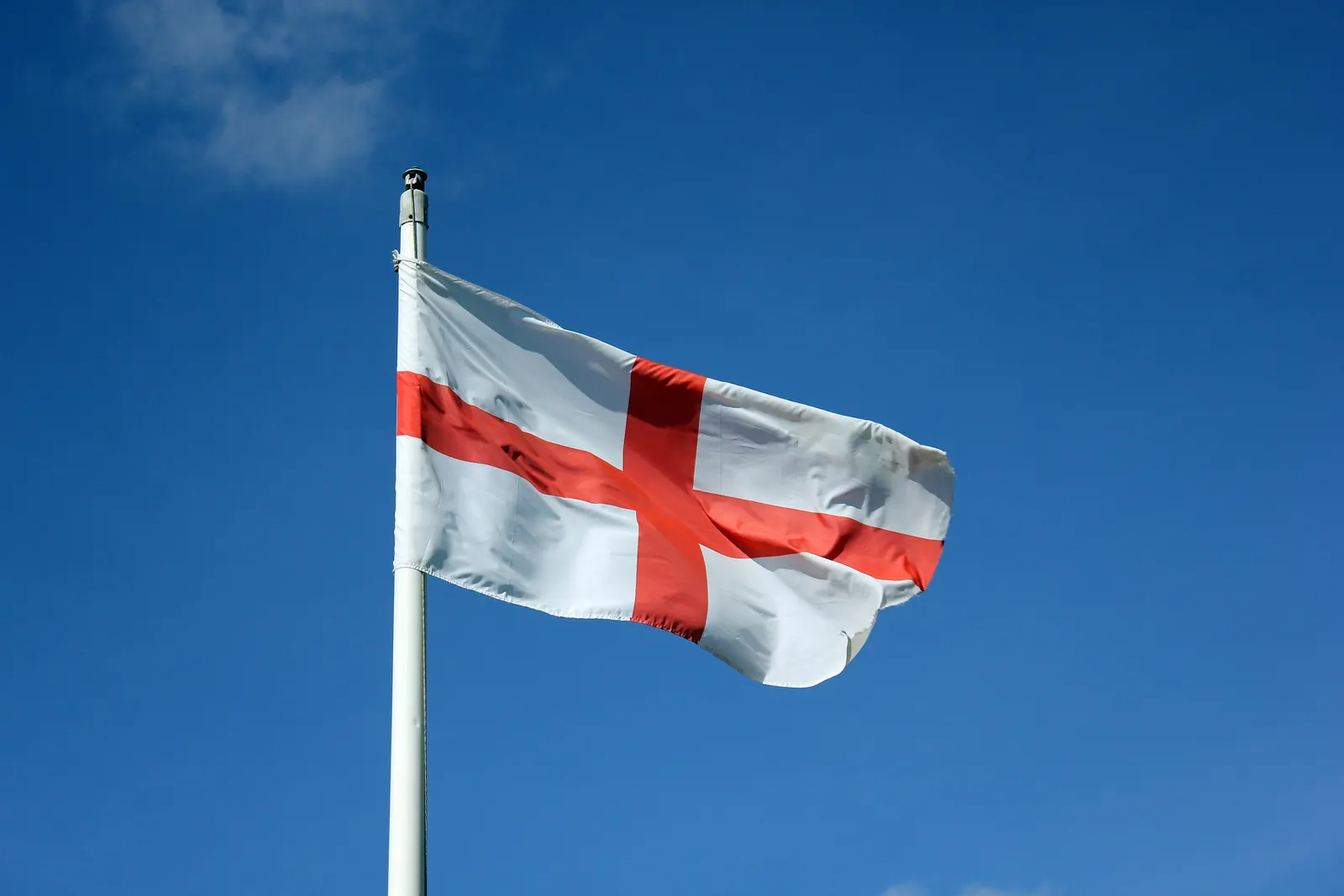
The Union Flag combines three national crosses:
| Cross | Nation | Design |
|---|---|---|
| St George | England | red cross on white |
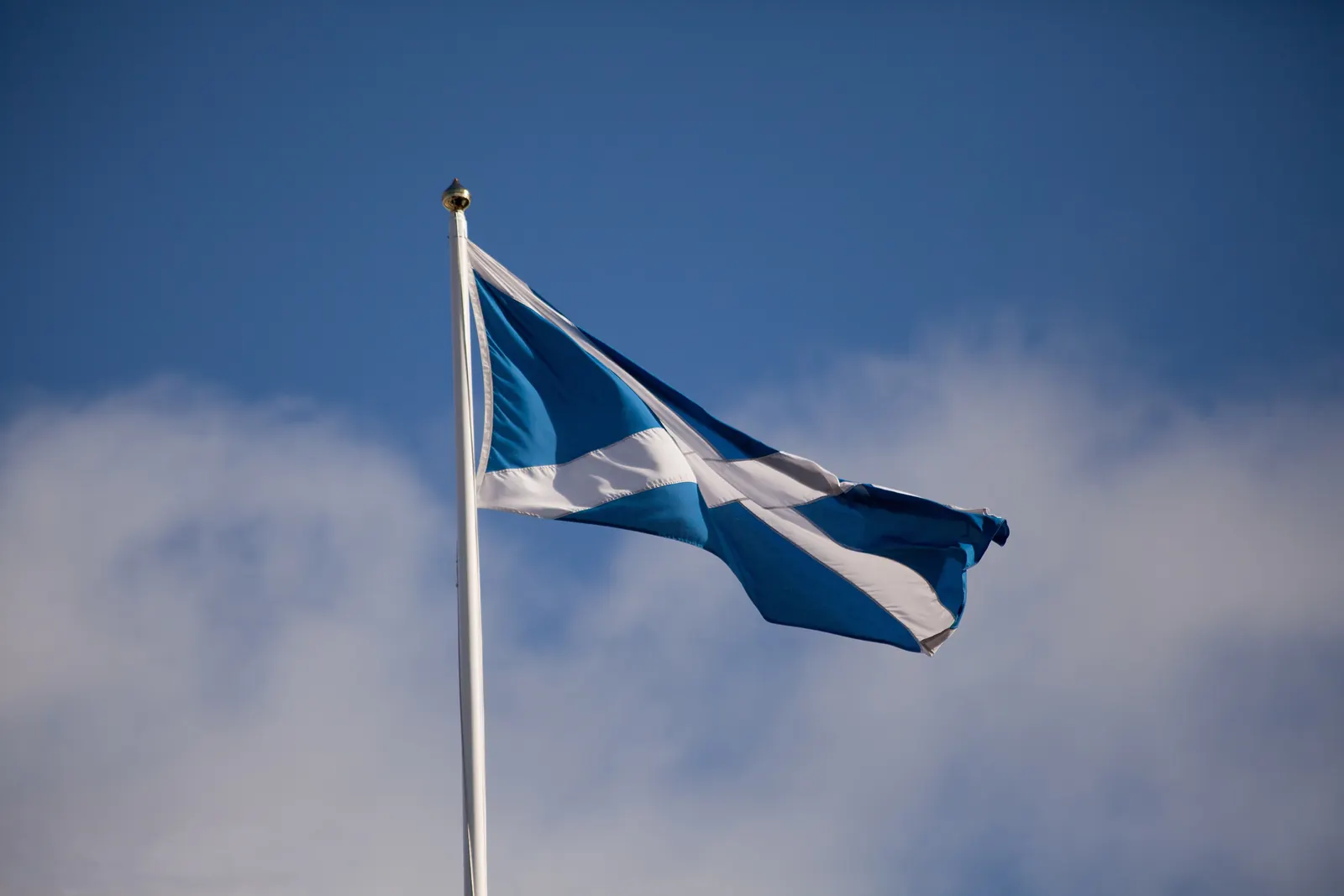
| St Andrew | Scotland | white diagonal cross (saltire) on blue |
| St Patrick | Ireland | red diagonal cross on white |
According to the government, the first Union Flag was created in 1606 and combined the flags of England and Scotland. The present Union Flag dates from 1801, when, according to the Flag Institute, St Patrick’s Cross was added to represent Ireland. The Flag Institute notes that this is when it became possible to display the flag, incorrectly, upside down. Wales is not represented in the Union Flag; its own national flag is the Red Dragon.
The design
According to the Flag Institute’s specification:
- The flag comprises three crosses on a royal blue background: a red St George’s cross, a white St Andrew’s saltire and a red St Patrick’s saltire.
- Each diagonal is six units wide: three white, two red and one white.
- The broader white diagonal is uppermost at the hoist, nearest the flagpole, and the narrower white diagonal uppermost at the fly.
- A six-unit-wide red cross runs from edge to edge, with a two-unit-wide white border.
- The recommended colours are Pantone 280 C for royal blue and Pantone 186 C for red, with no specification for white.
The College of Arms, the Crown body responsible for heraldry in England, Wales and Northern Ireland, publishes its own approved designs of the Union Flag, as the government’s flag guidance notes.
Proportions
According to the Flag Institute, the normal proportions of the Union Flag for use on land are 3:5, and the customary proportions of ensigns for use at sea are 1:2. More in the guide to flag sizes.
The right way up
In the half of the flag nearest the flagpole, the wider diagonal white stripe is above the red diagonal stripe. According to the Flag Institute this is because Scotland’s St Andrew’s Cross takes precedence over Ireland’s St Patrick’s Cross, and flying the flag upside down is most improper. The Scottish Government describes the same rule in its guidance: the broader diagonal white stripe at the top left, nearest the flagpole.
A national flag by custom
According to the Flag Institute, there is no Flag Act in UK law: the Union Flag is the national flag by long-established custom and practice rather than by statute. The Flag Institute has tried to give it a basis in law, most recently through the Union Flag Bill in 2008, which was introduced under the Ten Minute Rule but did not progress beyond its first reading.
Union Flag or Union Jack?
Both names are used. According to the Flag Institute, the national flag may be called the Union Flag or the Union Jack. The government’s guidance uses “Union Flag”.
The flag today
The government encourages UK government buildings to fly the Union Flag all year round, and it is flown on designated days by command of the King. More in the guide to flag days, and about how flags and flagpoles developed in the guide to flagpole history.
Frequently asked questions
What do the crosses on the Union Flag represent?
The Union Flag combines the red cross of St George for England, the white diagonal cross of St Andrew for Scotland and the red diagonal cross of St Patrick for Ireland. According to the Flag Institute, St Patrick’s Cross was added in 1801.
When was the Union Flag created?
According to the UK government, the first Union Flag was created in 1606 and combined the flags of England and Scotland; the present Union Flag dates from 1801.
Is it called the Union Flag or the Union Jack?
Both. According to the Flag Institute, the national flag of the United Kingdom is the Union Flag, which may also be called the Union Jack.
What colours does the Union Flag have?
The Flag Institute’s recommended specification gives Pantone 280 C for the royal blue and Pantone 186 C for the red, with no specification for white. As the flag has no basis in law, there are no legally defined colours.
Sources
This guide is based on the following sources:
- Union Flag flying guidance for UK government buildings – Department for Culture, Media and Sport
- Union Flag specification – The Flag Institute
- UK flag protocol – The Flag Institute
- Flag flying on government buildings: guidance – Scottish Government
Related guides
- Flagpole historyFrom the first Union Flag of 1606 and naval ensigns to the flag rules of 2012 and 2021: how flags and flagpoles developed in the UK and why sea terms remain.
- Flag typesThe flags flown in the UK: the Union Flag, the national flags of England, Scotland and Wales, ensigns, the Royal Standard, county and house flags and pennants.
- Flag sizesWhat size flag suits a flagpole: the Flag Institute’s one-third guide, a size chart by pole height, the 3:5 and 1:2 proportions and UK planning limits.
- Flag daysAll designated days for flying the Union Flag on UK government buildings in 2026 and 2027, with the separate rules for Scotland and Northern Ireland.