History of flags and flagpoles in the UK
Published Written by Flagpole Guides
The history of the flagpole in the UK is closely tied to the sea. Many of the words used for flagpoles today, from halyard and yardarm to gaff and masthead, come from the rigging of ships, and the proportions of the flag still differ between land and sea. On land, the rules for flags have been shaped by royal command, government guidance and, more recently, planning law.
The Union Flag from 1606 to 1801
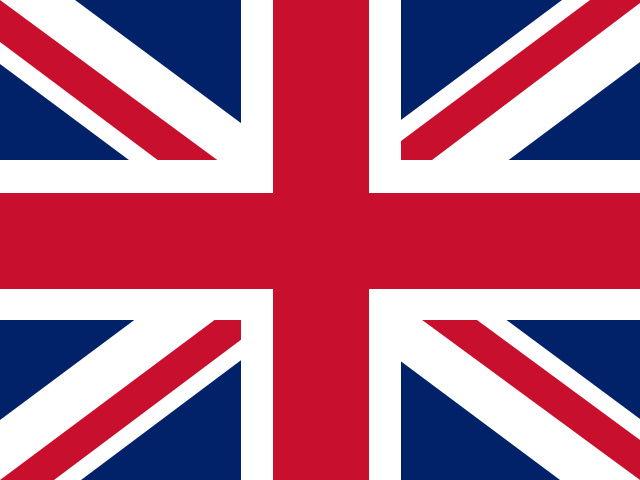
According to the UK government, the first Union Flag was created in 1606 and combined the flags of England and Scotland. The present Union Flag dates from 1801, when, according to the Flag Institute, St Patrick’s Cross was added to represent Ireland. The history and design of the flag are described in the guide to the Union Flag.
Flags at sea
At sea, flags show where a ship belongs. The UK distinguishes between flags for land and ensigns for use at sea and in the air:
- According to the Flag Institute, the Union Flag’s normal proportions on land are 3:5, while the customary proportions of ensigns at sea are 1:2.
- The undefaced Red Ensign is the civil ensign, and civilian marine facilities fly it as their national flag, according to the Flag Institute.
- The Flag Institute describes a Royal Navy method of folding the Union Flag, for example for a flag presented to the next of kin after a funeral.
Nautical terms on land
Flagpoles at sailing clubs, marinas and some public buildings still carry the rigging of a ship: a yardarm, a horizontal cross-piece, and a gaff, a short spar at an angle. According to the Flag Institute, the senior ensign flies from the gaff, the senior national flag from the starboard yardarm, and a yacht club burgee from the masthead. The British tradition of breaking a flag, hoisting it rolled up and releasing it with a tug on the halyard, is also described by the Flag Institute.
Union Flag or Union Jack
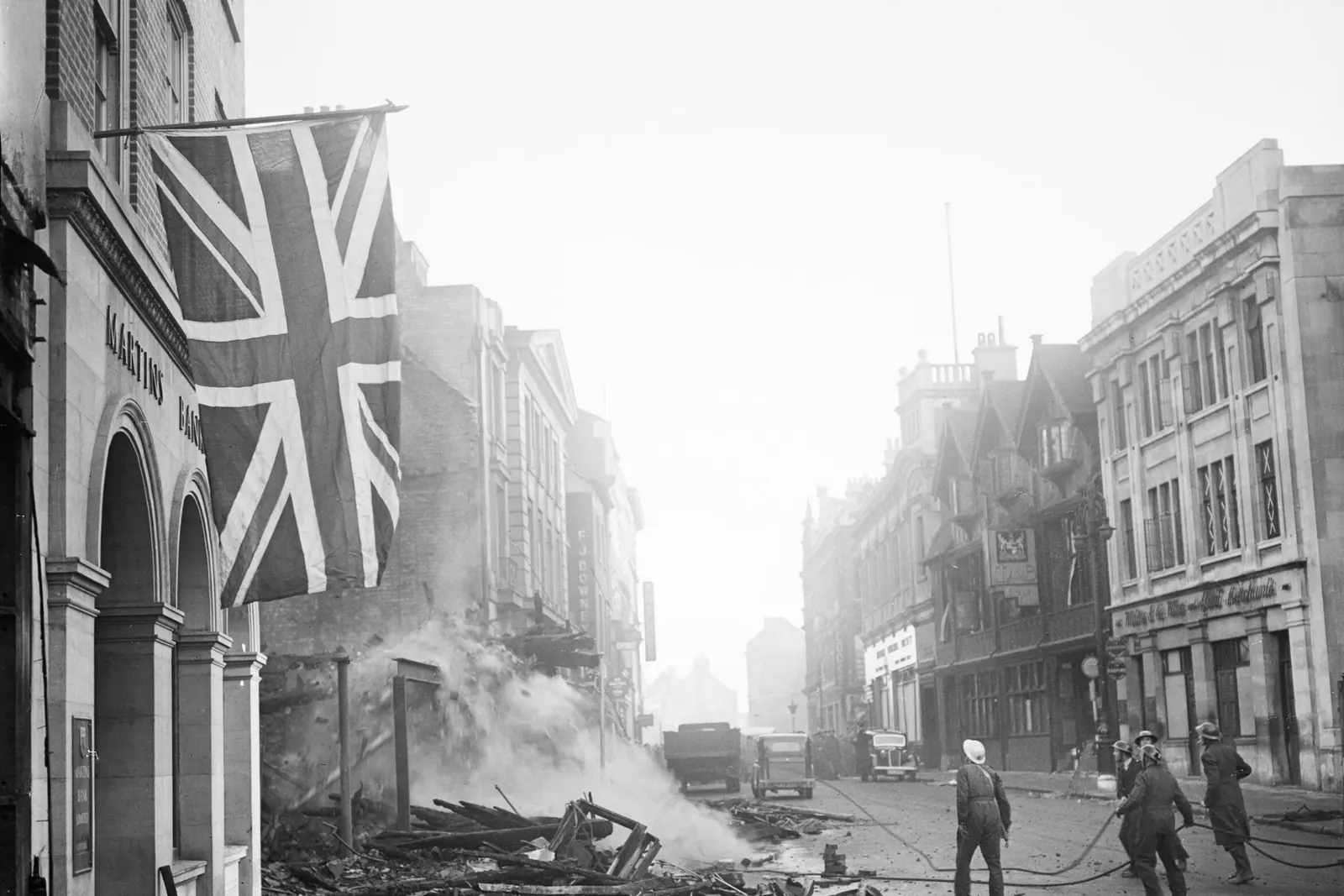
Both names have been used for a long time. The Flag Institute states that the national flag may be called the Union Flag or the Union Jack and refers to a House of Lords debate of 1908 on the question.
A national flag without a law
According to the Flag Institute, there is no Flag Act in UK law. The Union Flag is the national flag by long-established custom and practice. An attempt to change this, the Union Flag Bill of 2008, was introduced under the Ten Minute Rule but did not progress beyond its first reading.
Flag rules in recent decades
| Year | Development |
|---|---|
| 2000 | The Flags Regulations (Northern Ireland) 2000 set the days and buildings for flying the Union Flag on Northern Ireland government buildings |
| 2012 | New rules on flying flags in England come into force on 12 October, widening the flags that can be flown without consent |
| 2021 | Amendment regulations in force from 24 June allow two flags, including at least one national flag, on the same flagpole in England |
| after Brexit | The EU flag is no longer on England’s list of flags that need no consent |
Today, the government encourages UK government buildings to fly the Union Flag all year round, alongside designated days by command of the King. More in the guide to flag days.
Materials today
Wooden flagpoles are rare today. Aluminium and glass fibre poles are common, often with an internal halyard and a rotating top. More in the guides to flagpole materials and flag types.
Frequently asked questions
When did the Union Flag get its present design?
According to the UK government, the first Union Flag was created in 1606 and combined the flags of England and Scotland; the present Union Flag dates from 1801. The Flag Institute notes that St Patrick’s Cross was added then to represent Ireland.
Why do some flagpoles have a yardarm and gaff?
They come from the rigging of ships. Flagpoles at sailing clubs and marinas often carry a yardarm and gaff, and according to the Flag Institute, the senior ensign flies from the gaff and the senior national flag from the starboard yardarm.
When did the planning rules for flags change in England?
According to the government’s plain English guide, new rules on flying flags were introduced on 12 October 2012 and amended in 2021. According to the government’s flag guidance, the 2021 amendment regulations came into force on 24 June 2021 and allow two flags, including at least one national flag, to be flown from the same flagpole.
Sources
This guide is based on the following sources:
- Union Flag flying guidance for UK government buildings – Department for Culture, Media and Sport
- UK flag protocol – The Flag Institute
- Union Flag specification – The Flag Institute
- Flying flags: a plain English guide – Ministry of Housing, Communities and Local Government
- The Flags Regulations (Northern Ireland) 2000 – legislation.gov.uk
Related guides
- The Union FlagWhat the crosses of the Union Flag stand for, how it developed from 1606 to 1801, why it has no basis in law, its colours and proportions, and the right way up.
- Flag daysAll designated days for flying the Union Flag on UK government buildings in 2026 and 2027, with the separate rules for Scotland and Northern Ireland.
- Flag typesThe flags flown in the UK: the Union Flag, the national flags of England, Scotland and Wales, ensigns, the Royal Standard, county and house flags and pennants.
- Flagpole materialsAluminium, glass fibre, steel and wooden flagpoles compared: weight, corrosion, maintenance, conductivity and recycling – and the duty to keep a pole safe.