Flag flying rules in the UK
Published Written by Flagpole Guides
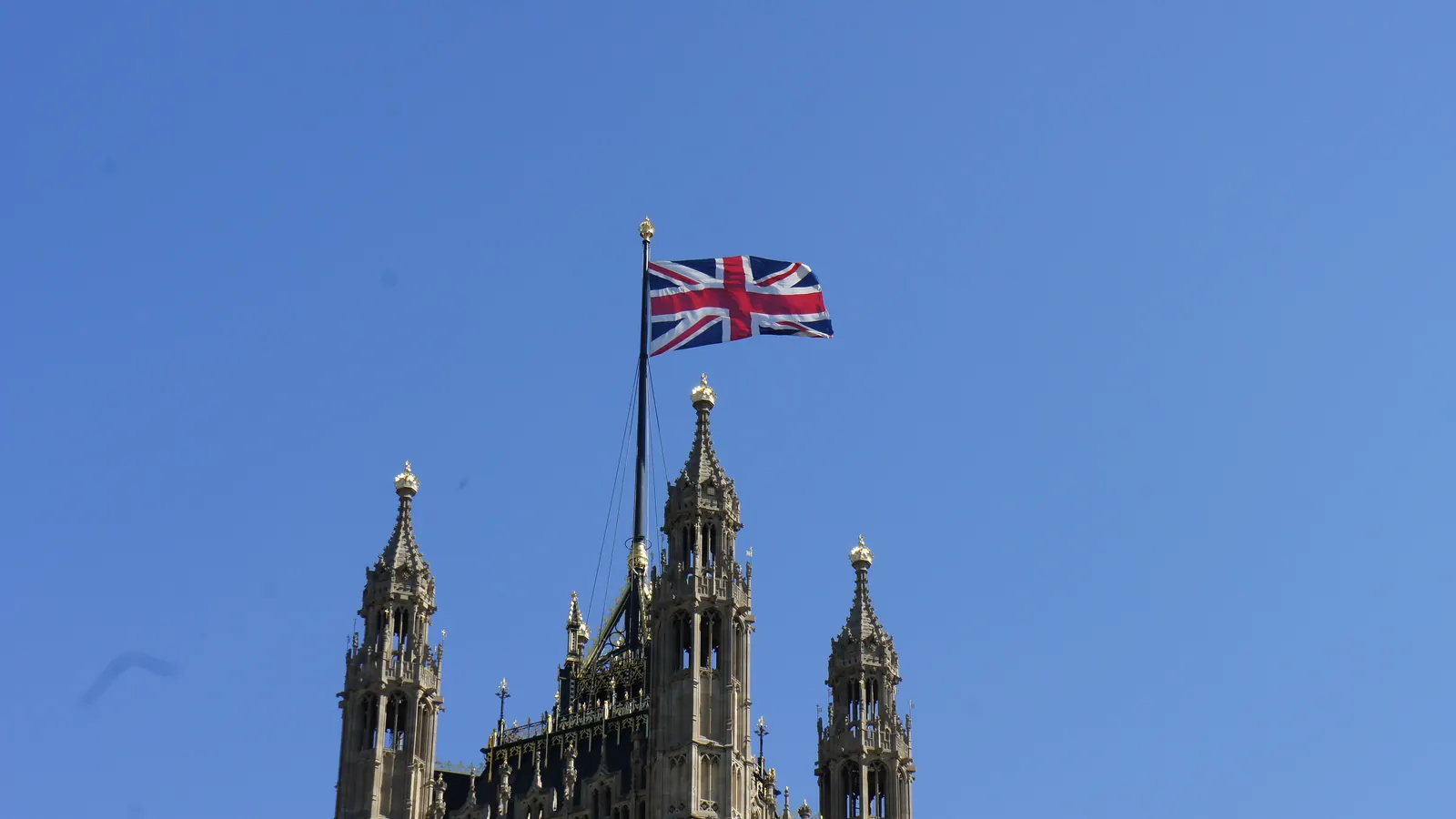
Many people assume that a law decides when and how a flag may be flown in the UK. In fact there is no Flag Act, and according to the Flag Institute the Union Flag is the national flag by long-established custom and practice rather than by statute. The practical rules come from four places: government guidance for government buildings, legislation for Northern Ireland’s government buildings, the planning regime for flags and flagpoles, and flag protocol as described by the Flag Institute.
Who may fly which flag
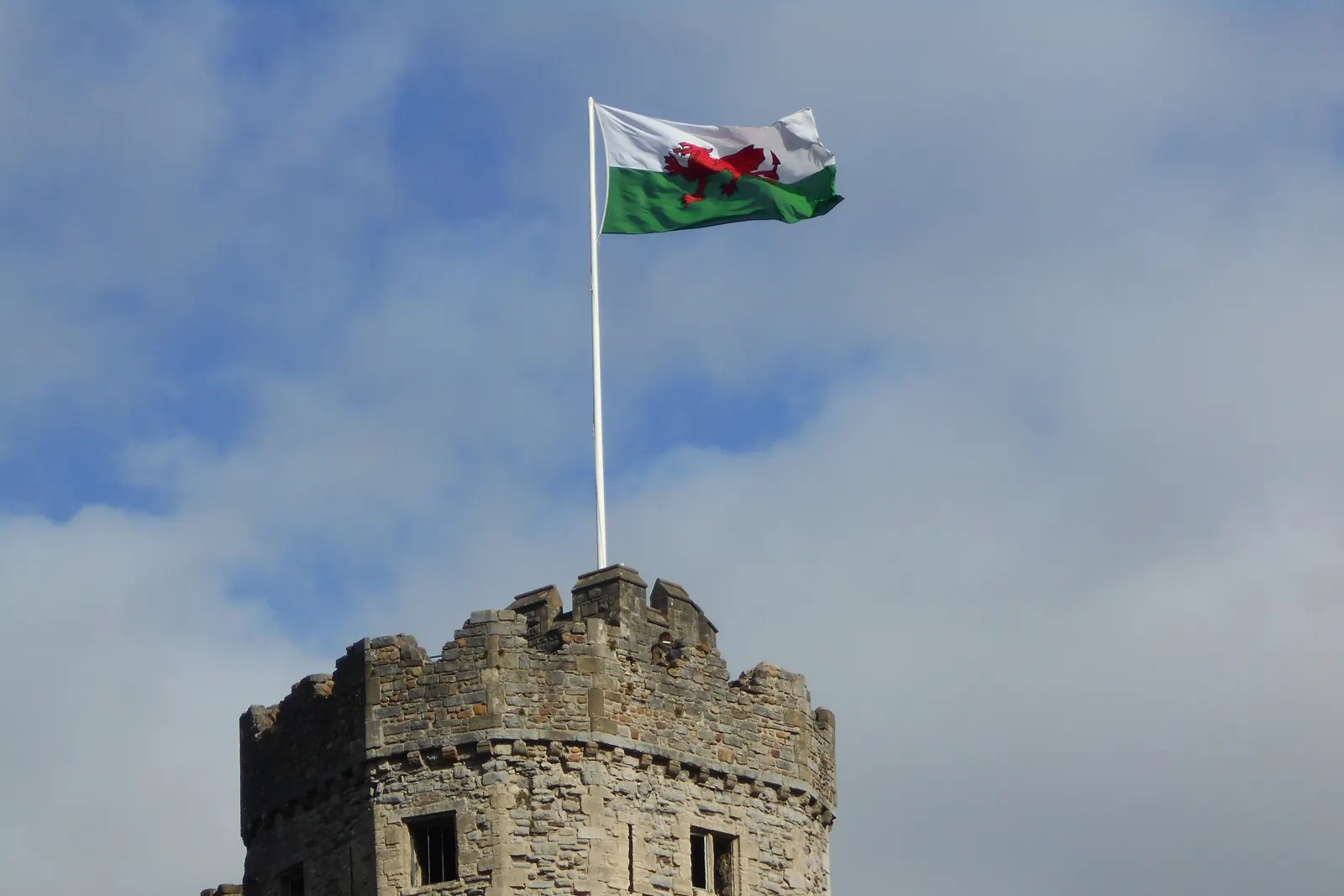
- National flags: According to the Flag Institute, no permission is needed to fly the national flags, meaning the Union Flag and the flags of England, Scotland and Wales. They are, in its words, excluded from most planning and advertising regulations, although flagpoles may not be.
- England: The government’s plain English guide lists flags that can be flown without advertisement consent, including any country’s national flag, the flags of St David and St Patrick, county and town flags, the Commonwealth and United Nations flags, flags of His Majesty’s forces and the Armed Forces Day flag.
- House and club flags: Company flags, sports club flags, the Rainbow flag and some award flags can be flown without consent in England, subject to limits on location and size. Other flags need express consent from the local planning authority.
- Royal Standard: According to the Flag Institute, the Royal Standard is flown only while the royal person is on the premises.
The planning details are in the guide to installing a flagpole.
Flying times
| Situation | What the sources say |
|---|---|
| Normal flying | From sunrise to sunset (Flag Institute) |
| At night | Flags may be flown at night when illuminated (Flag Institute) |
| Northern Ireland government buildings | From 8am until sunset on designated days (Flags Regulations (NI) 2000) |
| Every day | Government and local authority buildings in England, Scotland and Wales are encouraged to fly national flags every day of the year (Flag Institute) |
For private flagpoles there are no fixed times. More about flying a flag after dark is in the guide to flag lighting.
The right way up
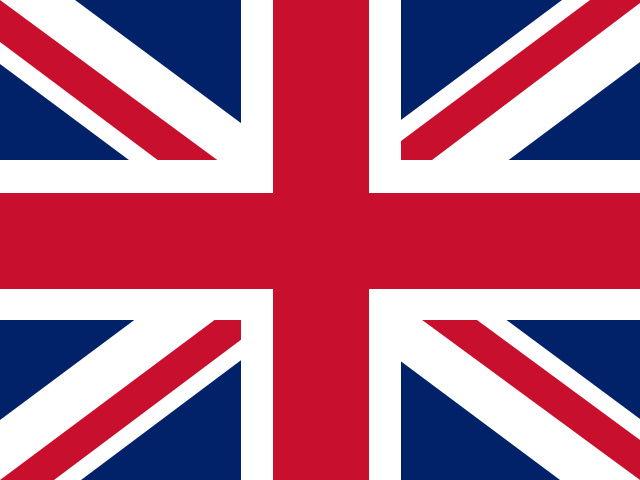
The Union Flag has a correct way up. According to the Flag Institute, in the half of the flag nearest the flagpole, the wider diagonal white stripe is above the red diagonal stripe, because St Andrew’s Cross of Scotland takes precedence over St Patrick’s Cross of Ireland. The Scottish Government’s guidance describes the same rule: the broader diagonal white stripe at the top left, nearest the flagpole. The Flag Institute calls flying the flag upside down most improper.
Flag etiquette according to the Flag Institute
- Dignity: The national flags are displayed only in a dignified manner and are not flown in a position inferior to any other flag.
- Condition: National flags are never flown worn, damaged or soiled, as this shows disrespect for the nations they represent.
- Not as decoration: The flags are not used as table or seat covers, or to mask boxes, barriers or the front of a platform. For a purely decorative effect, the Flag Institute points to flags of lesser status such as house flags, pennants or bunting.
- Order of hoisting: The senior British national flag is raised first and lowered last, unless all flags are raised and lowered together.
- Two flags on one pole: Two British flags can share a pole, with the senior flag at the top and a gap of about 30 cm between them. In England, the planning rules also allow two flags on one flagpole, with the Union Flag in the superior position.
The order of several flags is described in the guide to flag protocol, and half-mast in the guide to half-mast.
The pennant
According to the Flag Institute, a pennant, a long narrow streamer, is a solution to bare flagpoles and to flags wearing out quickly. Pennants are designed to be left flying day and night, and their narrow tail reduces wear. More about flag forms is in the guide to flag types.
Worn-out flags
According to the Flag Institute, a flag that is tattered or faded and no longer suitable for use is destroyed in a dignified way, for example by burning, tearing or cutting into strips that no longer resemble the original flag.
Frequently asked questions
Is it legal to fly the Union Flag at home?
Yes. According to the Flag Institute, no permission is needed to fly the national flags, and flags may be flown on every day of the year. In England, national flags are among the flags that can be flown from a flagpole without advertisement consent, according to the government’s plain English guide.
What time should the flag be raised and lowered?
There is no general law on flying times. According to the Flag Institute, flags are normally flown from sunrise to sunset. In Northern Ireland, the Flags Regulations (Northern Ireland) 2000 set 8am until sunset for designated days on government buildings.
Can a flag be flown at night?
According to the Flag Institute, flags may be flown at night, when they should be illuminated. There is no law against leaving a flag up overnight on a private flagpole.
Which way up does the Union Flag go?
According to the Flag Institute and the Scottish Government’s guidance, the broader diagonal white stripe is at the top in the half of the flag nearest the flagpole. The Flag Institute calls flying the flag upside down most improper.
What is the correct way to dispose of an old flag?
According to the Flag Institute, a flag that is tattered or faded and no longer suitable for use should be destroyed in a dignified way, for example by burning, tearing or cutting into strips that no longer resemble the original flag.
Sources
This guide is based on the following sources:
- UK flag protocol – The Flag Institute
- Union Flag flying guidance for UK government buildings – Department for Culture, Media and Sport
- Flying flags: a plain English guide – Ministry of Housing, Communities and Local Government
- Flag flying on government buildings: guidance – Scottish Government
- The Flags Regulations (Northern Ireland) 2000 – legislation.gov.uk
Related guides
- Flag daysAll designated days for flying the Union Flag on UK government buildings in 2026 and 2027, with the separate rules for Scotland and Northern Ireland.
- Half-mastWhat half-mast means in the UK: how far down the flag flies, how it is raised and lowered, when flags go to half-mast and when a black mourning ribbon is used.
- Flag lightingFlying a flag at night in the UK: what flag protocol says about illumination, light as a statutory nuisance, and electrical rules for fixed floodlights.
- Flag typesThe flags flown in the UK: the Union Flag, the national flags of England, Scotland and Wales, ensigns, the Royal Standard, county and house flags and pennants.