Flag types: national flags, ensigns, pennants and more
Published Written by Flagpole Guides
The UK flies more kinds of flag than most countries: a union flag made of three crosses, the national flags of its nations, ensigns at sea and in the air, royal banners, county flags and house flags. They differ in what they represent, who may fly them and where they rank in the order of precedence. This guide describes the main types and forms.
National flags
| Flag | Description |
|---|---|
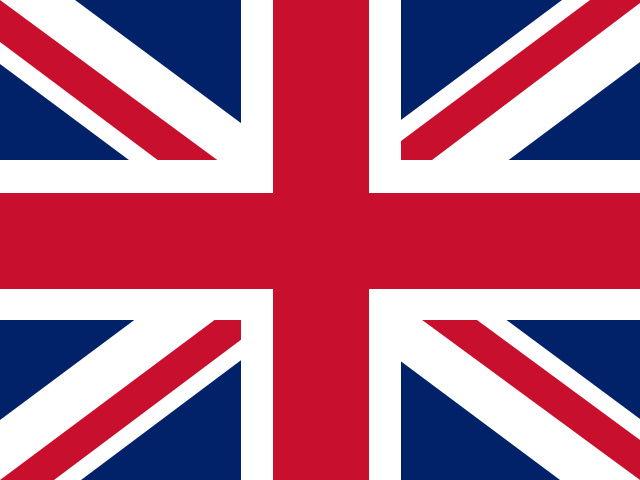
| Union Flag (Union Jack) | The national flag of the UK, the Crown Dependencies and the Overseas Territories |
| Flag of St George | Red cross on white, the national flag of England |
| Saltire (St Andrew’s Cross) | White diagonal cross on blue, the national flag of Scotland |
| Red Dragon | The national flag of Wales |
| Flag of St Patrick | Red diagonal cross on white, listed separately in England’s planning rules |
According to the government’s plain English guide, the flags of St George and St Andrew are recognised as the national flags of England and Scotland, while the flags of St David and St Patrick are listed separately, as they do not necessarily fall into the category of a country’s national flag. All of them can be flown in England without advertisement consent. The history and design of the Union Flag are in the guide to the Union Flag.
Ensigns
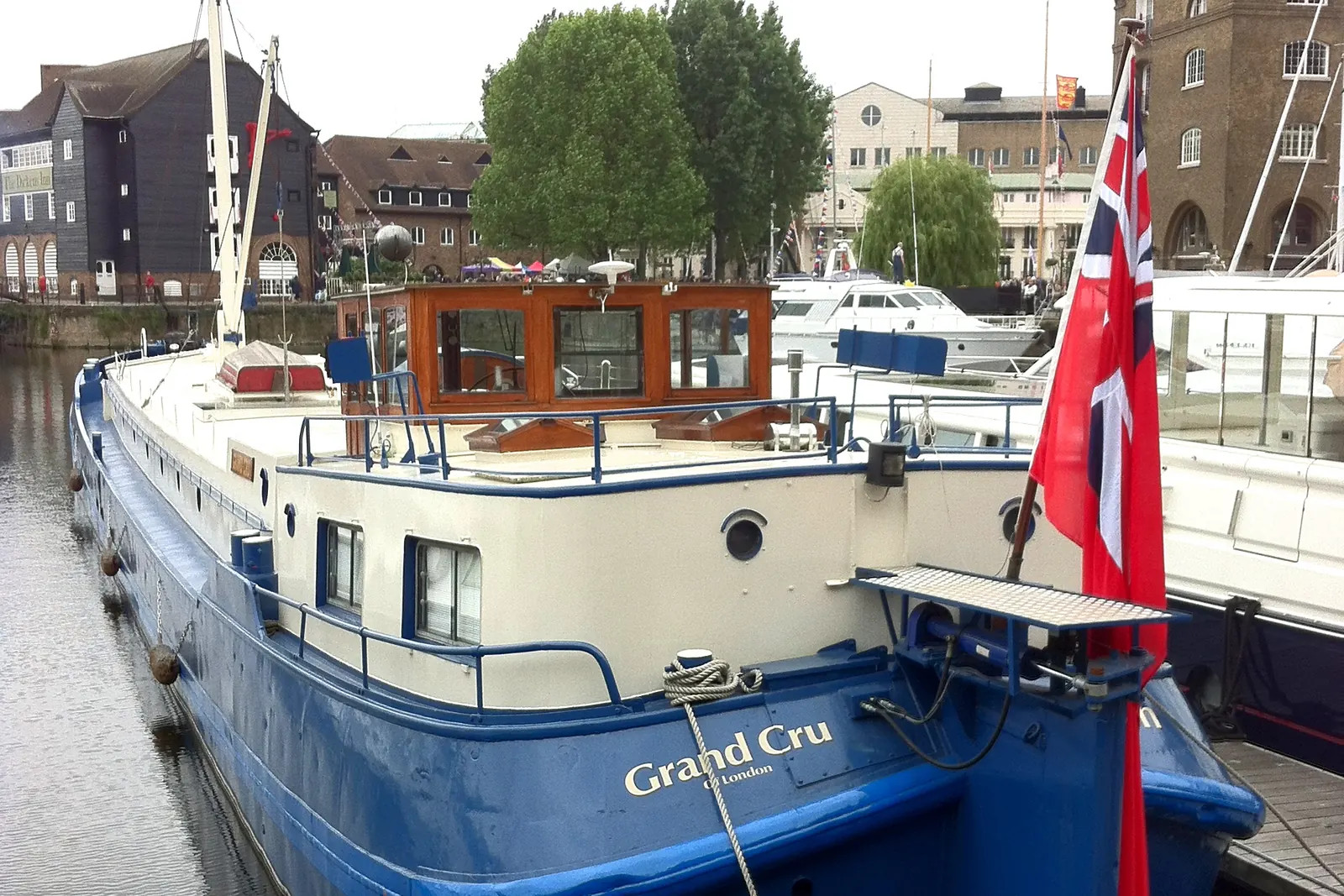
Ensigns are national flags for use at sea and in the air. According to the Flag Institute:
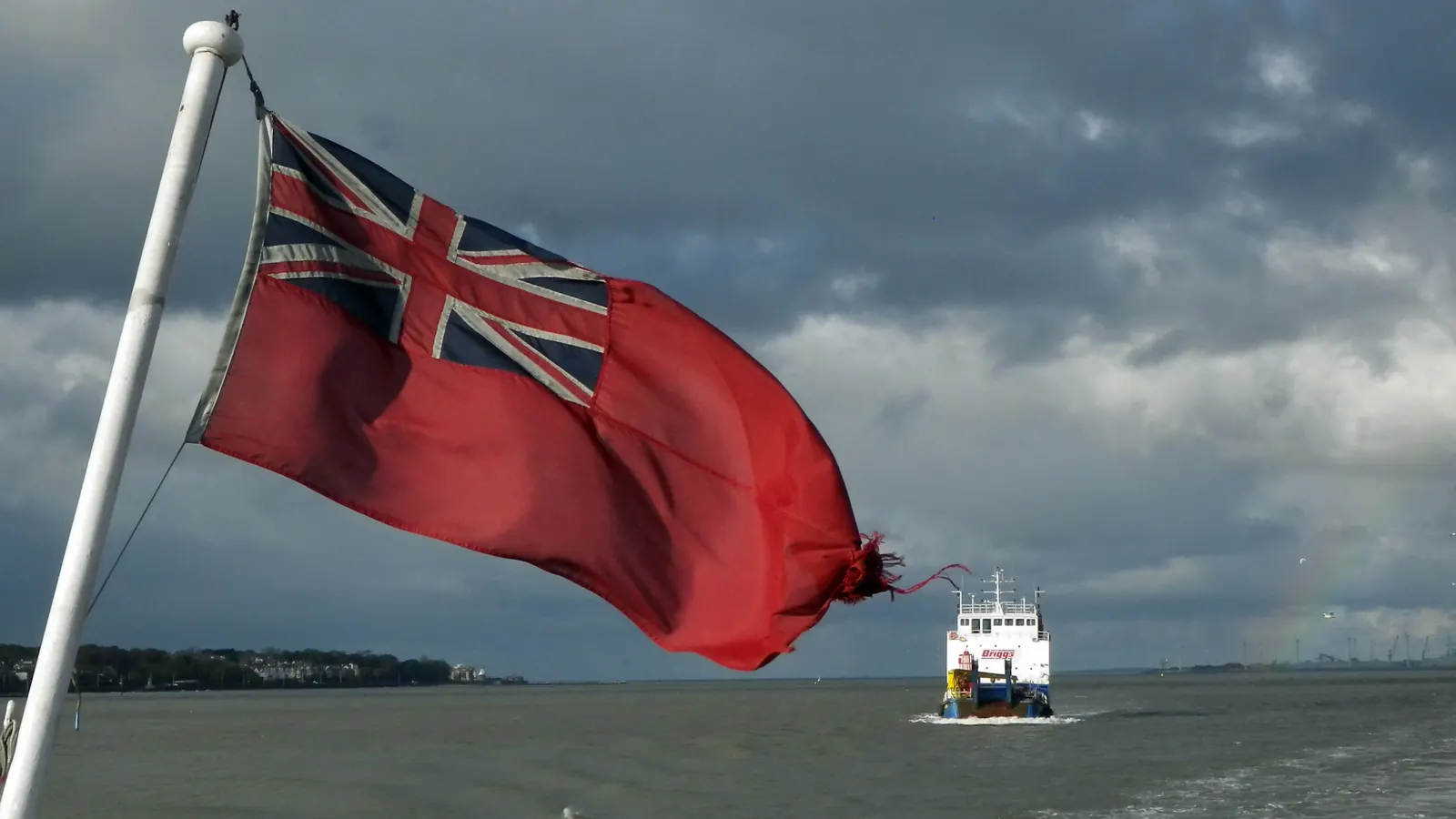
- Civil Ensign: the undefaced Red Ensign, flown by civilian marine facilities as their national flag unless they hold a warrant for a special ensign.
- Civil Air Ensign: flown at civilian air facilities such as airports and airfields as their national flag, instead of the Union Flag.
- Special ensigns: organisations with a warrant fly their own ensign.
In England, any country’s civil ensign or civil air ensign can be flown without advertisement consent.
Royal flags
The Royal Standard, in the Flag Institute’s words actually the Royal Banner, takes precedence over all other flags in the UK. It is flown only while the royal person is on the premises and never flies at half-mast. In Scotland, the Royal Banner of the Royal Arms of Scotland, the Lion Rampant, is the King’s official banner there; according to the Scottish Government it may be used only by the Sovereign or his Great Officers acting in that capacity.
County, town and house flags
- County and town flags: In England, the flag of any island, county, district, borough, parish, city, town or village within the UK, and of historic counties and regions such as Wessex or the Black Country, can be flown without consent.
- House flags: a flag displaying the name, emblem or trademark of the company or person occupying the building. In England it can be flown without consent subject to restrictions on location and size.
- Banners of arms: heraldic flags that rank below town flags in the Flag Institute’s order of precedence.
Forms of flag
- Flag on a flagpole: the usual form, hoisted on a halyard.
- Pennant: a long, narrow streamer. According to the Flag Institute it is designed to be left flying day and night, keeps a flagpole from standing bare and wears less than a full-size flag.
- Dress flag: for interior or parade use, sometimes made of silk or satin with a decorative fringe on three sides.
- Car flag: according to the Flag Institute, placed on a staff on the front-right wing, or in the centre of the front of the bonnet or roof.
- Flag on a projecting pole: a flag on a pole projecting from a building. In England, such a flag can be up to 2 square metres without consent if it is a permitted house or club flag, outside controlled areas.
Flags that are not national flags
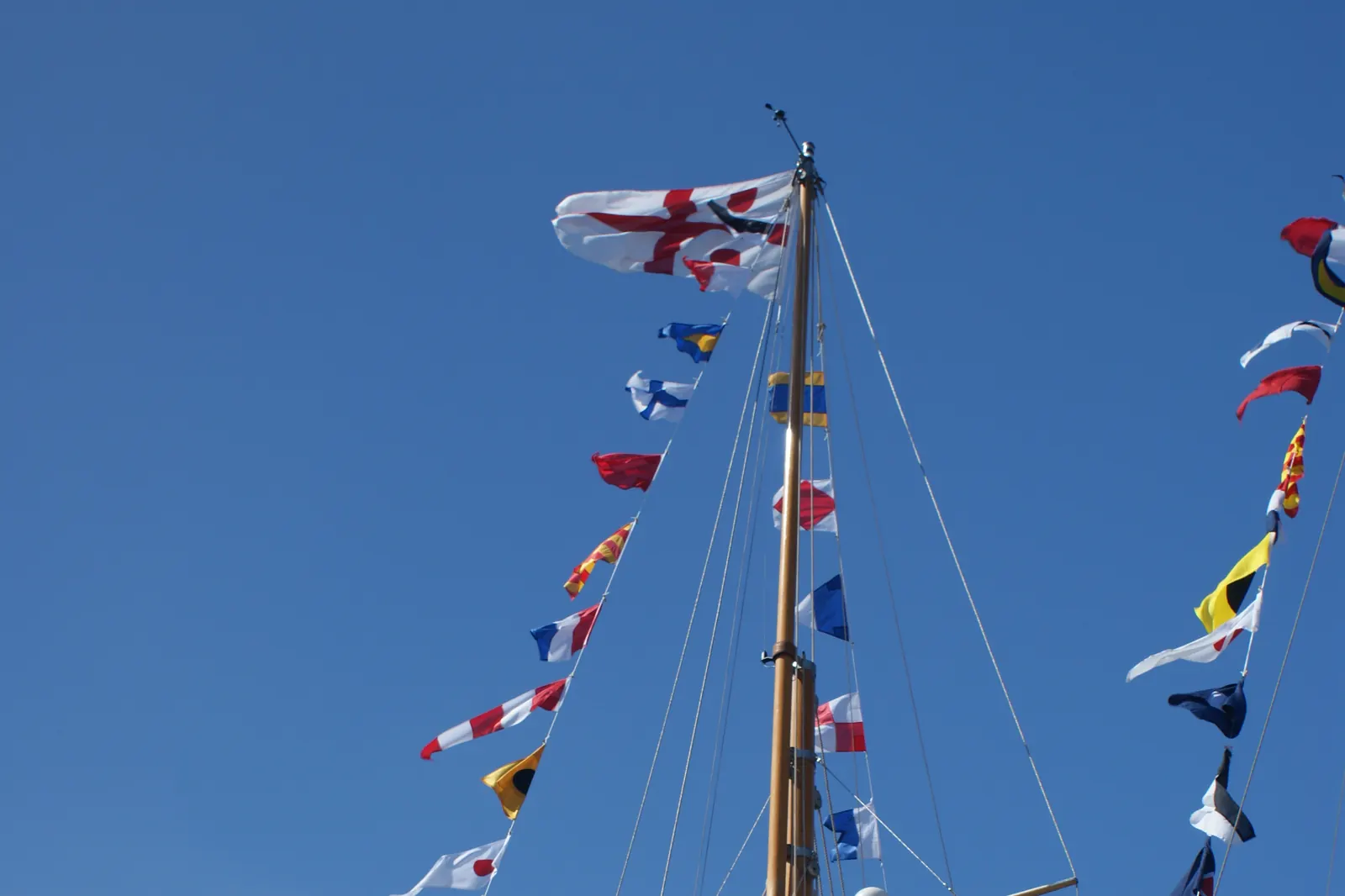
The Flag Institute points out that where a purely decorative effect is wanted, flags of lesser status, such as house flags, pennants or bunting, are better suited than national flags. Sizes and proportions are in the guide to flag sizes, and the calculator in the flag size calculator.
Frequently asked questions
What is the difference between the Union Flag and the Union Jack?
They are the same flag. According to the Flag Institute, the national flag of the United Kingdom is the Union Flag, which may also be called the Union Jack.
What is the Red Ensign?
The undefaced Red Ensign is the UK’s civil ensign. According to the Flag Institute, civilian marine facilities fly it as their national flag, unless they belong to an organisation that holds a warrant for a special ensign.
Can anyone fly the Royal Standard?
No. According to the Flag Institute, the Royal Standard is flown only while the royal person is on the premises. The Scottish Government’s guidance states that the Royal Standard may not be flown without permission from His Majesty The King.
What is a pennant used for?
According to the Flag Institute, a pennant is a long, narrow streamer-like flag designed to be left flying day and night. It keeps a flagpole from standing bare and wears less than a full-size flag.
Sources
This guide is based on the following sources:
- UK flag protocol – The Flag Institute
- Union Flag specification – The Flag Institute
- Flying flags: a plain English guide – Ministry of Housing, Communities and Local Government
- Flag flying on government buildings: guidance – Scottish Government
Related guides
- Flag sizesWhat size flag suits a flagpole: the Flag Institute’s one-third guide, a size chart by pole height, the 3:5 and 1:2 proportions and UK planning limits.
- The Union FlagWhat the crosses of the Union Flag stand for, how it developed from 1606 to 1801, why it has no basis in law, its colours and proportions, and the right way up.
- Flag flying rulesUK flag flying rules and etiquette: who may fly which flag, flying times, flying at night, the right way up for the Union Flag and retiring worn-out flags.
- Flag size calculatorThe flag size calculator shows the largest flag for a flagpole by the Flag Institute’s one-third guide, in centimetres and feet, at 3:5 and 1:2 proportions.