Flagpole lifespan and sustainability
Published Written by Flagpole Guides
A flagpole is a long-lasting purchase; a flag is a wearing part. How long each lasts depends less on a fixed number than on material, site, wind and care. At the end of their life, most parts can be separated and recycled or disposed of.
What decides the lifespan
| Factor | Effect |
|---|---|
| Material | aluminium and galvanised steel hardly corrode, wood needs more care, glass fibre weathers at the surface |
| Exposure | coastal and open sites load pole, halyard and flag more |
| Flag size | large flags increase the forces at the base and material fatigue |
| Flying every day | flag, halyard and pulley wear faster |
| Care | wearing parts replaced in time prevent further damage |
| Foundation | moisture and frost affect a poorly made foundation |
Pole and wearing parts
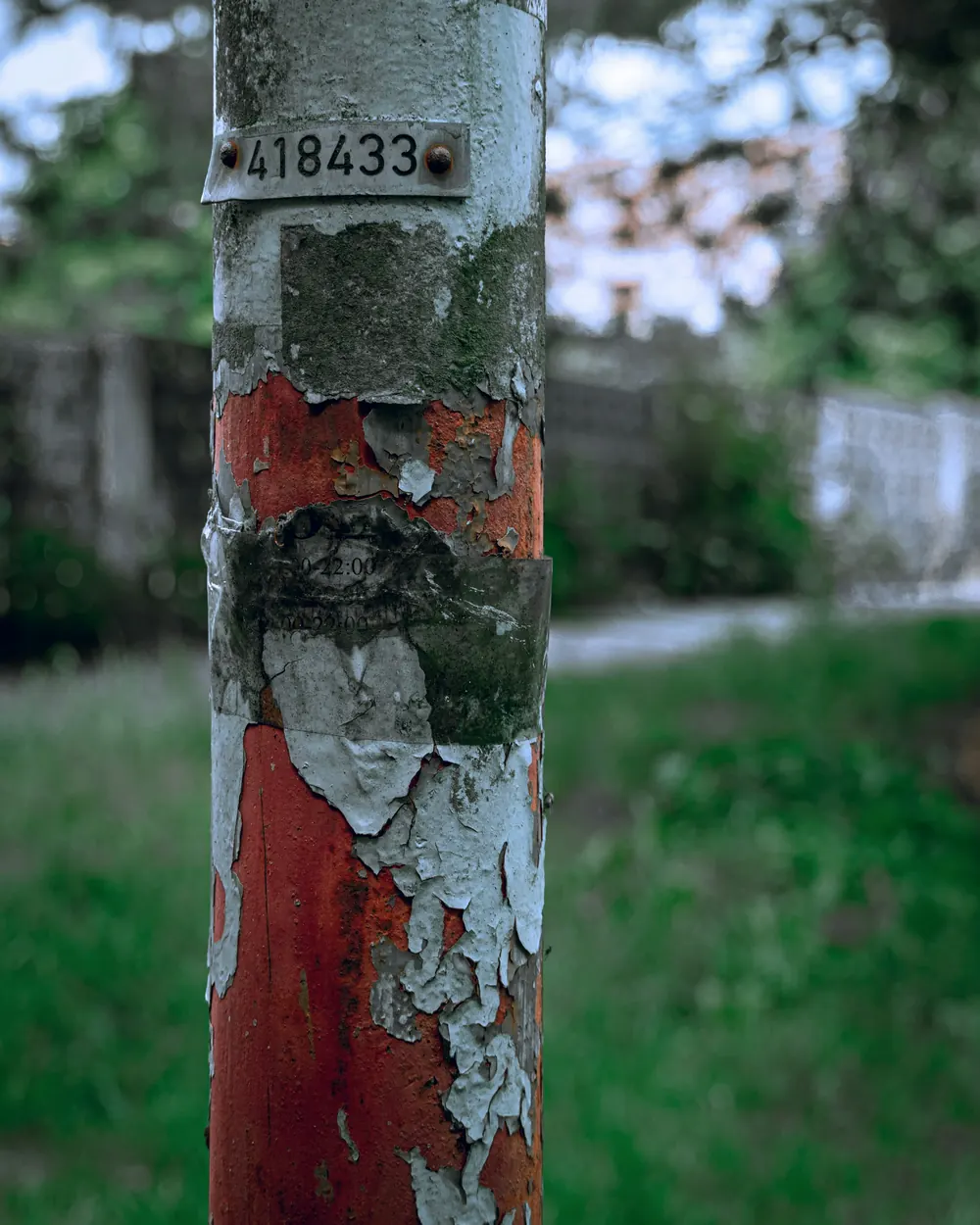
Aluminium and galvanised steel poles are designed for long use. Halyards, pulleys, clips and rotating tops are usually replaced several times in that period. Under the Occupiers’ Liability Act 1957, the occupier of premises owes visitors a duty to take reasonable care that they will be reasonably safe, which includes a pole that is past its best. Signs that a pole is reaching the end of its life are cracks at the base, heavy corrosion, a bent pole and a pole that moves in its foundation. More in the guide to flagpole repair.
The flag
The flag wears fastest, especially at the fly end. How long it lasts depends heavily on how often it flies. According to the Flag Institute, flags can wear out quickly, especially in adverse conditions, and a pennant is a solution: it is designed to fly day and night, and its single attachment point and narrow tail reduce wear. National flags are never flown worn or damaged, according to the Flag Institute, so a flag flown every day is replaced more often.
Recycling and disposal
- Aluminium and steel: metals that can be recycled.
- Glass fibre: harder to recycle; disposal routes vary by area.
- Wood: treated and untreated wood are handled differently.
- Flags: according to the Flag Institute, a flag no longer fit for use is destroyed in a dignified way, for example by burning, tearing or cutting into strips that no longer resemble the original flag.
- Foundation: the old foundation often stays in the ground if a new pole fits the existing socket or hinged base.
The local council runs recycling and waste collections and can say where large items are accepted.
Flying flags sustainably
Sustainability starts with the choice: a pole that suits the flag size and the exposure of the site is loaded less and lasts longer. A smaller flag in storms, halyards replaced in time and a pennant on days without a flag reduce wear, and LED floodlights keep the energy use of lighting low. More in the guides to flagpole materials and flagpole maintenance.
Frequently asked questions
How long does a flagpole last?
There is no fixed lifespan. It depends on the material, the wind load, the flag size, the site and the care it gets. Aluminium and galvanised steel poles can last many years with care; wearing parts such as the halyard, pulley and clips are usually replaced several times in that period.
What are the signs that a flagpole needs replacing?
Typical signs are cracks, especially at the base, heavy corrosion, a bent pole or a pole that moves in its foundation. Such damage affects whether the pole stands safely. The manufacturer or a specialist firm can assess whether it can be repaired.
How is an old flagpole disposed of?
Aluminium and steel are metals that can be recycled; glass fibre is harder to recycle. The local council runs recycling and waste services and can say where large items are accepted.
How can a flag last longer?
A flag flown only on selected days wears much more slowly than one flown every day. Taking it down in storms and drying it before storage also help. According to the Flag Institute, a pennant is designed to fly day and night and wears less than a full-size flag.
Sources
This guide is based on the following sources:
- Recycling collections – UK government
- UK flag protocol – The Flag Institute
- Occupiers’ Liability Act 1957, section 2 – legislation.gov.uk
Related guides
- Flagpole materialsAluminium, glass fibre, steel and wooden flagpoles compared: weight, corrosion, maintenance, conductivity and recycling – and the duty to keep a pole safe.
- Flagpole maintenanceWhat is usually checked when a flagpole is maintained – pole, foundation, halyard, pulley and flag – why upkeep matters for liability, and retiring old flags.
- Flagpole repairBroken halyard, jammed pulley, rattling clips, a leaning pole or cracks at the base: common flagpole faults, their causes and who usually deals with them.
- Flag flying rulesUK flag flying rules and etiquette: who may fly which flag, flying times, flying at night, the right way up for the Union Flag and retiring worn-out flags.