Flagpoles for businesses: house flags, consent and duties
Published Written by Flagpole Guides
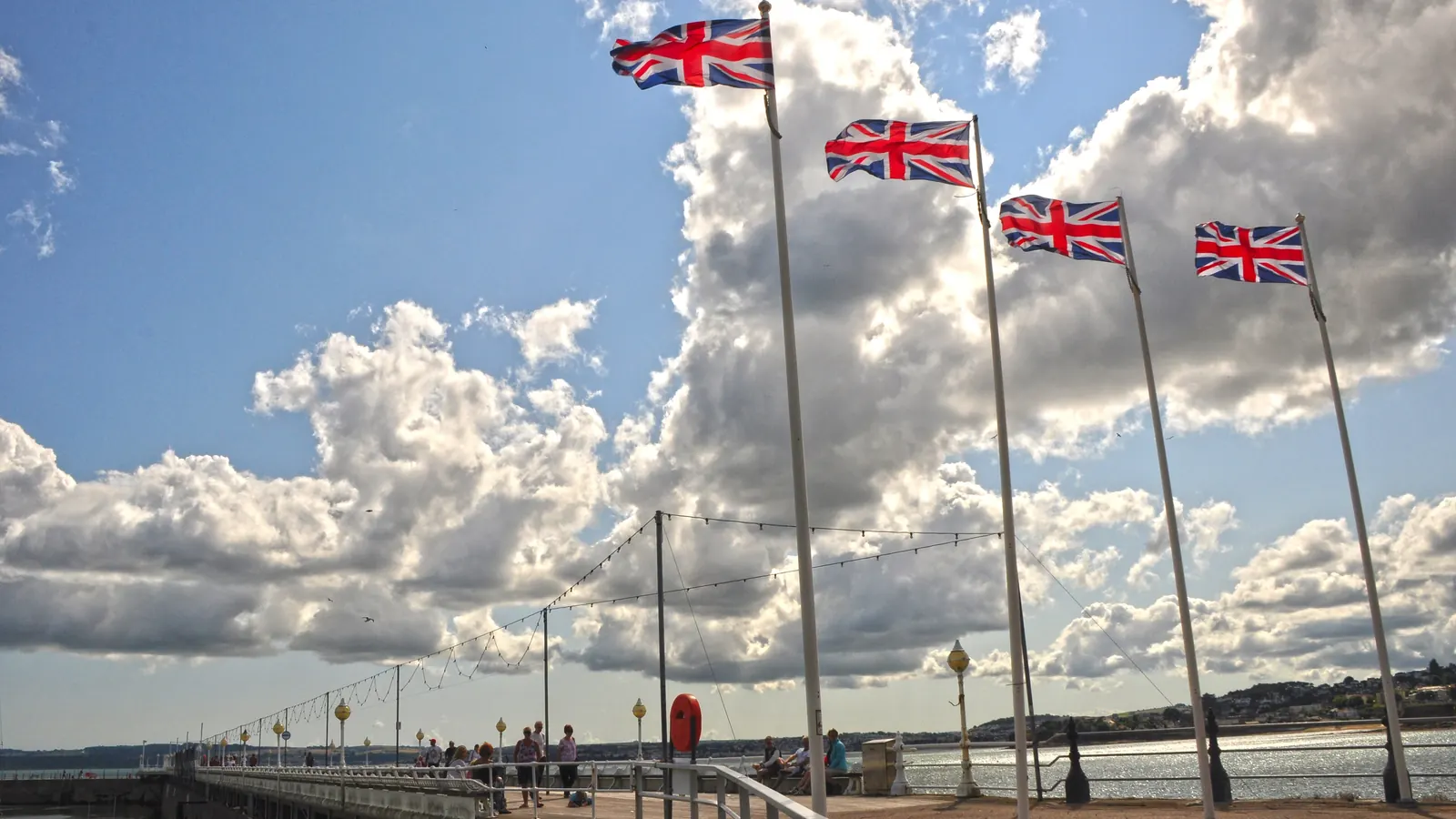
Flagpoles are a familiar sight at car dealerships, hotels, business parks and company headquarters. For a business, a flag is both marketing and a gesture of welcome, but it comes with duties: in England a company flag is an advertisement under planning law, national flags have their place in the order of precedence, and the business is responsible for safety and for staff who work at height.
Company flags and advertisement consent in England
In England, flags are treated as advertisements under the Town and Country Planning (Control of Advertisements) (England) Regulations 2007. According to the government’s plain English guide, a house flag, a flag displaying the name, emblem, device or trademark of the company occupying the building, or referring to a specific event of limited duration taking place there, can be flown without consent subject to restrictions:
| Location | Restriction |
|---|---|
| Vertical flagpole on the roof | one flag, or two if one is a flag that needs no consent; no limit on flag size |
| Flagpole projecting from the building | flag no more than 2 square metres; consent needed in controlled areas |
| Flagpole in the grounds of the building | pole no more than 4.6 metres above ground; consent needed in controlled areas |
| Characters in controlled areas | no more than 0.75 metres high, 0.3 metres in an area of special control |
Controlled areas include conservation areas, National Parks, the Broads and areas of outstanding natural beauty. The guide also sets out which combinations of roof, projecting and ground poles are allowed without consent. Flags outside these categories need express consent from the local planning authority. According to the UK government, flag flying in Scotland is outside the advertisement control regime; the local council can confirm the rules elsewhere.
Standard conditions
According to the government’s plain English guide, all flags in England are maintained in a condition that does not impair the visual appearance of the site, kept in a safe condition, flown with the permission of the owner of the site, and placed so that they do not obscure or hinder road, rail, waterway or aircraft signs.
Company flags next to national flags
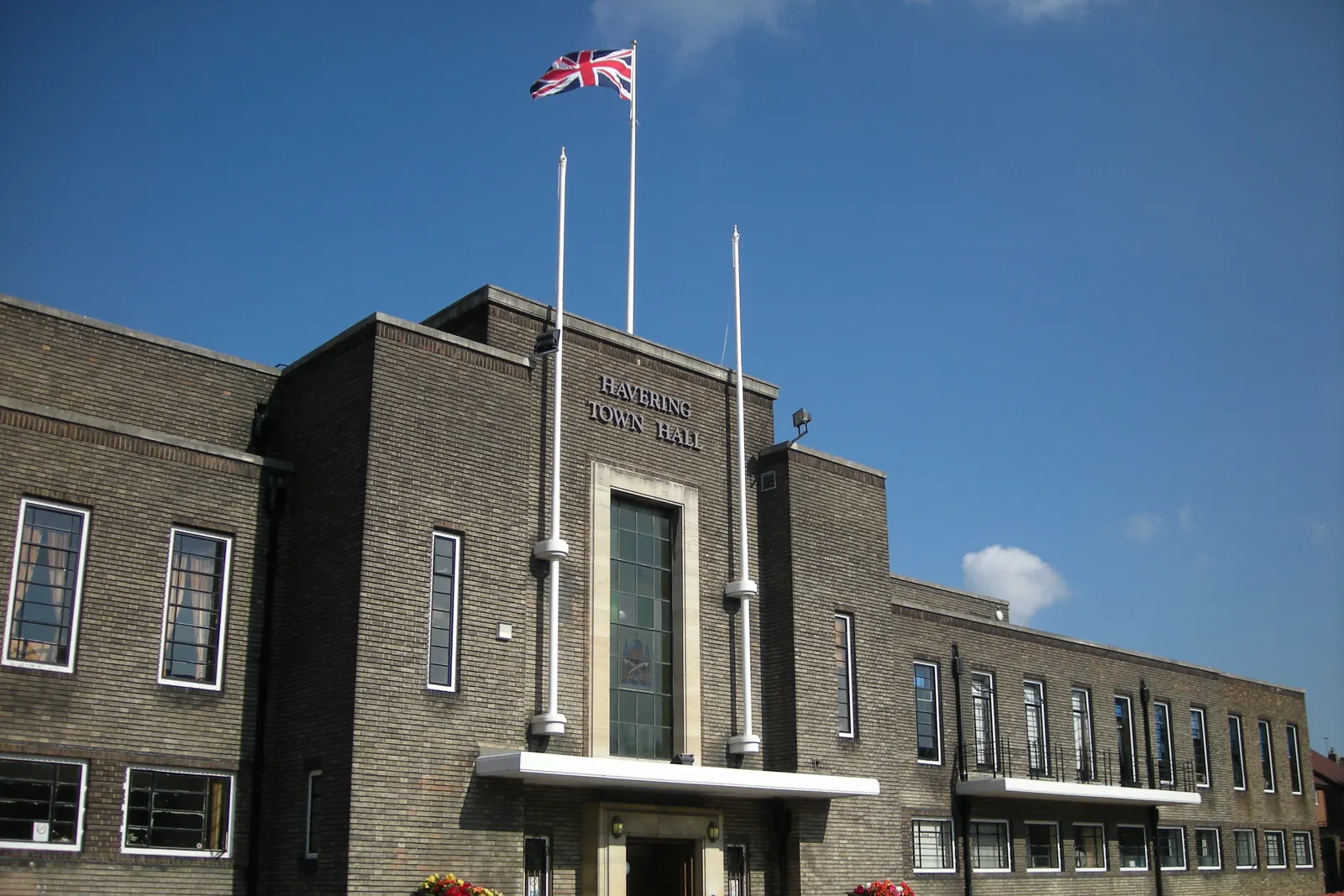
According to the Flag Institute, house flags come last in the order of precedence, after Royal Standards, the Union Flag, the flag of the host country, other national flags, the Commonwealth and EU flags, county and town flags and banners of arms. The national flags of the UK are not flown in a position inferior to any other flag.
- Several poles: the senior national flag takes the superior position, for example the first pole on the left seen from the main entrance.
- One pole, two flags: in England, two flags can share a pole without consent if one is a flag that needs no consent and flies in the superior position.
- A higher pole: if one pole is higher, the senior national flag can fly from it and the other poles can carry junior flags such as county and house flags.
More in the guide to flag protocol, and about flags of visiting guests in the guide to foreign flags in the UK.
Flag days and mourning
Businesses are not required to fly flags on the designated days or to join official mourning. A company flag policy can set out when national flags are flown, whether the company flag is taken down then, and what happens during mourning. The dates are in the guide to flag days, and the procedure in the guide to half-mast.
Safety and staff
- Liability: under section 2 of the Occupiers’ Liability Act 1957, the occupier of premises owes visitors the common duty of care. Regular, recorded checks can show the care that was taken.
- Work at height: for employers, the Work at Height Regulations 2005 aim to prevent death and injury from falls from height. According to the Health and Safety Executive, falls from ladders are among the common causes of such accidents, and ladders are a sensible option for low-risk, short-duration tasks but not automatically the first choice.
- Lighting: a floodlit flag stays visible at night. Artificial light that is a nuisance can be a statutory nuisance under the Environmental Protection Act 1990. More in the guide to flag lighting.
More about safety is in the guide to flagpole safety.
Frequently asked questions
Does a company flag need planning consent?
In England, a house flag displaying the name, emblem or trademark of the company occupying the building can be flown without consent, subject to restrictions: for example one flag on a roof pole, a flag of no more than 2 square metres on a projecting pole, and a pole of no more than 4.6 metres in the grounds. Other advertising flags need express consent from the local planning authority.
Where does a company flag fly next to the Union Flag?
According to the Flag Institute’s order of precedence, house flags come last, after the national flags, the Commonwealth flag, the European Union flag, county flags, town flags and banners of arms. In England, if a house flag shares a pole with a national flag, the national flag flies in the superior position.
Can a business fly two flags on one flagpole?
In England, two flags can be flown from the same flagpole without consent if one is from the list of flags that need no consent, such as a national flag, and flies in the superior position. The other can be a permitted house flag.
What health and safety rules apply to staff who raise flags?
For employers, the Work at Height Regulations 2005 aim to prevent death and injury from falls from height. The Health and Safety Executive describes ladders as a sensible option for low-risk, short-duration tasks, but not automatically the first choice.
Sources
This guide is based on the following sources:
- Flying flags: a plain English guide – Ministry of Housing, Communities and Local Government
- The Town and Country Planning (Control of Advertisements) (England) Regulations 2007 – legislation.gov.uk
- UK flag protocol – The Flag Institute
- Occupiers’ Liability Act 1957, section 2 – legislation.gov.uk
- Working at height: a brief guide (INDG401) – Health and Safety Executive
- Safe use of ladders and stepladders – Health and Safety Executive
- Environmental Protection Act 1990, section 79 – legislation.gov.uk
Related guides
- Foreign flags in the UKFlying another country’s flag in the UK: planning rules in England, the order of precedence, the EU flag after Brexit and the flags of proscribed groups.
- Flag lightingFlying a flag at night in the UK: what flag protocol says about illumination, light as a statutory nuisance, and electrical rules for fixed floodlights.
- Flag protocolThe order of precedence of flags in the UK, the superior position on one or several flagpoles, flags in a line or circle, on platforms and in processions.
- Flagpole safetyFlagpole safety in the UK: wind loads and weather warnings, occupiers’ liability, overhead lines, safe conditions for flags and the rules for work at height.