Flagpole heights: how tall and when planning applies
Published Written by Flagpole Guides
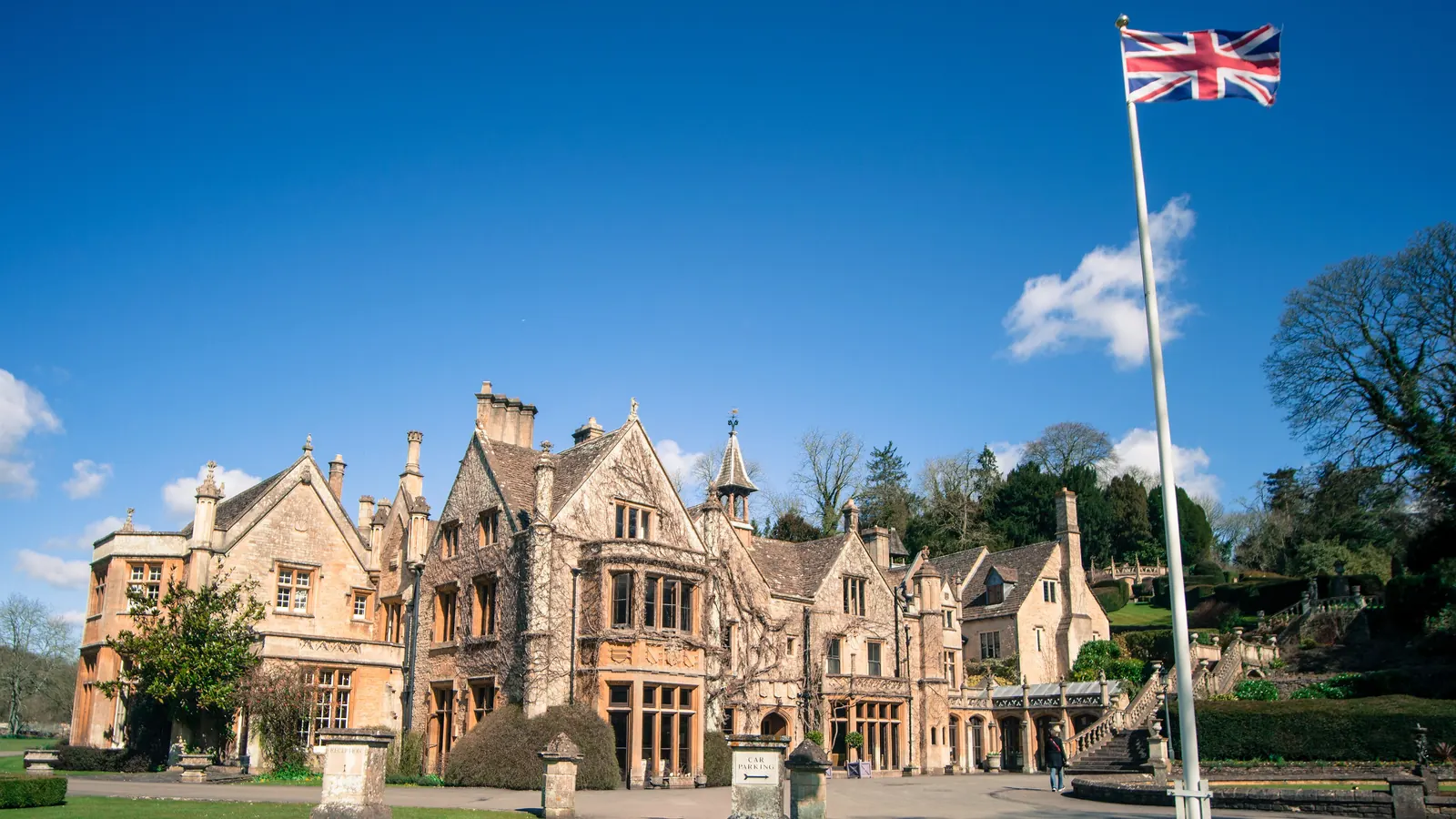
The height of a flagpole decides how far the flag can be seen, which flag size suits it, and how much force the wind puts on the pole and foundation. In the UK it also decides whether planning permission is needed. There is no standard height; the choice depends on the site, the building and the planning rules.
Height and planning
According to the Planning Portal, one flagpole up to 4.6 metres high can be put up in a garden without applying for planning permission. Consent is required if the pole is higher, or if the property is a listed building or in a protected area such as a conservation area.
The advertisement rules in England contain a similar figure: for house flags, club flags and the other flags in the second category, a flagpole in the grounds of a building may not exceed 4.6 metres above ground level if the flag is to be flown without consent. National flags on a flagpole need no advertisement consent. The rules differ in Wales, Scotland and Northern Ireland, and the local council can confirm what applies. More in the guide to installing a flagpole.
Height and flag size
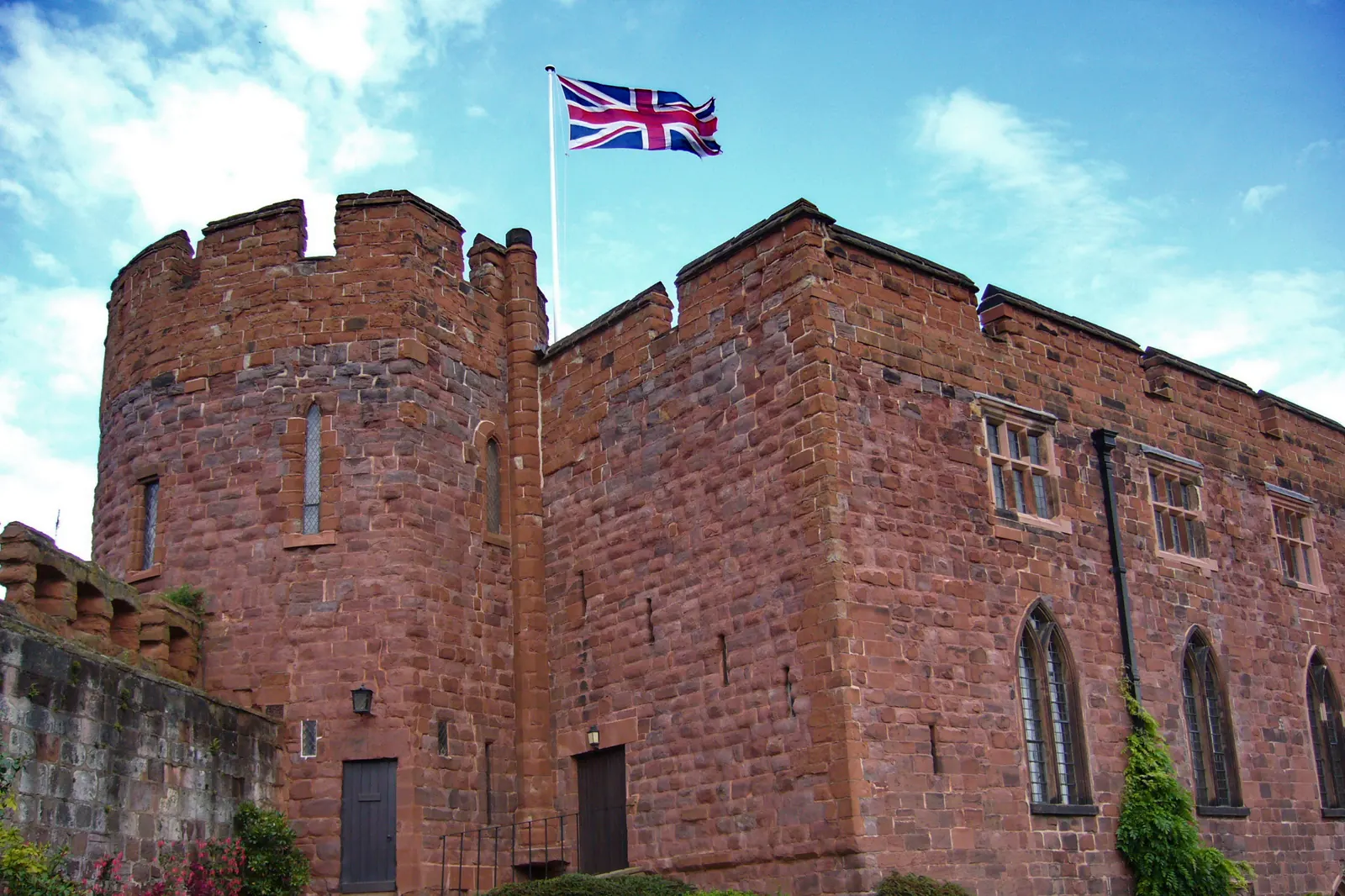
As a guide, the Flag Institute gives a flag length of no more than one third of the height of a ground-level flagpole. A flagpole on top of a building may need a larger flag because of the added height of the building.
| Pole height | Maximum flag length | At 3:5 | Half-mast, two-thirds up |
|---|---|---|---|
| 4.6 m | about 153 cm | about 92 × 153 cm | about 3.1 m |
| 6 m | about 200 cm | about 120 × 200 cm | about 4 m |
| 8 m | about 267 cm | about 160 × 267 cm | about 5.3 m |
| 10 m | about 333 cm | about 200 × 333 cm | about 6.7 m |
| 12 m | about 400 cm | about 240 × 400 cm | about 8 m |
The Flag Institute adds that at half-mast there is at least the height of the flag between the top of the flag and the top of the pole. The flag size calculator works out the size for any height, and more tables are in the guide to flag sizes.
Several poles
According to the Flag Institute, it is preferable to keep flagpoles in a group at the same level to avoid protocol restrictions. If one pole is higher than the rest, the senior national flag can fly from it, but then no non-UK national flags can be flown on the other poles; these can be used for more junior flags such as county and house flags. When British national flags are flown with flags of other nations, each flies from a separate pole of the same height.
Things that influence the choice
- Visibility: trees, buildings and walls can shelter the flag so that it hangs limp, and can hide it from the street.
- The building: a pole that barely clears a roof or hedge sits in the wind shadow.
- Wind exposure: coastal and exposed sites put more load on tall poles.
- Maintenance: on tall fixed poles, work at the top usually needs access equipment. A hinged pole can be lowered for maintenance.
Fall zone
A pole that breaks or topples can reach roughly as far as it is tall. Houses, cars, paths, play areas and neighbouring land within that distance are affected. Under the Occupiers’ Liability Act 1957, the occupier of premises owes visitors a duty to take reasonable care that they will be reasonably safe. More in the guide to flagpole safety.
Frequently asked questions
How tall can a flagpole be without planning permission?
According to the Planning Portal, one flagpole up to 4.6 metres high can be put up in a garden without planning permission. If it is higher, or the property is a listed building or in a protected area such as a conservation area, consent is required.
What size flag suits a 4.6 metre flagpole?
As a guide, the Flag Institute gives a flag length of no more than one third of the height of a ground-level flagpole. For a 4.6 metre pole that is a flag up to about 153 cm long, or about 92 × 153 cm at the 3:5 proportions of the Union Flag.
Do all flagpoles in a group have to be the same height?
There is no rule, but the Flag Institute notes that it is preferable to keep flagpoles at the same level to avoid protocol restrictions. If one pole is higher, only the senior national flag flies from it, and no non-UK national flags are flown on the others.
How far can a flagpole reach if it falls?
A pole that breaks or topples can reach roughly as far as it is tall. Buildings, paths, parking and neighbouring land within that distance can be affected, which is why the fall zone plays a part when choosing a site.
Sources
This guide is based on the following sources:
- Can I put a flagpole in my garden and how tall can it be? – Planning Portal
- Flying flags: a plain English guide – Ministry of Housing, Communities and Local Government
- UK flag protocol – The Flag Institute
- Occupiers’ Liability Act 1957, section 2 – legislation.gov.uk
Related guides
- Flag sizesWhat size flag suits a flagpole: the Flag Institute’s one-third guide, a size chart by pole height, the 3:5 and 1:2 proportions and UK planning limits.
- Installing a flagpoleDoes a flagpole need planning permission? The 4.6 metre rule, listed buildings, conservation areas, advertisement consent for flags in England, and foundations.
- Types of flagpolesGround-mounted, roof-mounted, wall-mounted, telescopic and nautical flagpoles with yardarm and gaff: the main types of flagpole and how UK planning treats them.
- Flag size calculatorThe flag size calculator shows the largest flag for a flagpole by the Flag Institute’s one-third guide, in centimetres and feet, at 3:5 and 1:2 proportions.