US flag etiquette: position of honor and order of flags
Published Written by Flagpole Guides

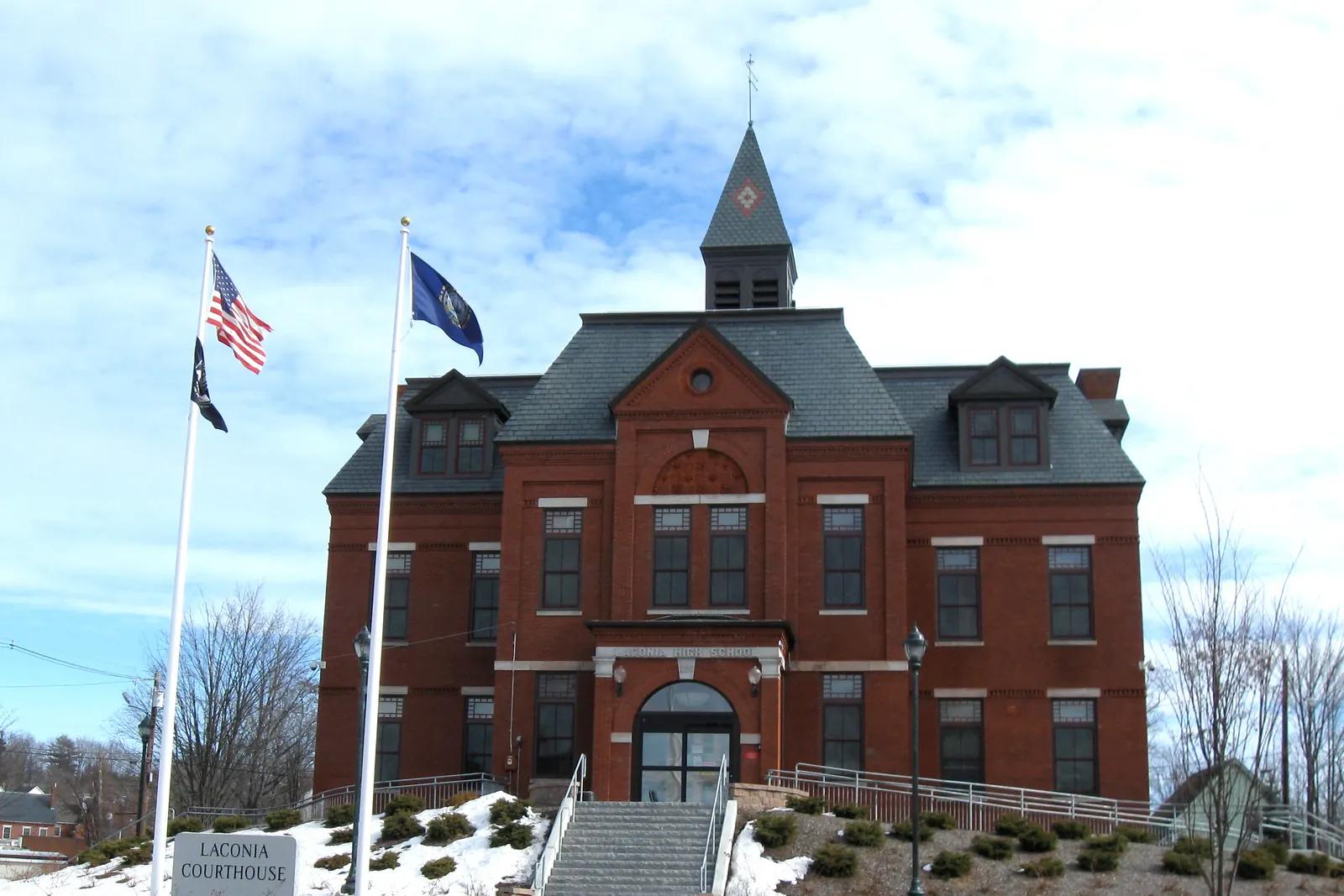
The rules on where the flag of the United States is placed among other flags are in 4 U.S.C. § 7, the longest section of the Flag Code. Their common thread is that the national flag holds the position of honor: highest, at the center, or on its own right. Flags of other nations are the exception, as they are flown as equals; they are covered in the guide to foreign flags in the United States.
The basic rule
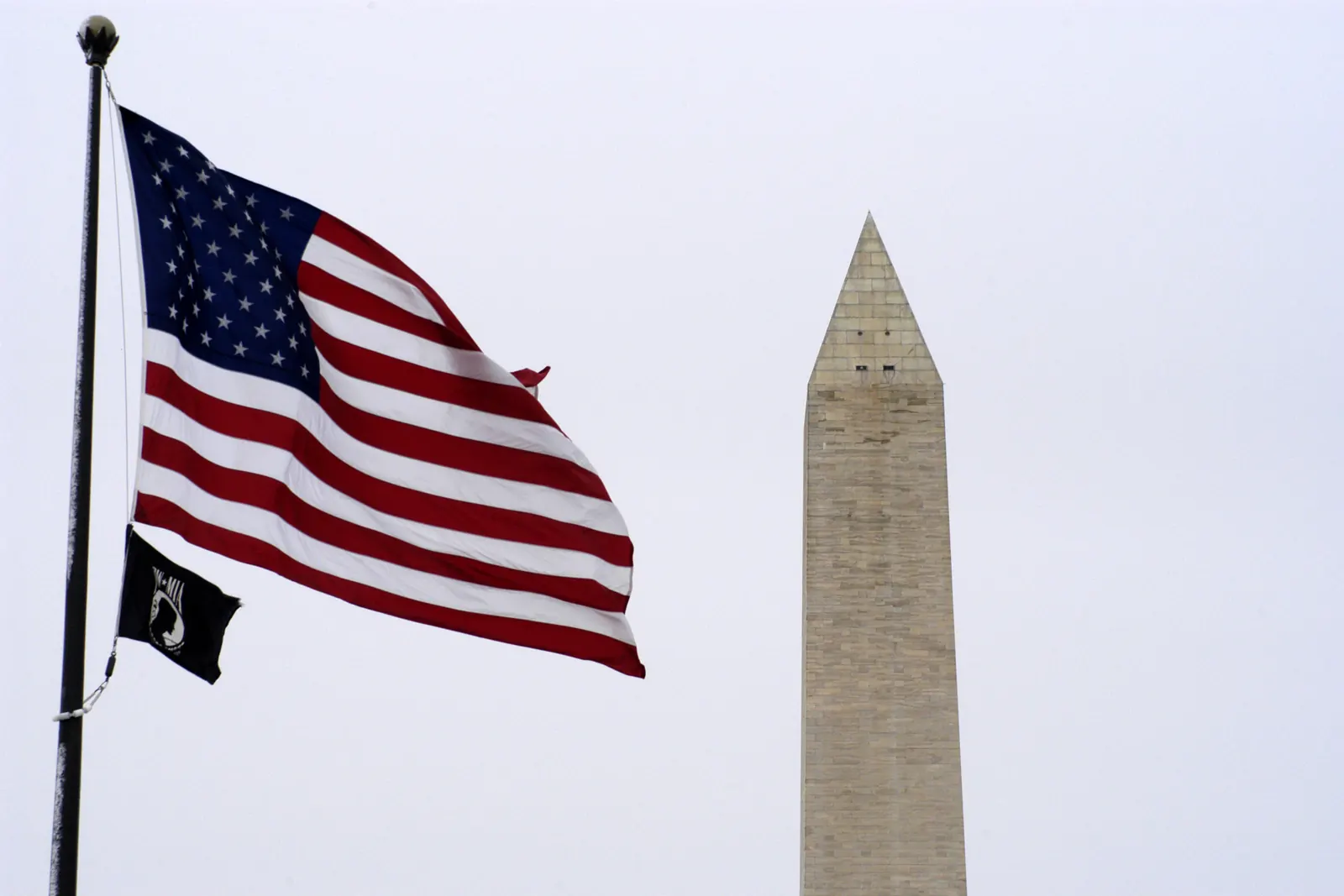
Under § 7(c), no other flag or pennant is placed above the flag of the United States or, if on the same level, to its right. The only exception in the Code is the church pennant, which may fly above the flag during church services conducted by naval chaplains at sea. The flag’s own right is the observer’s left.
Flags on flagpoles
| Situation | Position of the US flag (4 U.S.C. § 7) |
|---|---|
| A group of state, local or society flags on staffs | At the center and at the highest point (e) |
| Several flags on the same halyard | Always at the peak (f) |
| Flags on adjacent staffs | Hoisted first and lowered last (f) |
| Flags of other nations | On separate staffs of the same height, flags of approximately equal size (g) |
| Two flags from crossed staffs against a wall | On the right, the flag’s own right, with its staff in front (d) |
| A staff projecting from a window sill, balcony or building | Union at the peak, unless at half-staff (h) |
According to the Congressional Research Service (CRS), where there is only one flagpole, the federal flag is displayed above state or municipal flags. The Flag Code does not set an order among several state flags.
On a wall, in a window and over a street
- Against a wall, horizontally or vertically: the union is uppermost and to the flag’s own right, the observer’s left (§ 7(i)).
- In a window: the union is to the left of the observer in the street (§ 7(i)).
- Over the middle of a street: suspended vertically, with the union to the north in an east–west street and to the east in a north–south street (§ 7(j)).
- Across a corridor or lobby with one main entrance: vertically, with the union to the observer’s left on entering (§ 7(o)).
- From a rope between a house and a pole at the edge of the sidewalk: hoisted out union first from the building (§ 7(h)).
Indoors and on a stage
On a speaker’s platform, a flag displayed flat is above and behind the speaker. When displayed from a staff in a church or public auditorium, the US flag is in the position of superior prominence, in advance of the audience and at the speaker’s right as the speaker faces the audience; any other flag is on the speaker’s left (§ 7(k)). At the unveiling of a statue or monument, the flag is a distinctive feature of the ceremony but is not used as the covering (§ 7(l)).
In a procession and on vehicles
In a procession with other flags, the US flag is on the marching right, or in front of the center of a line of other flags (§ 7). On a float it is displayed from a staff (§ 7(a)). It is not draped over the hood, top, sides or back of a vehicle, a train or a boat; on a car, the staff is fixed firmly to the chassis or clamped to the right fender (§ 7(b)).
The Pledge and the anthem
- Pledge of Allegiance (4 U.S.C. § 4): rendered standing at attention facing the flag with the right hand over the heart. Persons in uniform remain silent, face the flag and render the military salute, and since 2013 members of the Armed Forces not in uniform and veterans may do the same.
- National anthem (36 U.S.C. § 301): when the flag is displayed, people in uniform salute from the first note to the last, and all others face the flag with the right hand over the heart. When no flag is displayed, all face toward the music.
- Raising and lowering (4 U.S.C. § 9): the same conduct applies while the flag is raised, lowered or passes in a parade; citizens of other countries stand at attention.
Company and organization flags
A company or club flag flown with the US flag follows the rules for society pennants: below the US flag on the same halyard, and to the observer’s right of it on separate staffs. More in the guide to flagpoles for businesses. The flags themselves are described in the guide to flags of the United States, and the general rules in the guide to the US Flag Code.
Frequently asked questions
Where is the US flag placed in a row of flags?
Under 4 U.S.C. § 7(e), when flags of states, localities or societies are grouped and displayed from staffs, the flag of the United States is at the center and at the highest point of the group. In a procession, it is on the marching right, the flag’s own right, or in front of the center of a line of other flags.
Which flag goes on top when two flags share one flagpole?
The flag of the United States is always at the peak when flags of states, cities or localities or pennants of societies are flown on the same halyard (4 U.S.C. § 7(f)). No such flag or pennant is placed above the US flag or to its right.
Can a state flag fly at the same height as the US flag?
On separate flagpoles, the Flag Code places the US flag at the center and at the highest point of a group of state and local flags, and states that no such flag is placed above it or to its right. According to the Congressional Research Service, where there is only one flagpole, the federal flag is displayed above state or municipal flags.
Which way does the union face when the flag hangs on a wall?
Under 4 U.S.C. § 7(i), when the flag is displayed horizontally or vertically against a wall, the union is uppermost and to the flag’s own right, which is the observer’s left. In a window, the union is to the left of the observer in the street.
How do people stand during the national anthem?
Under 36 U.S.C. § 301, when the flag is displayed, people in uniform give the military salute from the first note to the last, members of the Armed Forces and veterans not in uniform may do the same, and all others face the flag and stand at attention with the right hand over the heart. When no flag is displayed, all face toward the music.
Sources
This guide is based on the following sources:
- 4 U.S.C. § 7 Position and manner of display – U.S. Government Publishing Office
- 36 U.S.C. § 301 National anthem – U.S. Government Publishing Office
- The United States Flag: Federal Law Relating to Display and Associated Questions (RL30243) – Congressional Research Service
- Guidelines for Display of the Flag – U.S. Department of Veterans Affairs
Related guides
- Foreign flags in the USHow flags of other nations are flown in the United States: separate staffs of equal height, the UN flag, embassies and the two Flag Code rules that differ.
- The Flag CodeWhat the US Flag Code says about displaying the American flag – hours, weather, lighting, respect and retiring worn flags – and why it carries no penalties.
- Flag typesThe flags flown in the United States: the Stars and Stripes, the union jack, state flags, the POW/MIA flag, the Medal of Honor flag and the service flag.
- Flagpoles for businessesWhen a US business flies flags: the US flag with company flags, sign codes, the Flag Code on advertising, Made in USA claims, lighting and half-staff.