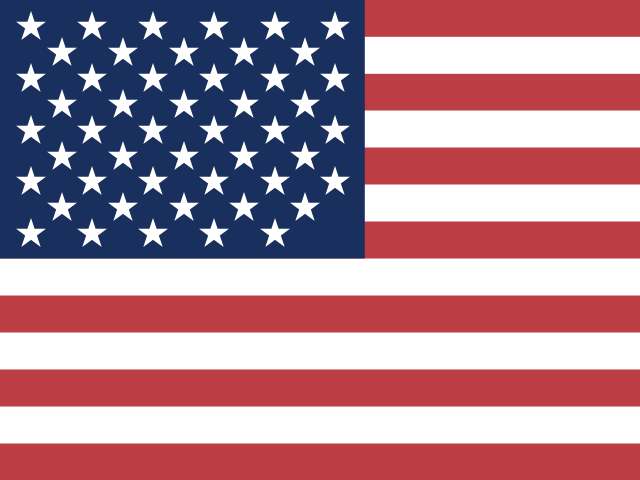
Flagpole and flag lifespan in the United States
Published Written by Flagpole Guides
A flagpole is bought for many years, while a flag that flies every day wears out within months. The lifespan of both depends on the material, the weather, the site and how they are cared for. This guide describes what affects the lifespan, and what happens to flags and poles at the end of their life.
How long a flag lasts
According to Annin Flagmakers, there is no exact answer, but the US government generally expects a flag to last about 90 days when it flies daily from sunrise to sunset and not during inclement weather. Tests have shown that a flag flown 24 hours a day can last only one-fourth as long as one flown in daylight only.
| What shortens a flag’s life | According to |
|---|---|
| Rain, snow and abnormally high winds | Annin Flagmakers |
| Flying day and night | Annin Flagmakers |
| Whipping against rough surfaces, branches, wires or cables | Annin Flagmakers |
| Rust and scale on the pole | Our Flag |
| Storing the flag wet | Our Flag |
| Dirt, which cuts fabrics and dulls colors | Our Flag |
The choice of fabric matters too: Annin describes spun polyester as its longest-lasting material for daily display and large flags, as described in the guide to buying a flag. The Flag Code describes displaying the flag from sunrise to sunset, and in bad weather only an all-weather flag (4 U.S.C. § 6(a) and (c)).
How long a flagpole lasts
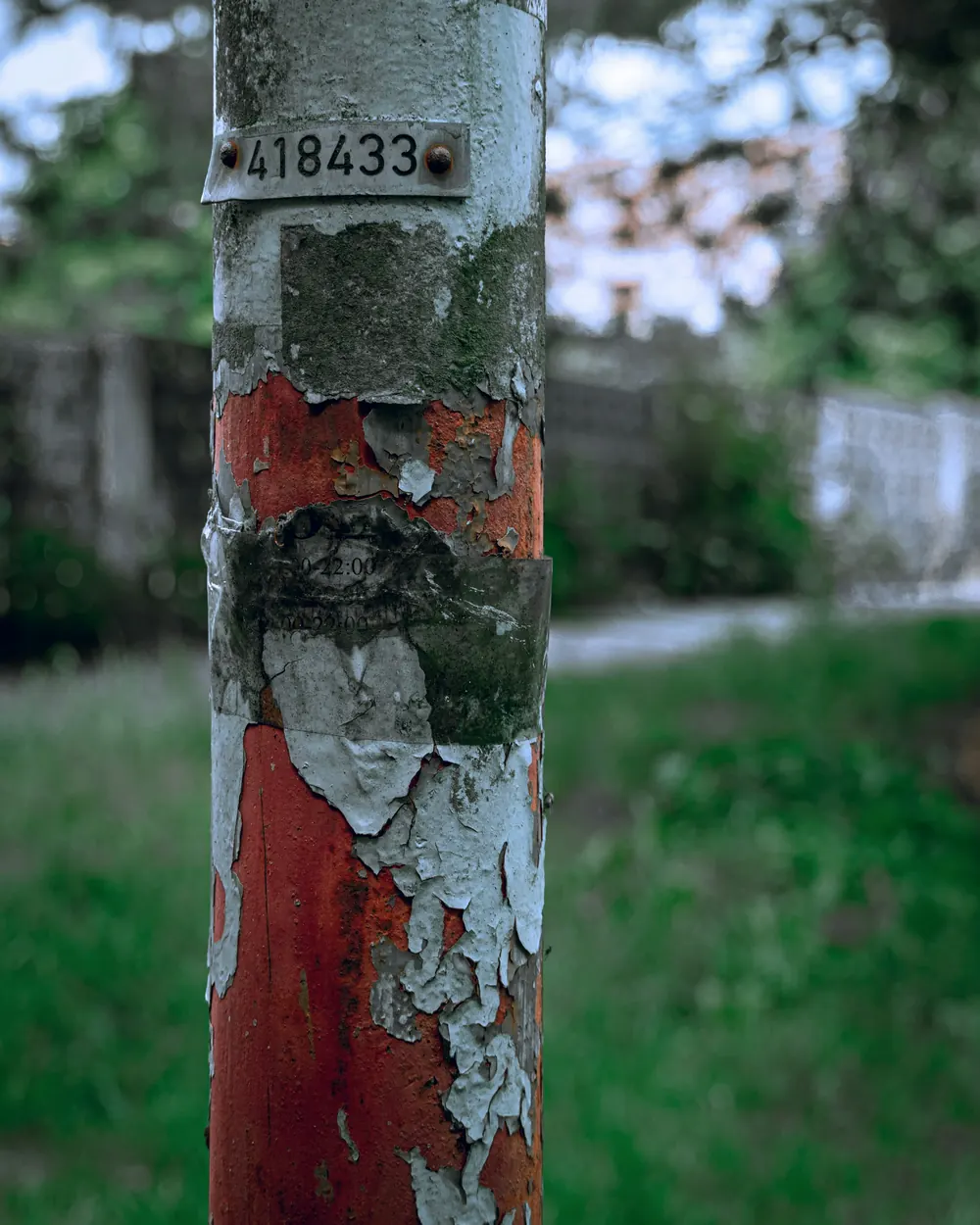
A flagpole lasts far longer than a flag, but not forever. According to Concord American Flagpole, aluminum resists time, temperature, corrosion, humidity and warping, which gives it a long life cycle and a lower environmental impact through less replacement, and Concord gives a lifetime warranty on its aluminum flagpole shafts. More in the guides to flagpole materials and flagpole maintenance.
Repairing instead of replacing
According to the Senate document Our Flag, damaged flags can be repaired and used as long as the overall dimensions are not noticeably altered, and Annin describes trimming and re-hemming torn or frayed fly ends. On the pole, a new halyard or truck is often enough, as described in the guide to flagpole repair.
Retiring a flag
When a flag is no longer a fitting emblem for display, the Flag Code describes destroying it in a dignified way, preferably by burning (4 U.S.C. § 8(k)). According to Our Flag, the American Legion, the Girl Scouts, the Boy Scouts of America, other major veterans’ organizations and some local governments conduct flag retirement ceremonies, and according to the Department of Veterans Affairs, veterans service organizations accept flags in any condition and retire unserviceable ones. Local open burning rules apply to burning at home; Executive Order 14341 of 2025 names open burning restrictions among the state and local laws that can apply to burning a flag.
Recycling the pole
According to Concord American Flagpole, aluminum is 100 percent recyclable, and recycling aluminum saves 95 percent of the energy needed to produce new metal from bauxite ore. An old aluminum pole can therefore go to scrap metal recycling.
Frequently asked questions
How long does an American flag last outdoors?
There is no exact answer. According to Annin Flagmakers, the US government generally expects a flag flown daily from sunrise to sunset, but not in inclement weather, to last about 90 days, and tests have shown that a flag flown 24 hours a day can last only a quarter as long as one flown in daylight only.
How long does a flagpole last?
It depends on the material, the finish, the site and the care. According to Concord American Flagpole, aluminum resists corrosion, temperature, humidity and warping and has a very long life cycle, and Concord offers a lifetime warranty on its aluminum flagpole shafts.
What happens to an old flag?
The Flag Code describes destroying a flag that is no longer a fitting emblem for display in a dignified way, preferably by burning (4 U.S.C. § 8(k)). According to the VA, veterans service organizations retire unserviceable flags, and according to the Senate document Our Flag, the American Legion, Scouts, veterans’ organizations and some local governments hold flag retirement ceremonies.
Can an aluminum flagpole be recycled?
Yes. According to Concord American Flagpole, aluminum is 100 percent recyclable, and recycling aluminum saves 95 percent of the energy needed to produce new aluminum from bauxite ore.
Sources
This guide is based on the following sources:
- Caring for your new Annin product – Flag Pole vs Flag Size Chart – Annin Flagmakers
- Outdoor Flags and Sets – Annin Flagmakers
- Design – aluminum as the green choice – Concord American Flagpole
- Burial flags to honor Veterans and Reservists – U.S. Department of Veterans Affairs
- Our Flag (S. Doc. 109-18) – Care of your flag – U.S. Senate, Joint Committee on Printing
- 4 U.S.C. § 6 and § 8(k) – U.S. Government Publishing Office
- Executive Order 14341 – Prosecuting Burning of the American Flag – The White House
Related guides
- Flagpole materialsUS flagpole materials compared: aluminum alloys and finishes, fiberglass, steel and bronze-clad poles, wall thickness, taper and coastal sites.
- Flagpole maintenanceHow US flagpoles and flags are cared for: checks of the halyard, truck and base, cleaning aluminum, washing and storing the flag, and local rules on condition.
- Flagpole repairCommon faults on US flagpoles – broken halyard, stuck truck, slipping winch, leaning pole, corrosion – their usual causes and the rules for repairs.
- The Flag CodeWhat the US Flag Code says about displaying the American flag – hours, weather, lighting, respect and retiring worn flags – and why it carries no penalties.