Foreign flags in the United States: how they are flown
Published Written by Flagpole Guides
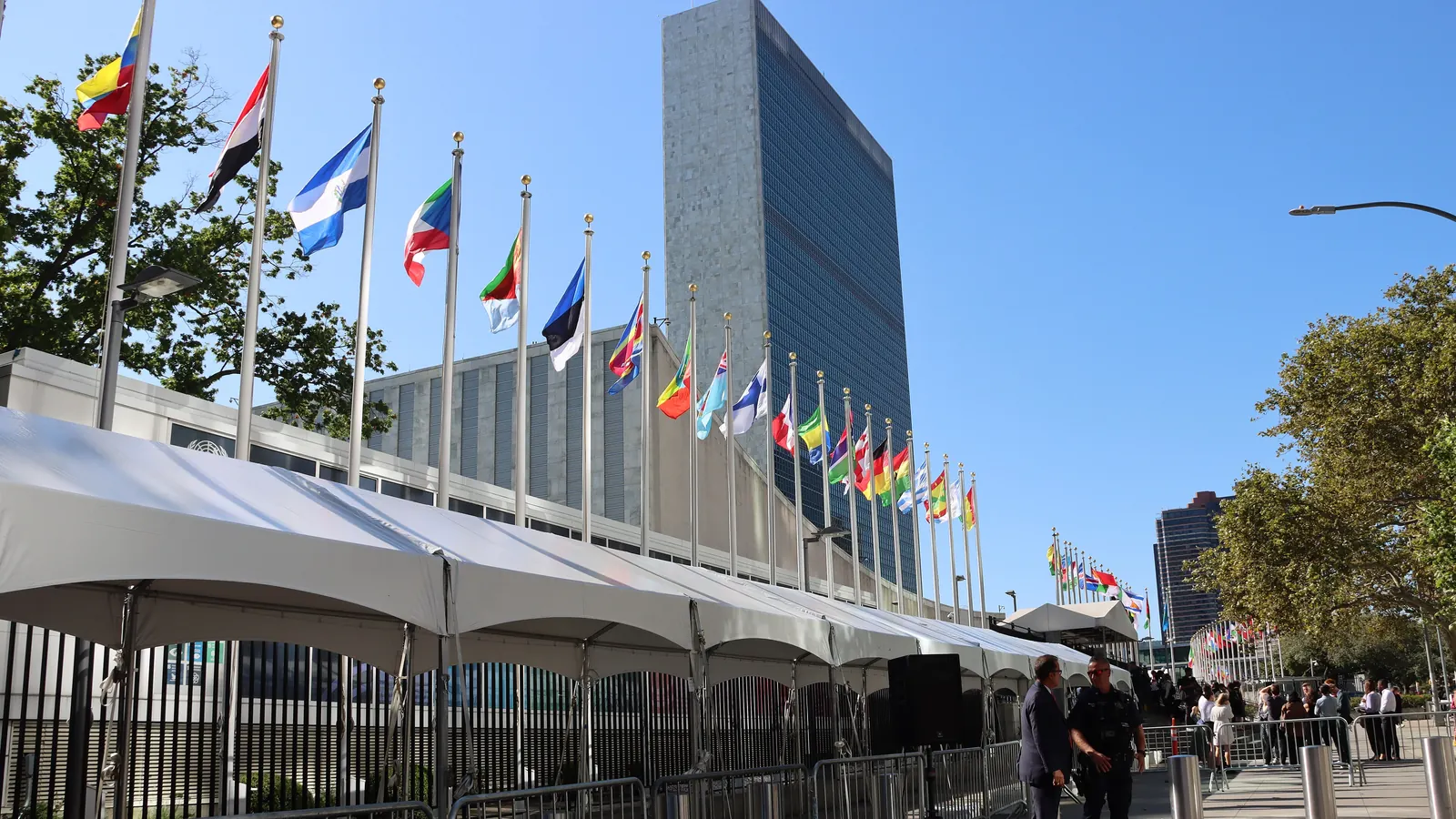
The United States has large communities with roots in other countries, and flags of other nations are a common sight at homes, restaurants, consulates, international companies and sporting events. No federal law prohibits a private person or business from flying a foreign flag. The Flag Code describes how it is flown together with the flag of the United States, and diplomatic missions have a right of their own to fly their national flag.
Separate staffs of the same height
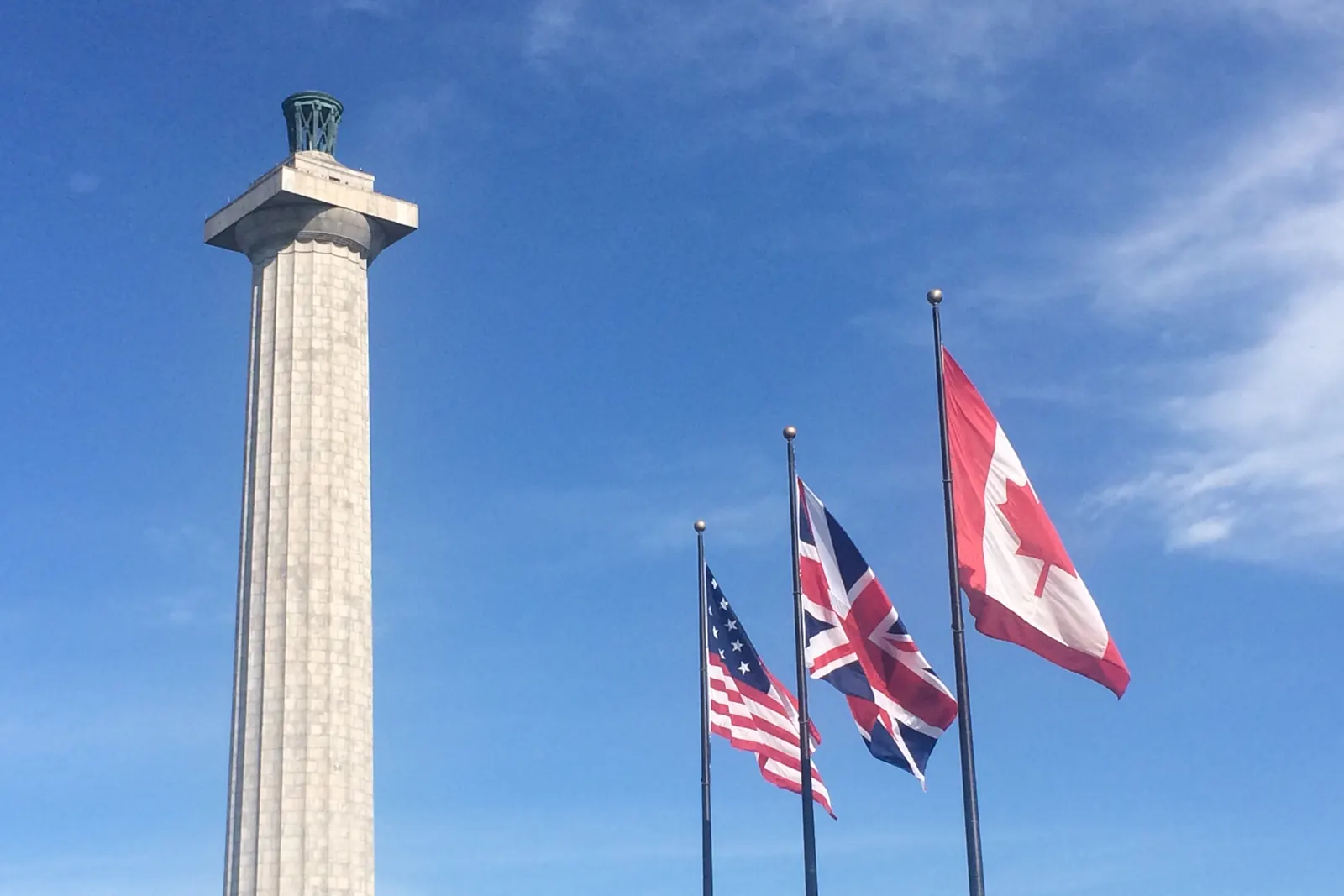
Under 4 U.S.C. § 7(g), “when flags of two or more nations are displayed, they are to be flown from separate staffs of the same height. The flags should be of approximately equal size. International usage forbids the display of the flag of one nation above that of another nation in time of peace.” The wording goes back to the original Flag Code of 1942.
The rule in § 7(c)
A second sentence was added to § 7(c) in 1953: no person shall display the flag of the United Nations “or any other national or international flag equal, above, or in a position of superior prominence or honor to, or in place of, the flag of the United States” at any place within the United States or its territories.
According to the Congressional Research Service (CRS), the two provisions appear to be contradictory. The usual rule of statutory construction gives effect to the later provision, so flying the flag of another nation at the same height as the US flag “may not be proper etiquette” under the Code, but this creates no right of action for private individuals.
| Situation | What the Flag Code says |
|---|---|
| Two or more national flags | Separate staffs of the same height, flags of approximately equal size (§ 7(g)) |
| A national or international flag with the US flag | Not equal to or above the US flag (§ 7(c)) |
| One flagpole | International usage forbids one nation’s flag above another’s in time of peace (§ 7(g)) |
| UN headquarters | The UN flag in a superior position and national flags in equal positions (§ 7(c)) |
The United Nations flag
The 1953 amendment names the flag of the United Nations specifically. The one exception is the headquarters of the United Nations in New York, where § 7(c) keeps the earlier practice of the UN flag in a position of superior prominence and other national flags in positions of equal prominence with the US flag.
Embassies and consulates
Under Article 20 of the Vienna Convention on Diplomatic Relations of 1961, a diplomatic mission and its head have the right to use the flag and emblem of the sending state on the premises of the mission, including the residence of the head of mission, and on the head’s means of transport. The Flag Code’s rules on position do not change that right.
Foreign flags in homeowners’ associations
The federal Freedom to Display the American Flag Act protects only the US flag, and state laws on homeowners’ associations mostly name the US, state and military flags. Arizona is an example of a state that goes further: A.R.S. § 33-1808 also names, among other flags, Arizona Indian nations flags and the flag of a major non-NATO ally of the United States established on May 14, 1948. More in the guide to flags in HOA communities.
Businesses and events
International companies, hotels and conference venues often fly several national flags. On separate flagpoles of the same height, each flag in approximately the same size, the Flag Code’s rule for flags of nations is followed; the placement of the US flag among company and state flags is described in the guides to flag etiquette and flagpoles for businesses.
Frequently asked questions
Can a foreign flag be flown in the United States?
Yes. No federal law prohibits a private person or business from flying the flag of another nation. The Flag Code sets out how it is flown together with the flag of the United States, and a few state laws on homeowners’ associations name specific foreign flags among the flags an association may not prohibit.
Is a foreign flag flown at the same height as the US flag?
4 U.S.C. § 7(g) states that flags of two or more nations are flown from separate staffs of the same height, with flags of approximately equal size, while § 7(c) states that no other national flag is displayed equal to or above the US flag. According to the Congressional Research Service, the later rule in § 7(c) suggests that equal height may not be proper etiquette under the Code, but it creates no right of action for private individuals.
Can a foreign flag share a flagpole with the US flag?
The Flag Code states that international usage forbids the display of the flag of one nation above that of another nation in time of peace, and that flags of two or more nations are flown from separate staffs (4 U.S.C. § 7(g)). One halyard with two national flags would place one above the other.
Where does the UN flag fly above the US flag?
Only at the headquarters of the United Nations in New York. 4 U.S.C. § 7(c) prohibits displaying the UN flag or any other national or international flag in a position superior to the US flag anywhere in the United States, but keeps the practice at UN headquarters, where the UN flag has a position of superior prominence and the national flags equal positions.
Sources
This guide is based on the following sources:
- 4 U.S.C. § 7(c) and (g) – U.S. Government Publishing Office
- The United States Flag: Federal Law Relating to Display and Associated Questions (RL30243) – Congressional Research Service
- Vienna Convention on Diplomatic Relations, 1961, Article 20 – United Nations
- Arizona Revised Statutes § 33-1808 Flag display – Arizona State Legislature
Related guides
- Flag etiquetteWhere the American flag goes among other flags under 4 U.S.C. § 7: the position of honor, flags on one halyard, walls, windows, stages and the anthem.
- Flagpoles for businessesWhen a US business flies flags: the US flag with company flags, sign codes, the Flag Code on advertising, Made in USA claims, lighting and half-staff.
- The Flag CodeWhat the US Flag Code says about displaying the American flag – hours, weather, lighting, respect and retiring worn flags – and why it carries no penalties.
- Flags in HOA communitiesWhat an HOA can and cannot restrict about the American flag and flagpoles under the federal flag act and the laws of Texas, Florida, Arizona and California.