Flagpole materials in the United States: aluminum, fiberglass or steel?
Published Written by Flagpole Guides
The material decides how a flagpole looks, how it handles wind and weather, and how long it lasts. In the United States, most flagpoles for homes, schools and businesses are made of aluminum or fiberglass, while steel and bronze-clad poles are also made. This guide compares the materials; the parts of the pole are described in the guide to how a flagpole works.
Materials compared
| Material | Described by | Properties |
|---|---|---|
| Aluminum | Annin, Concord American Flagpole, NAAMM | Forms a protective oxide layer; satin, anodized or powder-coated finishes |
| Fiberglass | Annin | White; one of the two materials Annin lists for in-ground poles |
| Steel | NAAMM | Made by NAAMM’s flagpole members |
| Bronze-clad | NAAMM | Made by NAAMM’s flagpole members |
According to Annin Flagmakers, in-ground flagpoles are made of aluminum, shiny or matte, or white fiberglass, in a variety of wall thicknesses designed to withstand a range of wind speeds. The members of the National Association of Architectural Metal Manufacturers (NAAMM) make aluminum, steel and bronze-clad flagpoles.
Aluminum
Aluminum is the standard for commercial flagpoles. According to Concord American Flagpole, its poles are made of alloy 6063, which on contact with air forms a resistant layer of aluminum oxide, so the pole can be left unfinished without corroding. The New York State Department of Transportation’s specification for aluminum flagpoles calls for seamless pipe to ASTM B241, in one section, designed to the NAAMM guide specification.
Common finishes, according to Concord American Flagpole:
- Satin: a brushed finish made by rotary sanding, which it describes as the industry’s first choice for low maintenance
- Anodized: clear, dark bronze or black
- Powder coating: polyester thermoset powder in almost any color, matched to an RAL number or color chip
Fiberglass
Annin lists white fiberglass as the second material for in-ground poles, beside aluminum. According to Annin, the finish is a critical consideration depending on the location, especially near ocean salt air, acidic rain, desert heat and changing mountain climates.
Wall thickness, diameter and taper
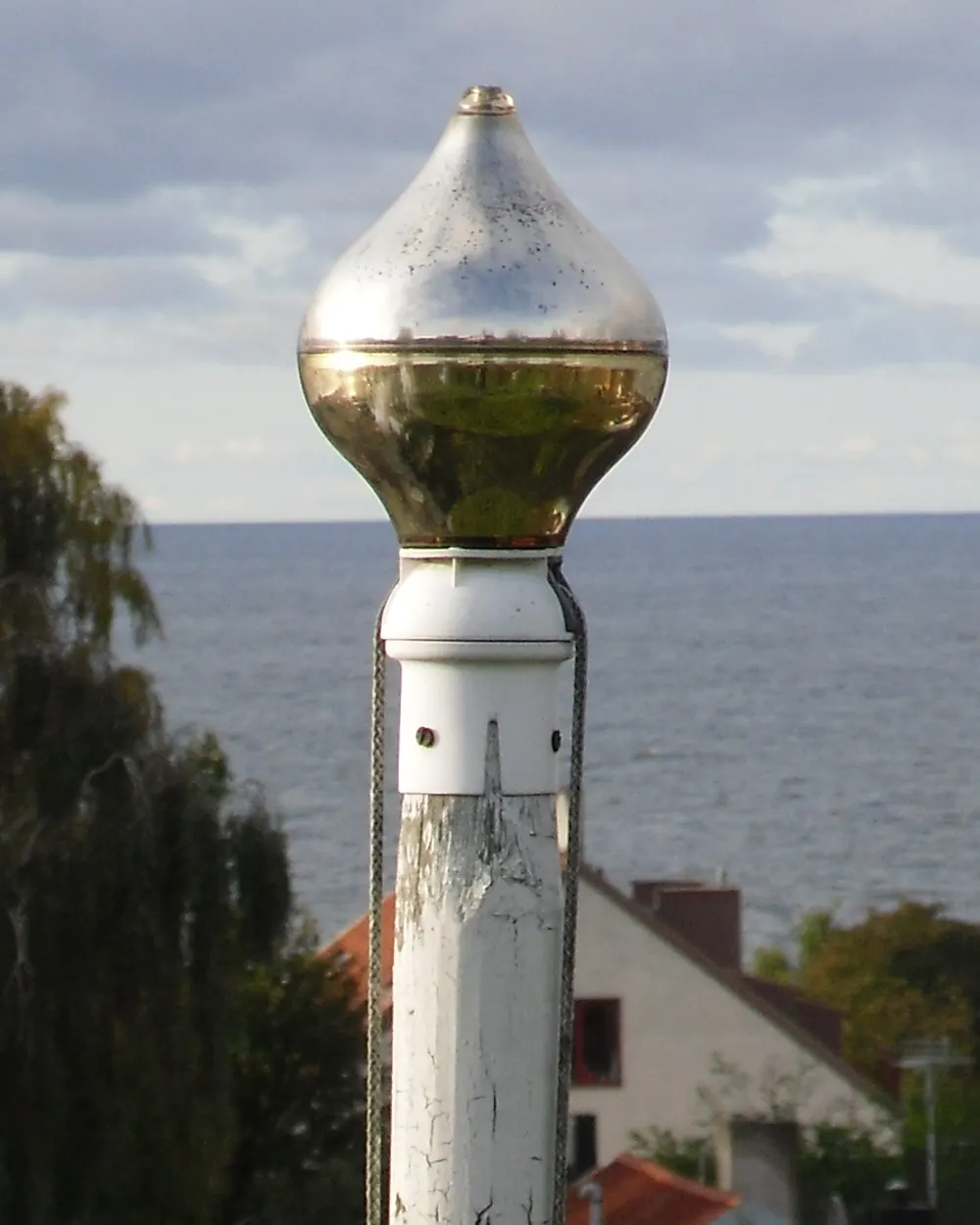
The strength of a pole depends on its diameter and wall thickness as much as on the material. According to Concord American Flagpole, the wall thickness of its commercial flagpoles varies from 0.125 to 0.500 inch, the top and butt diameters are measured at the top and base of the shaft, and poles up to 40 ft are made in one piece, while poles of 45 ft and more are made in sections joined in the field. Its standard poles have a cone taper: a straight lower part followed by a straight taper to the top. An entasis taper, which curves gently outward, counteracts the illusion that a tapered column curves inward against the sky.
Choosing for the site
The site decides more than the look. Wind speed at the location, soil, salt air and the size of the flag set the requirements, which is why the NAAMM guide specification and the ASCE 7 wind speed maps are used for commercial poles, as described in the guide to flagpole safety. How long each material lasts is covered in the guide to flagpole lifespan, and care in the guide to flagpole maintenance.
Frequently asked questions
What are most flagpoles in the United States made of?
Aluminum and fiberglass. According to Annin Flagmakers, in-ground flagpoles are made of aluminum, shiny or matte, or of white fiberglass, in a range of wall thicknesses designed for different wind speeds. The members of the National Association of Architectural Metal Manufacturers also make steel and bronze-clad poles.
Does an aluminum flagpole rust?
No. According to Concord American Flagpole, aluminum forms a resistant layer of aluminum oxide on contact with air, which guards against corrosion, so an aluminum pole can be left unfinished. Its poles are made of alloy 6063, which it describes as a marine-grade alloy.
Which finishes are available on aluminum flagpoles?
According to Concord American Flagpole, the common finishes are satin, a brushed finish made by rotary sanding, anodized finishes in clear, dark bronze and black, and powder coating in almost any color.
Which material suits a coastal site?
According to Annin Flagmakers, the finish is a critical consideration depending on the location, especially near ocean salt air, acidic rain, desert heat and changing mountain climates. Aluminum resists corrosion, and the wall thickness is chosen for the wind speeds at the site.
Sources
This guide is based on the following sources:
- Choosing the Correct Size Flag (inground flagpoles) – Annin Flagmakers
- Finish Options – Concord American Flagpole
- Flagpole Descriptions – Concord American Flagpole
- Design Options – Concord American Flagpole
- Guide Specifications for Design of Metal Flagpoles – National Association of Architectural Metal Manufacturers
- 615.91000010 – Aluminum Flagpole (specification) – New York State Department of Transportation
Related guides
- Types of flagpolesThe main types of US flagpoles: house-mounted poles, telescoping poles, in-ground poles with external or internal halyards, and wall and roof poles.
- Lifespan and sustainabilityHow long US flagpoles and flags last: about 90 days for a flag flown daily, what shortens a flag’s life, aluminum recycling and flag retirement.
- Flagpole maintenanceHow US flagpoles and flags are cared for: checks of the halyard, truck and base, cleaning aluminum, washing and storing the flag, and local rules on condition.
- Flagpole safetyThe main risks around a US flagpole: wind speed ratings and flag size, overhead power lines under OSHA rules, buried utilities and 811, and work at height.