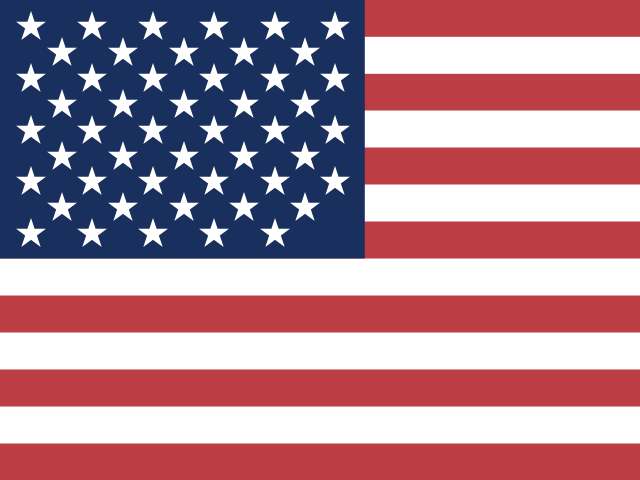
History of the flag and the flagpole in the United States
Published Written by Flagpole Guides
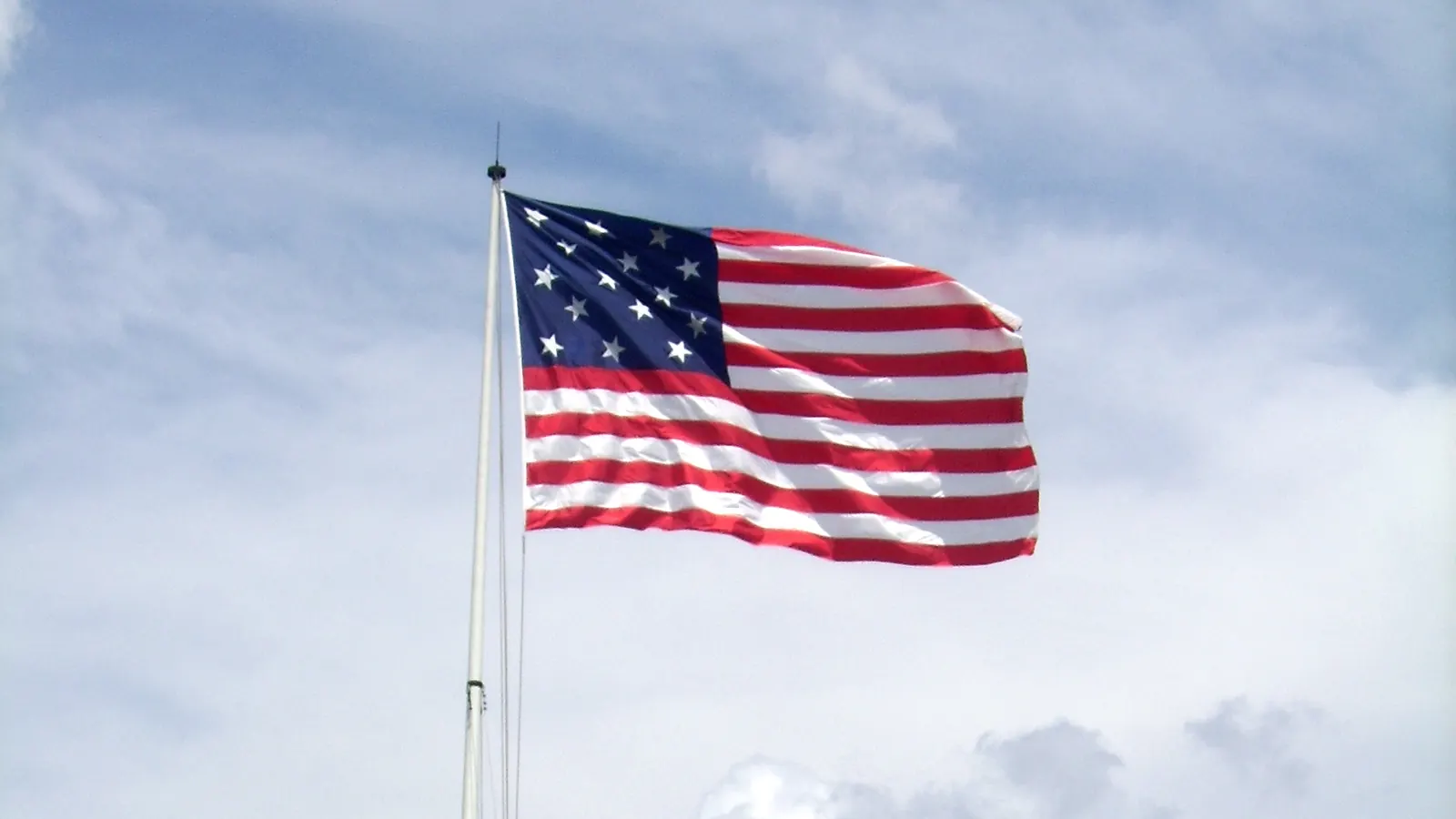
The flagpole has been part of American history since the Revolution, when the first flags of the colonists flew from ships and liberty poles. Since then, the flag has moved from forts and ships to schools, homes and front yards, and its customs have been written into law. This guide follows that history, with sources from the Senate’s own history of the flag, the National Park Service and federal law.
The liberty pole and the first flags
Before the Stars and Stripes, the colonists flew the Grand Union Flag: 13 red and white stripes with the British Union in the corner. According to the Senate document Our Flag, it was raised aboard the flagship Alfred on December 3, 1775, and later on the liberty pole at Prospect Hill, near George Washington’s headquarters in Cambridge, Massachusetts. It remained the unofficial national flag until the Continental Congress adopted the Stars and Stripes on June 14, 1777. The design of the flag and its changes are in the guide to the American flag.
Fort McHenry, 1814
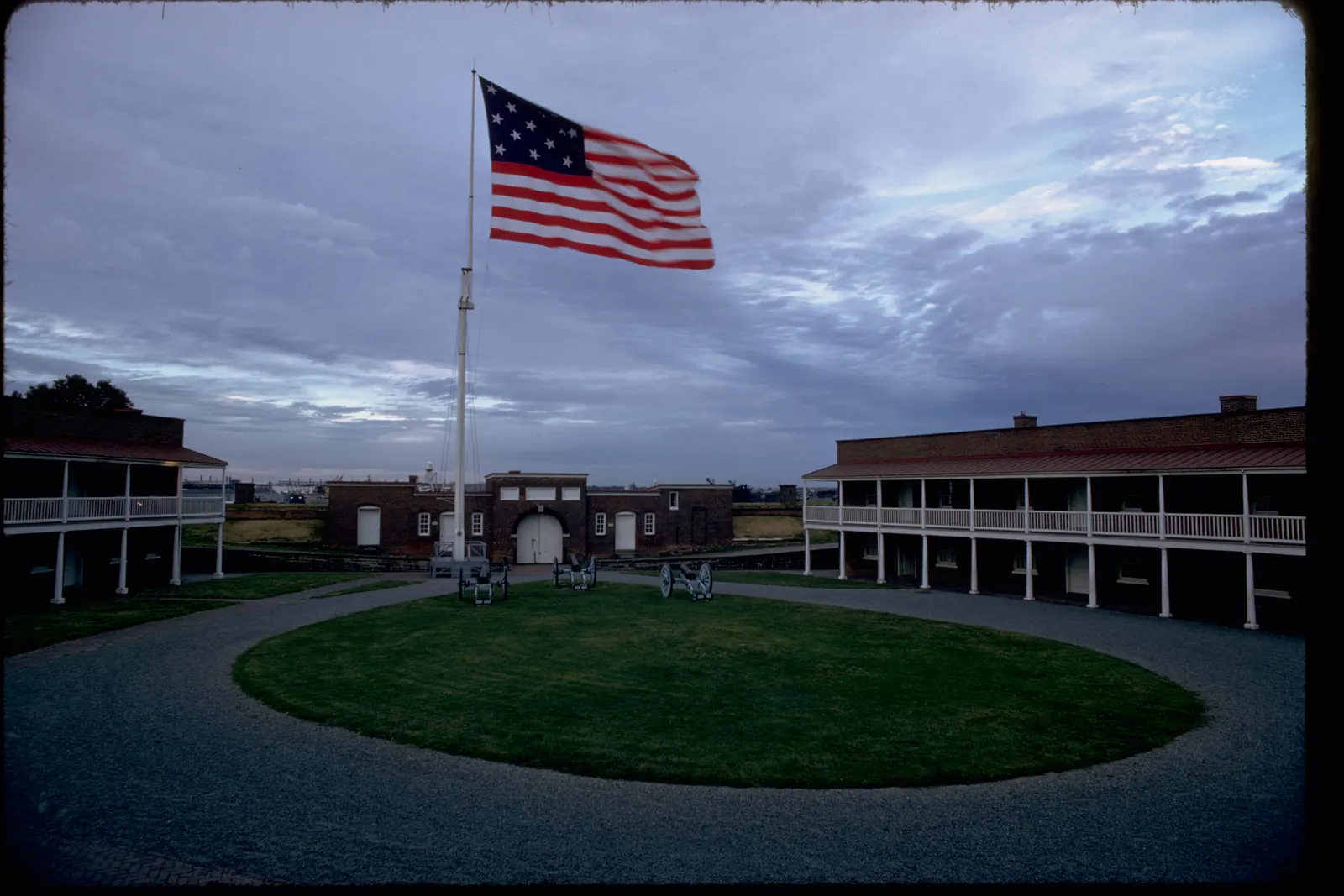
The most famous flag in American history flew from the garrison flagpole of Fort McHenry in Baltimore. According to the National Park Service, the fort’s commander, Major George Armistead, wanted “a flag so large that the British will have no difficulty in seeing it from a distance”. Mary Pickersgill, a flag maker, sewed a 30 × 42 ft garrison flag and a smaller 17 × 25 ft storm flag in seven weeks in 1813, with her daughter, two nieces, an indentured servant and possibly her mother. The large flag had 15 stars and 15 stripes, each stripe two feet wide.
After a 25-hour bombardment in September 1814, Francis Scott Key saw the great flag over the fort on the morning of September 14 and wrote the words of “The Star-Spangled Banner”. The flag is displayed today at the Smithsonian’s National Museum of American History. According to the NPS, the song became the national anthem when President Herbert Hoover signed the law on March 3, 1931.
Flag Day
| Year | Event, according to Our Flag |
|---|---|
| 1861 | The Stars and Stripes flies in a Flag Day celebration in Hartford, Connecticut, in the first summer of the Civil War |
| 1877 | First national observance of Flag Day, on the centennial of the flag resolution |
| 1890s | Mayors and governors issue Flag Day proclamations |
| 1916 | President Woodrow Wilson proclaims a nationwide observance |
| 1949 | Congress designates June 14 as Flag Day, signed by President Harry Truman |
Flags at schools and the Pledge
According to the Government Publishing Office’s Ben’s Guide, Francis Bellamy wrote the first version of the Pledge of Allegiance in 1892 to mark the 400th anniversary of Columbus’s arrival in the Americas; the current wording dates from 1954. Today the Flag Code states that the flag should be displayed during school days in or near every schoolhouse (4 U.S.C. § 6(g)).
The Flag Code
Congress adopted the Flag Code by joint resolution on June 22, 1942, amended it in December 1942 and 1976, and moved it to title 4 of the United States Code in 1998. It is still a code of customs for civilians, without penalties. More in the guide to the US Flag Code.
Day and night
The Flag Code describes the custom of flying the flag from sunrise to sunset. According to Our Flag, the continuous display of flags over the east and west fronts of the US Capitol, each 8 × 12 ft, began during World War I after requests from around the country. Proclamations and laws now authorize the flag 24 hours a day at eight places:
| Place | Authority |
|---|---|
| Fort McHenry National Monument, Baltimore | Proclamation 2795, 1948 |
| Flag House Square, Baltimore | Public Law 83-319, 1954 |
| Marine Corps War Memorial (Iwo Jima), Arlington, Virginia | Proclamation 3418, 1961 |
| The Green of Lexington, Massachusetts | Public Law 89-335, 1965 |
| The White House | Proclamation 4000, 1970 |
| Washington Monument, with 50 flags | Proclamation 4064, 1971 |
| Continually open US Customs ports of entry | Proclamation 4131, 1972 |
| National Memorial Arch, Valley Forge | Public Law 94-53, 1975 |
According to the Congressional Research Service, these authorizations were meant as a tribute to historic sites rather than exceptions to the Code, and the flag is flown at night by custom at many other sites, including the Capitol. How lighting fits in is covered in the guide to flag lighting.
The 50-star flag
The last changes to the flag came with a 49th star for Alaska in 1959 and a 50th for Hawaii in 1960. According to Our Flag, the 50-star flag became official and was raised for the first time at 12:01 a.m. on July 4, 1960, at Fort McHenry, the same fort where the 15-star flag had flown in 1814.
From forts to front yards
Today, in-ground flagpoles are made of aluminum or fiberglass, according to Annin Flagmakers; the materials are described in the guide to flagpole materials. In 2006, the Freedom to Display the American Flag Act protected the display of the flag in condominium, cooperative and homeowners’ associations, and in 2026 the nation marked the 250th anniversary of the Declaration of Independence. The days on which the flag is especially displayed are in the guide to flag days.
Frequently asked questions
When did Flag Day begin?
According to the Senate document Our Flag, the first national observance of Flag Day took place on June 14, 1877, the centennial of the flag resolution. President Woodrow Wilson proclaimed a nationwide observance in 1916, and in 1949 Congress designated June 14 as Flag Day, signed into law by President Harry Truman.
How big was the flag over Fort McHenry in 1814?
According to the National Park Service, the great garrison flag measured 30 by 42 feet, with stripes two feet wide and stars 24 inches from point to point. It had 15 stars and 15 stripes, was made by Mary Pickersgill and her helpers in Baltimore in 1813, and is displayed today at the Smithsonian’s National Museum of American History.
Where does the flag fly 24 hours a day by law?
According to the Senate document Our Flag and the Congressional Research Service, presidential proclamations and laws authorize the flag day and night at Fort McHenry, Flag House Square in Baltimore, the Marine Corps War Memorial (Iwo Jima), the Green of Lexington, Massachusetts, the White House, the Washington Monument, continually open US Customs ports of entry and the National Memorial Arch at Valley Forge. Many other places fly it at night by custom.
When did the Pledge of Allegiance begin?
According to the Government Publishing Office’s Ben’s Guide, Francis Bellamy wrote the first version in 1892 for the 400th anniversary of Columbus’s arrival in the Americas. The words “under God” were added in 1954, and the text is in 4 U.S.C. § 4.
Sources
This guide is based on the following sources:
- Our Flag (S. Doc. 109-18) – U.S. Senate, Joint Committee on Printing
- The Great Garrison Flag – National Park Service, Fort McHenry National Monument
- National Anthem – National Park Service, Fort McHenry National Monument
- Pledge of Allegiance (1892) – Ben’s Guide to the U.S. Government, U.S. Government Publishing Office
- The United States Flag: Federal Law Relating to Display and Associated Questions (RL30243) – Congressional Research Service
- Choosing the Correct Size Flag – Annin Flagmakers
- Flag Day and National Flag Week, 2026 – The White House
- 4 U.S.C. chapter 1 – The Flag, 2024 edition – U.S. Government Publishing Office
Related guides
- The American flagWhat the American flag stands for: the 13 stripes, the 50 stars, the red, white and blue, the official proportions and how the design grew from 13 stars.
- Flag daysThe days on which the US Flag Code calls for the flag to be displayed in 2026 and 2027, with the half-staff days and the federal holidays.
- Flag typesThe flags flown in the United States: the Stars and Stripes, the union jack, state flags, the POW/MIA flag, the Medal of Honor flag and the service flag.
- Flagpole materialsUS flagpole materials compared: aluminum alloys and finishes, fiberglass, steel and bronze-clad poles, wall thickness, taper and coastal sites.