Flag flying rules in Canada
Published Written by Flagpole Guides
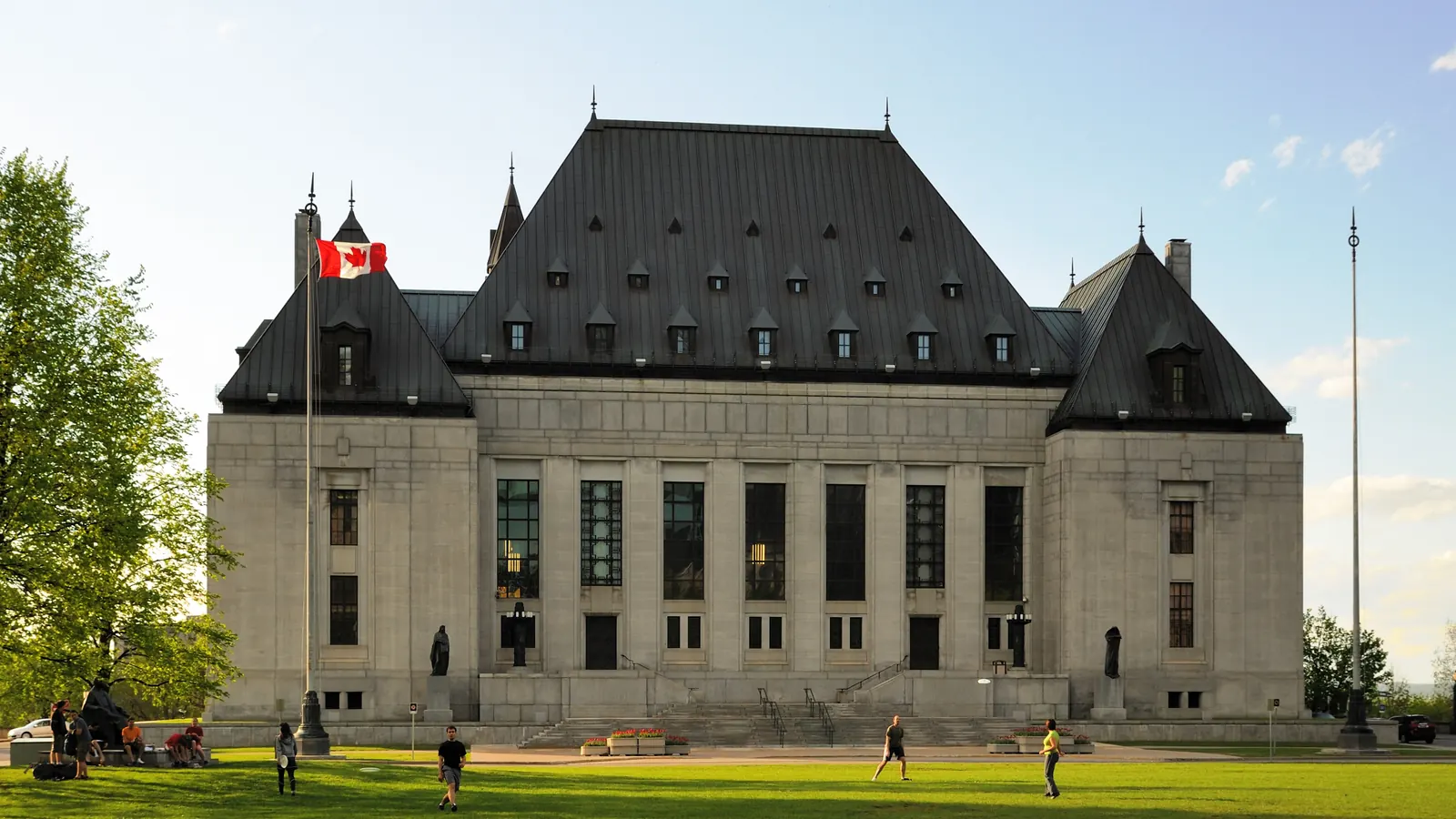
Flying the flag in Canada is mostly a matter of etiquette, not law. According to Canadian Heritage, the manner in which flags are displayed in Canada is not governed by legislation but by established practice and convention, adapted from international usage and from customs the federal government has observed for many years. The department’s rules apply to federal buildings and institutions; for individuals and organizations they are not mandatory, but they may serve as guidelines for anyone who wishes to display the National Flag.
Who may fly the flag

Any person in Canada may fly the National Flag, on any day. The National Flag of Canada Act of 2012 goes further: it states that all Canadians are encouraged to proudly display the National Flag of Canada in accordance with flag protocol. It also encourages every person in control of an apartment building, condominium, building in divided co-ownership, other multiple-residence building or gated community to allow residents to display the flag. The act encourages rather than requires, and it sets no penalties.
According to Canadian Heritage, the National Flag must be flown at all federal government buildings, airports and military bases in Canada and abroad. Provinces and territories decide for their own buildings; in Québec, the Règlement sur le drapeau du Québec requires the flag of Québec on the buildings of ministries, courts, municipal councils, school boards, colleges, universities and public health institutions.
Day and night
According to Canadian Heritage, the National Flag of Canada may be flown day and night and does not need to be lighted after sundown. This differs from the customs of some other countries, where a flag is lowered at sunset or lit throughout the night. The Gouvernement du Québec’s guidance for public buildings mentions lighting so that the flag of Québec stays visible during the night. More in the guide to flag lighting.
On a flagpole

The National Flag is always flown on its own flagpole, with the sleeve nearest to the pole and the canton nearest the top. According to Canadian Heritage, it is improper to fly the National Flag with another flag of any type on the same flagpole. Exterior permanent poles are best fitted with a halyard and pulley, so that the flag can easily be raised, lowered and half-masted. Canadian Heritage also gives a table of flag sizes for pole lengths, set out in the guide to flag sizes.
Canadian Heritage divides flagpoles into three categories: exterior permanent poles, on or beside a building; exterior portable poles; and interior poles. A flag on an interior pole hangs rather than flies, and the pole is topped by a finial.
Horizontally, vertically and from a building
- Horizontally, the flag is flown with the maple leaf pointing upwards.
- Vertically, the flag is hung so that the upper part of the leaf points to the left as seen by an observer facing it. The flag is flipped rather than simply turned, so that the canton, the place of honour, stays in the upper left.
- At an angle from a window or balcony, the flag is hung as on a pole, with the sleeve nearest the pole, the top of the leaf pointing outward from the building and its stem toward the building.
- On a flag rope, the flag is flown as on a pole, with the canton as close to the top as possible and the rope taut.
- In an auditorium or place of worship, the flag on a pole stands to the left as seen by the audience, or flat against the wall above and behind the speaker.
The dignity of the flag
Canadian Heritage lists what the National Flag should never be used for, whether it is made of cloth, paper or another material. Among them:
- as decoration or draping, a table or seat cover, a curtain or a barrier on a stage
- to cover a podium, or a statue or plaque before an unveiling
- signed or marked in any way (a border can be attached for signatures)
- as clothing, or worn as a cape
- touching the ground, or dipped as a salute to any person or thing
- flown in a discoloured or tattered condition, or upside down except as a signal of distress in extreme danger to life
- with anything pinned or sewn on it
When the flag is raised or lowered, or carried past in a parade, Canadian Heritage describes the custom of facing the flag and remaining silent; those in uniform salute. According to the department, there is no official pledge or oath of allegiance to the Canadian flag.
Protection of the flag
The rules on the flag’s dignity are etiquette, set out by Canadian Heritage as guidance. In law, the flag and its maple leaf are protected symbols under the Trademarks Act, according to Canadian Heritage: section 9 prohibits adopting, in connection with a business, a mark consisting of or resembling a flag adopted and used by Canada, a province or a municipality, once public notice of it has been given. More in the guide to flagpoles for businesses.
On ships and boats
According to Canadian Heritage, the National Flag of Canada is the proper national colours for all Canadian ships and boats, including pleasure craft, and its use is regulated by section 64 of the Canada Shipping Act. Customarily it is flown at the stern, when entering and leaving a port, when anchored or moored and when sailing in Canadian waters.
Worn flags
A flag is considered worn when its colour has faded, it has developed a hole or the fly end has frayed. Canadian Heritage describes how a worn flag is disposed of in a dignified manner; the details are in the guide to flagpole maintenance.
Frequently asked questions
Can the Canadian flag be flown at night?
Yes. According to Canadian Heritage, the National Flag of Canada may be flown day and night and does not need to be lighted while flying after sundown. The Gouvernement du Québec’s guidance for public buildings mentions lighting to keep the flag of Québec visible at night.
Can two flags be flown on the same flagpole?
Not with the National Flag. According to Canadian Heritage, the National Flag of Canada is always flown on its own flagpole, and it is improper to fly it with another flag of any type on the same pole. The Règlement sur le drapeau du Québec has the same rule for the flag of Québec on public buildings.
What does Canadian flag etiquette say about treating the flag?
Canadian Heritage lists what the flag should never be used for – as decoration or a table cover, signed or marked, worn as clothing, allowed to touch the ground or flown in a tattered condition – as part of the etiquette described in its rules. The flag and its maple leaf are protected symbols under the Trademarks Act, which bars their adoption as a mark in connection with a business.
Can a condo or strata board stop residents from flying the flag?
The National Flag of Canada Act encourages every person in control of an apartment building, a condominium or other multiple-residence building, or a gated community to allow the flag to be displayed in accordance with flag protocol. It encourages rather than requires; the building’s own rules and provincial law also apply.
How is the Canadian flag hung vertically?
According to Canadian Heritage, when the flag is hung vertically, the upper part of the maple leaf points to the left as seen by an observer facing the flag. This keeps the canton, the most important position on a flag, in the upper left.
Sources
This guide is based on the following sources:
- Rules for flying the National Flag of Canada – Canadian Heritage
- About National Flag of Canada etiquette – Canadian Heritage
- Dignity of the National Flag of Canada – Canadian Heritage
- National Flag of Canada Act (S.C. 2012, c. 12) – Justice Laws Website
- Trademarks Act, section 9 – Justice Laws Website
- Règlement sur le drapeau du Québec (RLRQ, c. D-12.1, r. 2) – LégisQuébec
- Règles générales d’utilisation du drapeau national – Gouvernement du Québec
Related guides
- Flag daysThe days on which the Canadian flag flies at half-mast, beside the Royal Union Flag or on its own anniversary in 2026 and 2027, with the rules behind each date.
- Half-mastHow the Canadian flag flies at half-mast: the position on the pole, raising and lowering, flags in the same group, and when flags are half-masted.
- Flag protocolThe order of precedence for flags in Canada, the position of honour with two, three or more flags, provincial and territorial flags and Québec’s rule.
- Flag lightingCan the Canadian flag fly at night without lights? What Canadian Heritage and Québec say, and who may do outdoor electrical work in Ontario and Québec.
- Flag typesThe flags of Canada: the maple leaf flag, the ten provincial and three territorial flags with years and proportions, royal and historical flags.