
Transporting a flagpole in Canada: rules for long loads
Published Written by Flagpole Guides
A one-piece flagpole of 25 or 30 feet – 7.6 or 9 metres – is longer than most pickup trucks and trailers, so taking one home or to a site means carrying a load that overhangs the vehicle. Road rules in Canada are provincial, and each province sets how far a load may extend and how it is marked. This guide describes the rules in Ontario and Québec as examples; the other provinces and territories have their own.
Ontario: 1.5 metres and a red flag
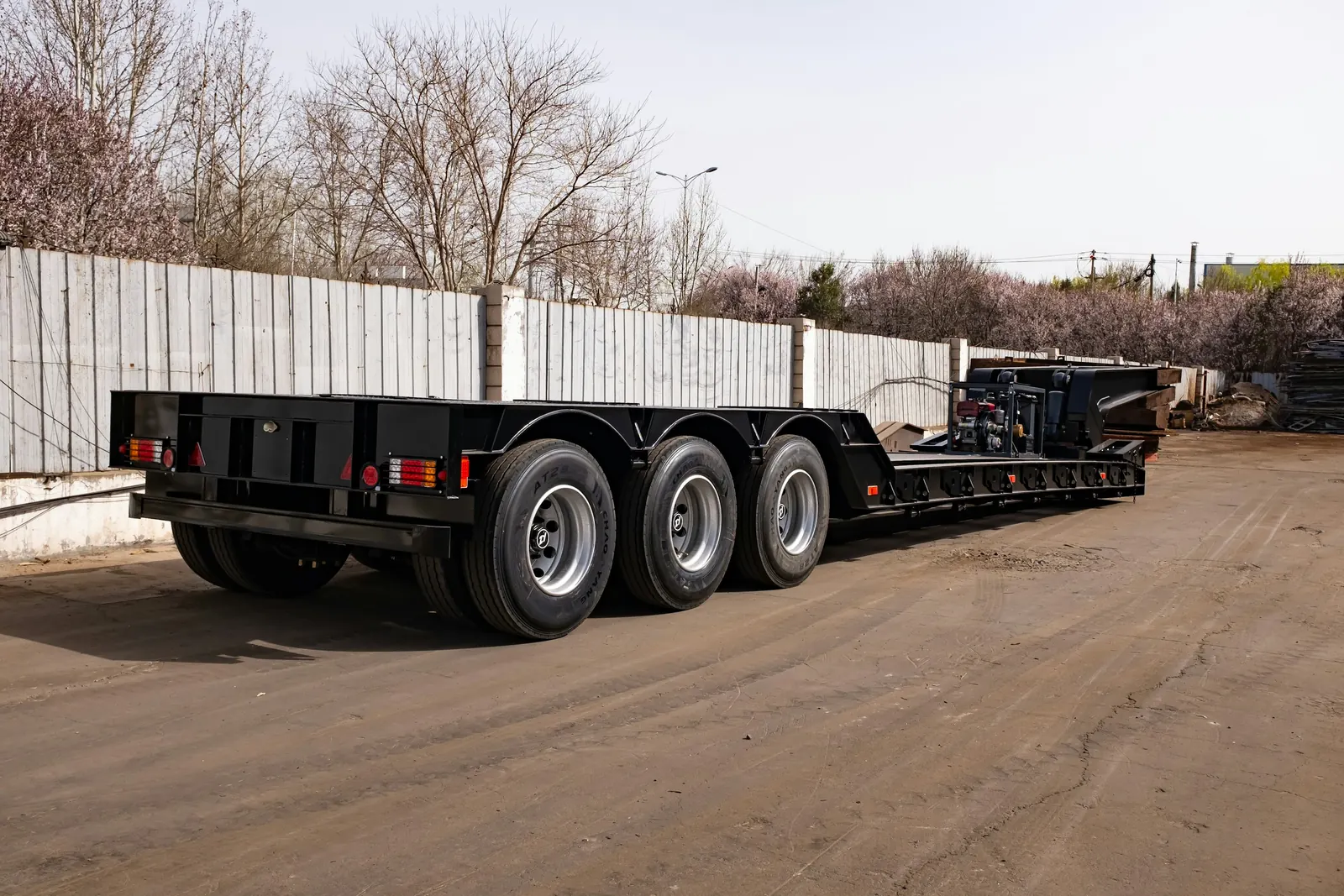
Under section 111 of Ontario’s Highway Traffic Act, a vehicle carrying a load that overhangs the rear by 1.5 metres or more displays at the extreme rear end of the load:
- a red light from half an hour before sunset to half an hour after sunrise, and at any other time when there is insufficient light or unfavourable weather
- a red flag or a red marker at all other times
Section 111 also requires every load to be loaded, bound and secured so that it cannot fall or shift. Section 109 limits a load’s width to 2.6 metres and the height of a vehicle with its load to 4.15 metres, and sets limits on vehicle length. Loads beyond these limits need a special permit.
Québec: one metre and a red flag or reflective panel
In Québec, the reference document for drivers of the École nationale de police du Québec explains that under article 474 of the Highway Safety Code (Code de la sécurité routière), a load that extends more than one metre beyond the rear of the vehicle or trailer carries by day a red flag or a reflective panel at its end, and at night a red light. It adds that a load extending more than 30 centimetres beyond the side of the vehicle carries square red or orange flags at least 40 centimetres on a side, under the regulation on special traffic permits.
Comparing the two
| Ontario | Québec | |
|---|---|---|
| Rear overhang that triggers marking | 1.5 m or more | more than 1 m |
| By day | Red flag or red marker | Red flag or reflective panel |
| At night or in poor light | Red light | Red light |
Securing the pole

A flagpole is long, light and easily scratched. Common practice is to support it at several points along its length, so that it does not bend or bounce, to pad the points of contact to protect the finish, and to tie it down so that it cannot slide forward when braking. The top, with its finial and truck, is the most fragile part. Flag Outlet’s instructions describe a pole delivered wrapped in cardboard and paper and unpacked on sawhorses.
Sectional and telescoping poles
Shorter parts avoid most of these questions. Flag Outlet, a flagpole maker in Coquitlam, B.C., sells 18- and 22-foot sectional poles made in three parts and a 20-foot telescoping pole designed for events, trade shows and homes, which fit in or on an ordinary vehicle. More in the guide to types of flagpoles.
Unloading near power lines
A long pole carried upright, or swung off a truck, can reach overhead lines. The Electrical Safety Authority in Ontario and Hydro-Québec both describe keeping people, tools and equipment at least three metres from overhead power lines; the ESA describes carrying ladders sideways rather than upright for this reason. More in the guide to flagpole safety. How the pole is raised once on site is described in the guide to installing a flagpole.
Frequently asked questions
When does a flagpole sticking out of a vehicle need a red flag in Ontario?
Under section 111 of Ontario’s Highway Traffic Act, a load that overhangs the rear of a vehicle by 1.5 metres or more carries a red flag or red marker at its rear end by day, and a red light from half an hour before sunset to half an hour after sunrise or in poor light.
And in Québec?
According to the École nationale de police du Québec’s reference document for drivers, article 474 of the Highway Safety Code requires a red flag or a reflective panel at the end of a load that extends more than one metre beyond the rear of the vehicle or trailer by day, and a red light at night.
Do the rules differ between provinces?
Yes. Road rules are provincial, so the overhang at which a flag or light is needed, and the limits on vehicle length and width, differ. Ontario’s threshold is 1.5 metres and Québec’s one metre, for example. The provincial ministry of transportation can say what applies.
Is a sectional flagpole easier to transport?
Yes. Sectional and telescoping poles come in shorter parts. Flag Outlet, a Canadian flagpole maker, sells 18- and 22-foot poles made in three parts and a 20-foot telescoping pole, which fit in or on an ordinary vehicle, while a one-piece pole of 25 feet or more is a long load.
Sources
This guide is based on the following sources:
- Highway Traffic Act, R.S.O. 1990, c. H.8, sections 109 and 111 – Government of Ontario, e-Laws
- Document de référence pour le conducteur d’un véhicule tirant une remorque – École nationale de police du Québec
- Sectional & Telescoping Flagpoles – Flag Outlet Ltd.
- 25’ Flagpole Installation Instructions – Flag Outlet Ltd.
- Outdoor Safety – Electrical Safety Authority
- Dangerous activities near power lines – Hydro-Québec
Related guides
- Installing a flagpoleInstalling a flagpole in Canada: provincial building codes, municipal zoning bylaws, utility locates before digging, frost and footings.
- Types of flagpolesFlagpole types in Canada: in-ground poles with a sleeve or tilt base, sectional and telescoping poles, roof and wall poles and nautical poles.
- Flagpole materialsFlagpole materials in Canada – aluminum, fibreglass, steel and wood – how they differ, which finishes exist and what the Canadian climate means.
- Lifespan and sustainabilityHow long flagpoles and flags last in Canada: what wind, ice, frost and salt do, why outdoor flags wear out in months, and how worn flags are retired.