Flagpoles for businesses in Canada: company flags and the rules
Published Written by Flagpole Guides
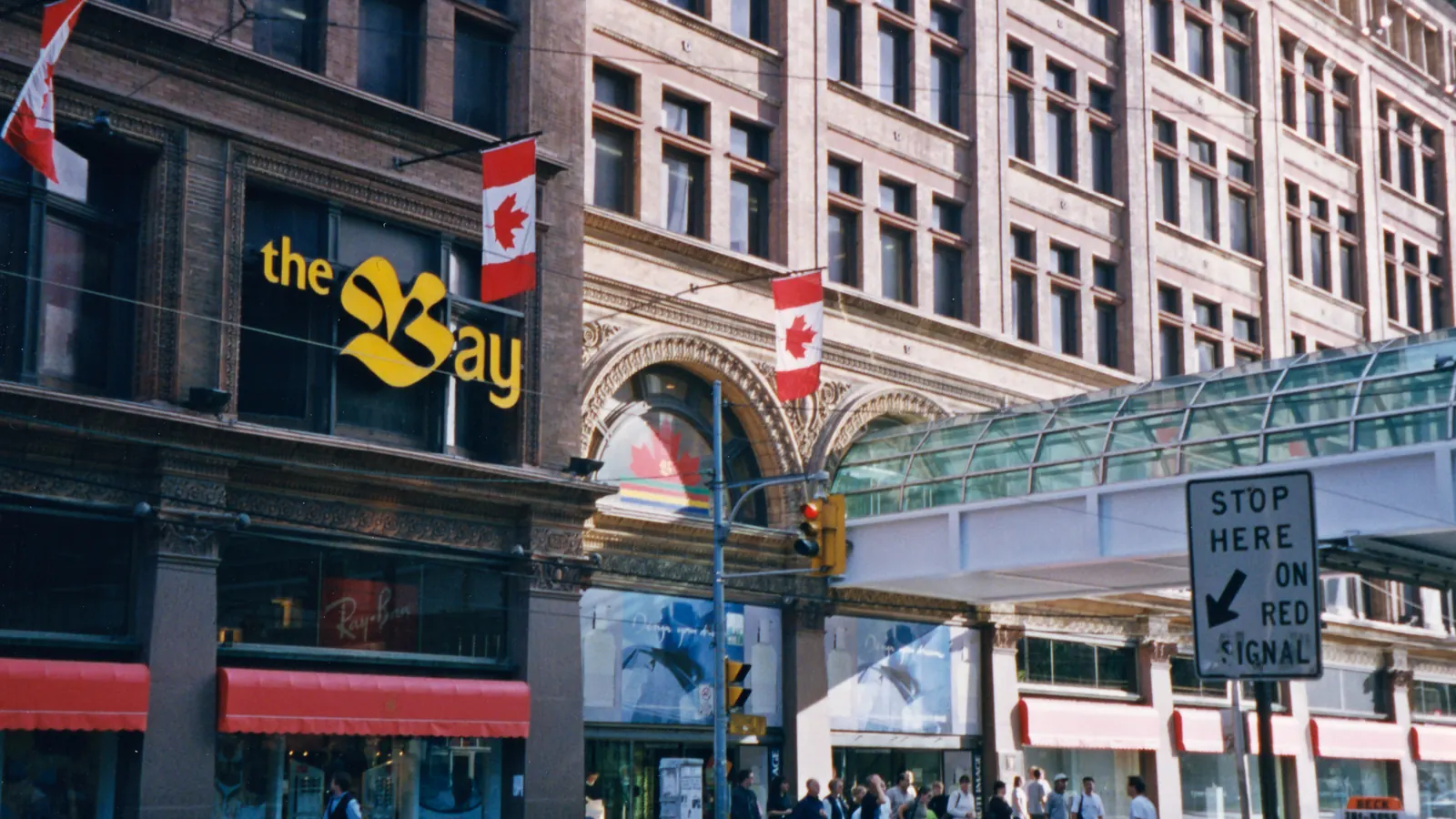
Flagpoles in front of car dealerships, hotels, head offices and industrial parks are a familiar sight in Canada. A business may fly the National Flag, a provincial flag, its own company flag and the flags of other nations. The protocol follows the rules of Canadian Heritage, the sign and zoning bylaws of the municipality set where and how, and the Trademarks Act protects official flags from commercial use.
The order of the flags
According to Canadian Heritage, the order of precedence in Canada is: the National Flag of Canada, the flags of other sovereign nations, the provincial and territorial flags, the flags of municipalities, then the flags and banners of organizations, and finally historical flags. Among organizations, international organizations come first and commercial or private organizations last. A company flag therefore ranks after the national, provincial and municipal flags.
| Number of poles | Arrangement, seen by an observer facing them |
|---|---|
| 2 | National Flag on the left, company flag on the right |
| 3 | National Flag in the centre, provincial flag on the left, company flag on the right |
| More than 3 | National Flag farthest to the left, then the others in order of precedence |
Each flag flies on its own pole, at the same height and about the same size. The National Flag is raised first and lowered last. When the National Flag is half-masted, all flags in the same group, including company flags, are half-masted as well. More in the guide to flag protocol.
The flag of Québec on business premises
In Québec, the rule that the flag of Québec takes precedence over the National Flag applies to buildings under the authority of the Government of Québec, including city halls, according to Canadian Heritage. For a private business, the Gouvernement du Québec’s general rules describe the precedence of a sovereign state’s flag over that of a province or federated state, and of that over a city’s flag, and state that flags in a display are of the same dimensions on identical poles and finials. The Gouvernement du Québec also sets conditions for using or reproducing the flag and arms of Québec.
Flags, trademarks and logos
Section 9 of the Trademarks Act prohibits adopting, in connection with a business, as a trademark or otherwise, a mark consisting of or so nearly resembling as to be mistaken for:
- the arms, crest or flag adopted and used by Canada, a province or a municipal corporation, once the Registrar has given public notice of its adoption
- the national flag of a country of the Paris Union
- the Royal Arms, Crest or Standard, and the Governor General’s standard, arms or crest
According to Canadian Heritage, the National Flag and its 11-point maple leaf are protected symbols under the Trademarks Act.
Sign bylaws and permits
Municipal sign bylaws can treat flags as signs. In Calgary, for example, a flag sign – fabric or flexible material flown from a permanently constructed flagpole or light standard – is a basic sign, with:
- a maximum sign area of two square metres
- up to three flag signs per property with a frontage of 30 metres or less, and six with more
- a height no greater than the maximum for a freestanding sign
- no flag sign on a building roof
Basic signs need no development permit in Calgary when they meet the city’s conditions. Other municipalities have their own sign bylaws, and the zoning bylaw decides where a flagpole may stand; in Toronto’s residential zones, for instance, a rooftop flagpole may exceed the building’s height limit by 1.5 metres. More in the guide to installing a flagpole.
Several poles
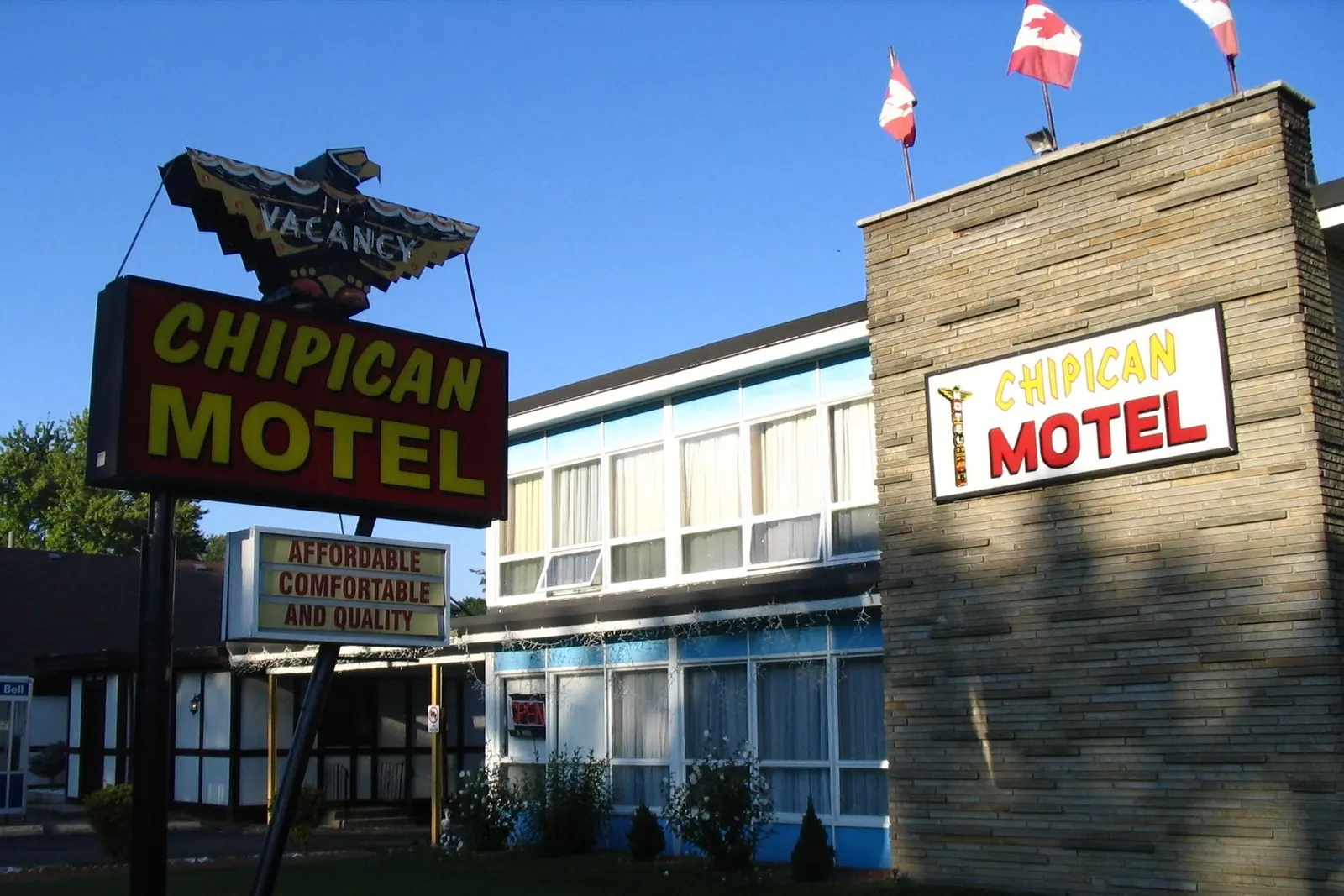
According to Canadian Heritage, a common combination is the National Flag with a provincial or territorial flag and a municipal or organizational flag. A row of flagpoles ideally runs parallel to the building’s frontage, in order of precedence as seen by approaching visitors, and when a group of buildings functions as a unit, a single flag display can represent the whole complex. Vacant poles are disregarded when working out the order.
Lighting and safety
The National Flag may fly day and night without lighting, according to Canadian Heritage; a lit display is a business’s own choice, and the electrical work follows provincial rules. Poles on business premises are often accessible to the public; the Gouvernement du Québec suggests internal halyards with a locking device for such poles. More in the guides to flag lighting and flagpole safety.
Frequently asked questions
Can a company flag fly beside the Canadian flag?
Yes, on its own pole. According to Canadian Heritage, the National Flag of Canada is always flown on its own flagpole and takes the position of honour; organizational flags come after the national, provincial, territorial and municipal flags, with commercial and private organizations last among organizations.
Can a business use the Canadian flag in its logo?
Section 9 of the Trademarks Act prohibits adopting, in connection with a business, a mark consisting of or resembling a flag adopted and used by Canada, a province or a municipality once public notice of it has been given, or the national flag of a country of the Paris Union. According to Canadian Heritage, the flag and its maple leaf are protected symbols under the Trademarks Act.
Does a company flag need a permit?
It can. Municipal sign bylaws can treat flags as signs. In Calgary, for example, a flag sign flown from a permanent flagpole is a basic sign with a maximum area of two square metres, up to three per property with a frontage of 30 metres or less, and not on a roof; basic signs need no development permit when they meet the city’s conditions.
Where does the company flag go in a row of three poles?
According to Canadian Heritage, with three flags the National Flag of Canada is in the centre, the provincial or territorial flag to its left and the municipal or organizational flag to its right, as seen by an observer facing them. In Québec, on buildings under provincial authority, the flag of Québec takes the place of honour.
Sources
This guide is based on the following sources:
- Position of honour of the National Flag of Canada – Canadian Heritage
- Rules for flying the National Flag of Canada – Canadian Heritage
- Description of the National Flag of Canada – Canadian Heritage
- Trademarks Act, section 9 – Justice Laws Website
- Sign permits – City of Calgary
- City of Toronto Zoning By-law 569-2013, Chapter 10 – City of Toronto
- Règles générales d’utilisation du drapeau national – Gouvernement du Québec
- Utilisation ou reproduction – Gouvernement du Québec
Related guides
- Foreign flags in CanadaHow flags of other nations are flown in Canada: the Canadian flag’s place, the Union Jack’s three roles, the UN, NATO and Commonwealth flags.
- Flag lightingCan the Canadian flag fly at night without lights? What Canadian Heritage and Québec say, and who may do outdoor electrical work in Ontario and Québec.
- Flag protocolThe order of precedence for flags in Canada, the position of honour with two, three or more flags, provincial and territorial flags and Québec’s rule.
- Flagpole safetyFlagpole safety in Canada: the three-metre rule near power lines, buried cables, Environment Canada’s wind warnings, ice, heights and vandalism.