Flag flying rules in New Zealand
Published Written by Flagpole Guides
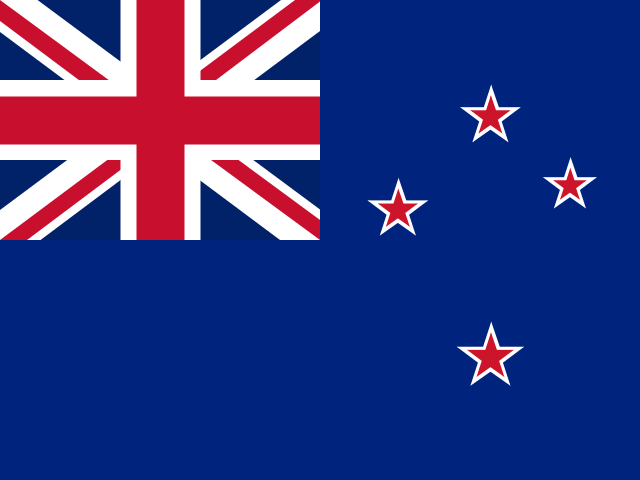
The New Zealand flag is defined by law, and how it is flown is partly law and partly etiquette. The Flags, Emblems, and Names Protection Act 1981 declares the flag, protects it from misuse and lets the Minister set rules for government land and buildings, which is done in the New Zealand Flag Notice 2024. For everyone else, Manatū Taonga – Ministry for Culture and Heritage (MCH) publishes display rules and advice. Under section 10 of the Act, rules of conduct and etiquette published for general guidance have no force of law.
Who may fly the flag
According to MCH, the New Zealand flag can be flown any day of the year, especially on days of national commemoration like Anzac Day and other important occasions. It represents the people of New Zealand and, in MCH’s words, should be treated with respect. Government buildings are required to fly the flag and follow the protocols, including half-masting directives. Local government, schools, private entities and private individuals can fly it and follow the directives, but are not required to. No permission is needed to fly the flag.
Times of day
The Flag Notice 2024 sets the times for government buildings:
- a flag that is flown on any day or part of a day is flown continuously throughout that day or part of the day
- the flag is not flown at night on a government building unless it is floodlit
- a government building is not required to fly the flag on a weekend or holiday that is not a normal working day for the people who work in it.
Lighting is covered in the guide to flag lighting.
Raising and flying the flag
According to MCH’s display rules, when the flag is flown from a flagpole on a rope, the first quarter, with the Union Jack, is uppermost and as close as possible to the top of the mast, tight with the flagpole. MCH’s glossary describes a flag as broken when it is allowed to break free at the top of the pole after being furled and hoisted. A house flag, the flag of a company, club or organisation, may fly beneath the New Zealand flag on the same flagpole, and other flags are not flown above the New Zealand flag when it is at half-mast.
Flat, vertical and on a platform
MCH describes how the flag is displayed away from a flagpole:
- Flat against a wall or in a window: the first quarter is in the top left position.
- Suspended vertically above a street: the first quarter faces north in an east–west street and east in a north–south street.
- On a speaker’s platform: on a flagstaff on the right-hand side of the speaker.
- Covering a statue, monument or plaque at an unveiling: used for this when the occasion has national significance.
- Car flags: usually flown only on a car carrying a Crown minister, a New Zealand ambassador overseas or the Chief of the New Zealand Defence Force.
- Table flags: double-sided miniature flags on a mast and stand, for conferences, restaurants and desks.
Condition and disposal
According to MCH, the New Zealand flag should never be flown in a dilapidated condition, and MCH suggests removing it until it can be replaced. An old flag is not destroyed in public view: MCH suggests burning it discreetly in some type of incinerator rather than taking it to a rubbish dump, and notes that some flag-making companies offer facilities for disposing of flags. In strong wind, MCH notes that smaller storm flags can be used when wind speeds are expected to exceed 48 knots. How long a flag lasts is covered in the guide to flagpole lifespan.
Offences
Section 11 of the Act makes two things an offence:
- altering the New Zealand flag, without lawful authority, by placing any letter, emblem or representation on it
- using, displaying, destroying or damaging the flag in or within view of a public place with the intention of dishonouring it.
The offences also cover a flag that so closely resembles the New Zealand flag that people are likely to believe it is the flag. Under section 24, the maximum fine is $5,000 for an individual and $50,000 for a body corporate, and under section 25, a prosecution needs the consent of the Attorney-General. MCH can prosecute misuse under the Act.
The flag in advertising
According to MCH, any person or organisation may use the New Zealand flag in advertising. The flag is reproduced in its true form and colours, and letters or designs are not added to it unless they appear in a different dimension and are clearly separate from the flag’s design. MCH can be contacted about using the flag in advertisements or for commercial purposes. More in the guide to flagpoles for businesses.
Other flags
The Tino Rangatiratanga flag, the national Māori flag, is flown in a way that respects the status of the New Zealand flag as the symbol of the Realm, Government and people of New Zealand, according to MCH. The New Zealand Red Ensign may be flown on land in places or on occasions of Māori significance, a customary use protected by section 9 of the Act. The order of flags is explained in the guide to flag protocol, and the official flags in the guide to flag types.
Frequently asked questions
Is there a law on how the New Zealand flag is flown?
The Flags, Emblems, and Names Protection Act 1981 defines the flag and lets the Minister prescribe how it is flown on government land and buildings, which is done in the New Zealand Flag Notice 2024. Rules of etiquette for everyone else are published by Manatū Taonga as guidance; according to section 10 of the Act, they have no force of law.
Can the New Zealand flag be flown at night?
The Flag Notice 2024 states that the flag is not flown at night on a government building unless it is floodlit. The notice applies to government buildings; for other flag owners it indicates official practice rather than a rule.
Is it illegal to damage the New Zealand flag?
Under section 11 of the Flags, Emblems, and Names Protection Act 1981, it is an offence to use, display, destroy or damage the flag in or within view of a public place with the intention of dishonouring it, and to alter it without lawful authority by placing a letter, emblem or representation on it. The maximum fine is $5,000 for an individual, and a prosecution needs the consent of the Attorney-General.
What happens to an old or worn flag?
According to Manatū Taonga, the New Zealand flag should never be flown in a dilapidated condition, and it is not destroyed in public view. Manatū Taonga suggests disposing of an old flag by burning it discreetly in some type of incinerator rather than taking it to a rubbish dump; some flag makers offer disposal facilities.
Can a business use the New Zealand flag in advertising?
Yes. According to Manatū Taonga, any person or organisation may use the New Zealand flag in advertising, provided the flag is reproduced in its true form and colours. Letters or designs are not added to the flag unless they appear in a different dimension and are clearly separate from its design.
Sources
This guide is based on the following sources:
- Flags, Emblems, and Names Protection Act 1981, sections 5, 10, 11, 24 and 25 – New Zealand Legislation
- New Zealand Flag Notice 2024 – New Zealand Gazette
- New Zealand flag – Manatū Taonga – Ministry for Culture and Heritage
- Display rules for the New Zealand flag – Manatū Taonga – Ministry for Culture and Heritage
Related guides
- Flag daysAll days of national commemoration on which the New Zealand flag is flown in 2026 and 2027, from Waitangi Day and Anzac Day to Matariki and Labour Day.
- Half-mastWhat half-mast means in New Zealand: how far down the flag flies, how it is raised and lowered, who issues directives and when flags are flown at half-mast.
- Flag protocolThe position of honour for the New Zealand flag: a line of flags, buildings, circles, yardarms and gaffs, and flying it with the Tino Rangatiratanga flag.
- Flag lightingWhen the New Zealand flag flies at night, how flags are lit, light spill and district plan lighting rules, and who may do the electrical work on a flagpole.
- Flag typesThe official flags of New Zealand: the national flag, the red and white ensigns, the air ensigns, the Governor-General’s flag and the Tino Rangatiratanga flag.