
Types of flagpoles in New Zealand – an overview
Published Written by Flagpole Guides
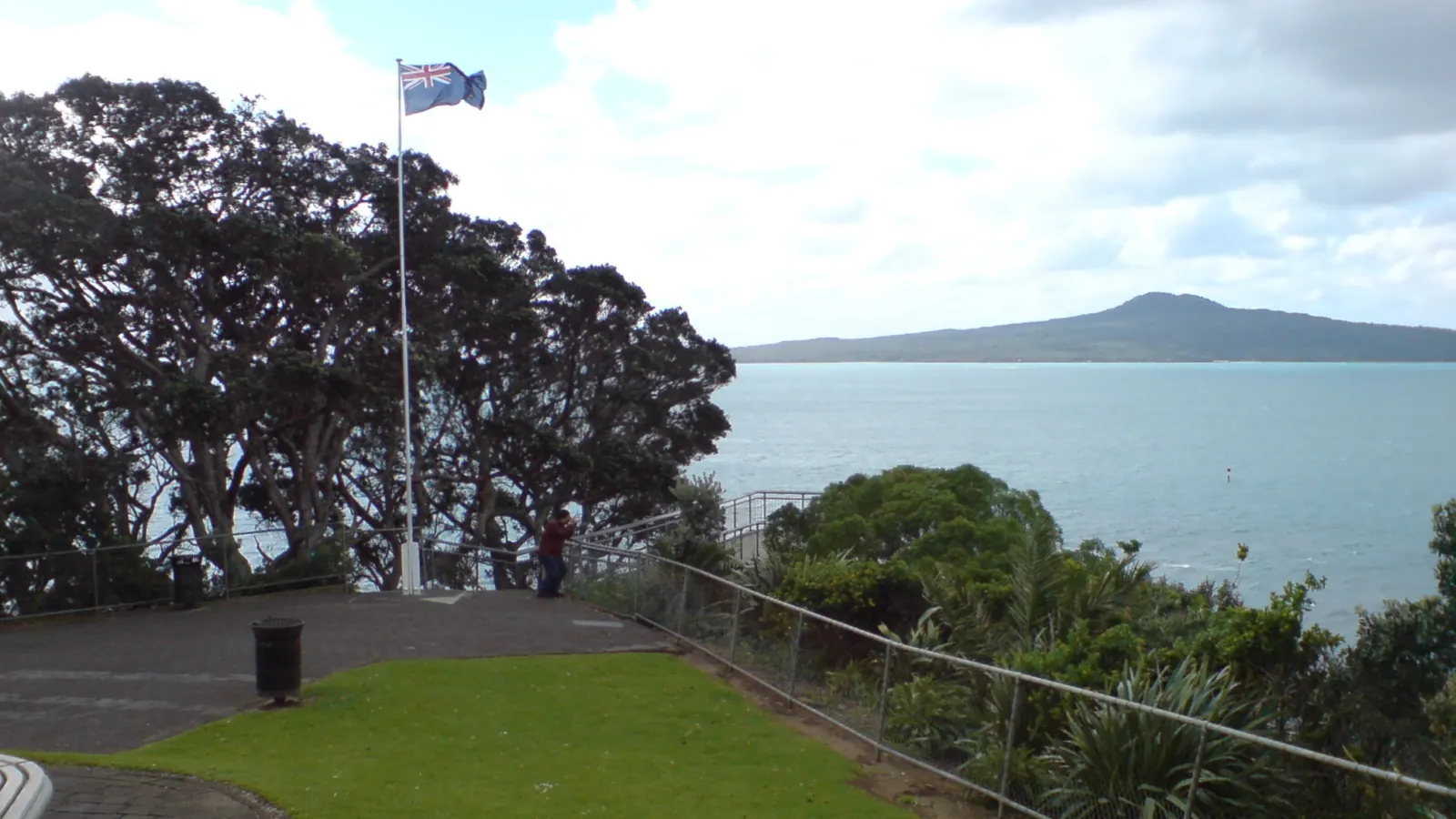
A flagpole can be a short pole on a deck or a flag mast with rigging for several flags. In New Zealand, most flagpoles sold for homes and businesses are powder-coated aluminium, and they differ mainly in how they are fixed and how the flag is raised. The Flag & Banner Company, one of the flag makers listed by Manatū Taonga, names four ways of mounting a pole: over a spigot concreted into the ground, on a plinth-type spigot, on a folding spigot, or fixed direct to a substantial structure like a wall or post.
In-ground poles
The most common type is the in-ground pole standing over a spigot or in a ground tube. According to the Flag & Banner Company, a spigot concreted into the ground is usually the most economic way to mount a pole. The flag maker Flagmakers supplies its poles with a 1 metre galvanised ground tube into which the pole is set. A pole on a spigot or in a tube can be taken out for maintenance or replacement. Footings are covered in the guide to installing a flagpole.
Base plates and plinths
Where the pole stands on concrete, a paving or a plinth, it is fixed with a base mount or a plinth-type spigot bolted to the concrete. Flagmakers describes a heavy-duty base mount for mounting a pole directly onto concrete.
Folding poles
On a folding spigot, the pole is hinged at the base and can be lowered to the ground. This makes it possible to change the halyard or service the top of the pole without working at height, as described in the guide to flagpole safety.
Poles on decks, walls and buildings
Some sites have no room for an in-ground pole. Flagmakers supplies parapet mounts for fixing a pole to decks and facades, and short wall-mounted staffs, often at an angle, are common on shops and houses. Under the Building Act 2004, a mast pole on a building that is more than 7 metres above its point of attachment or base support is itself a building. More in the guide to installing a flagpole.
Flag masts with yardarm and gaff

A flag mast in the nautical style has a yardarm and sometimes a gaff. The glossary of Manatū Taonga – Ministry for Culture and Heritage (MCH) defines a yardarm as a spar slung horizontally across a flagpole and a gaff as a spar extending out from it. A flag mast can carry several flags from one pole. According to MCH, if the flagpole has a gaff, the New Zealand flag is flown from the gaff and above any other flag. The positions are explained in the guide to flag protocol.
External or internal halyard
- External halyard: the rope runs outside the pole and is tied off on a cleat. It is simple and easy to reach.
- Internal halyard: the rope runs inside the pole and is reached through a lockable access point, as on Flagmakers’ internal halyard poles. According to the Flag & Banner Company, the minimum pole section for an internal halyard is 3 inches, 76.25 mm.
How the parts work is explained in the guide to how a flagpole works.
Straight or tapered
Flagpoles are either the same diameter along their whole length or tapered, narrower at the top. According to the Flag & Banner Company, a tapered pole is a cost-effective way to make and transport poles over 6 metres long, with easy assembly on site, and bigger-diameter poles have more presence. Flagmakers lists a 5 metre pole of 50 mm diameter and a 6.8 metre pole of 75 mm diameter.
Indoor and portable poles
Indoor ceremonial flagpoles, often of wood, carry a flag with a sleeve for council chambers, schools and halls, and portable flag bases hold teardrop and feather flags at events. Materials are compared in the guide to flagpole materials, and heights in the guide to flagpole heights.
Frequently asked questions
What types of flagpoles are there?
The main types are in-ground poles on a spigot or ground tube, poles on a base plate or plinth, folding poles that can be lowered, poles fixed to a wall, deck or parapet, and flag masts with a yardarm and gaff. They differ in how they are fixed, how the flag is raised and how many flags they carry.
What is the difference between an internal and an external halyard?
With an external halyard, the rope runs on the outside of the pole. With an internal halyard, it runs inside the pole and is reached through a lockable access point. According to the Flag & Banner Company, an internal halyard needs a pole section of at least 3 inches, 76.25 mm.
What are a yardarm and a gaff?
According to the glossary of Manatū Taonga, a yardarm is a spar slung horizontally across a flagpole, and a gaff is a spar extending out from a flagpole. When a flagpole has a gaff, the New Zealand flag is flown from the gaff, above any other flag.
Can a flagpole be fixed to a house or deck?
Yes. New Zealand flag makers supply parapet mounts for decks and facades, and poles can be fixed direct to a substantial structure like a wall or post. Under the Building Act 2004, a mast pole on a building that is more than 7 metres above its point of attachment is itself a building.
Sources
This guide is based on the following sources:
- Flagpoles – Flag & Banner Company
- Supreme flag pole – marine-grade aluminium – Flagmakers
- Supreme internal halyard flag pole – Flagmakers
- Display rules for the New Zealand flag – Glossary of flag terms – Manatū Taonga – Ministry for Culture and Heritage
- Building Act 2004, section 8 – New Zealand Legislation
Related guides
- Flagpole materialsFlagpole materials compared for New Zealand conditions: marine-grade aluminium, powder coating and anodising, fibreglass, steel and timber, sea spray and wind.
- Flagpole heightsHow tall a flagpole can be in New Zealand: the 7 metre line in the Building Act and district plans, common heights of 5 to 12 metres and matching flag sizes.
- How a flagpole worksHow a flagpole works: the halyard and truck, internal and external halyards, breaking a flag at the top, half-masting, yardarms and gaffs, and folding spigots.
- Flagpole accessoriesThe parts of a flagpole explained: truck and pulley, halyard, toggles and sister clips, cleat, lockable halyard access, yardarm, gaff, spigot and lighting.