
Transporting a flagpole in New Zealand: rules for long loads
Published Written by Flagpole Guides
A flagpole is often longer than the vehicle that carries it. A 6 metre pole on a ute or roof racks sticks out well beyond the back, which brings in the rules for projecting loads. In New Zealand, these rules are national and are set out in the Land Transport Rule: Vehicle Dimensions and Mass 2016, which NZ Transport Agency Waka Kotahi (NZTA) explains on its website.
Projecting loads
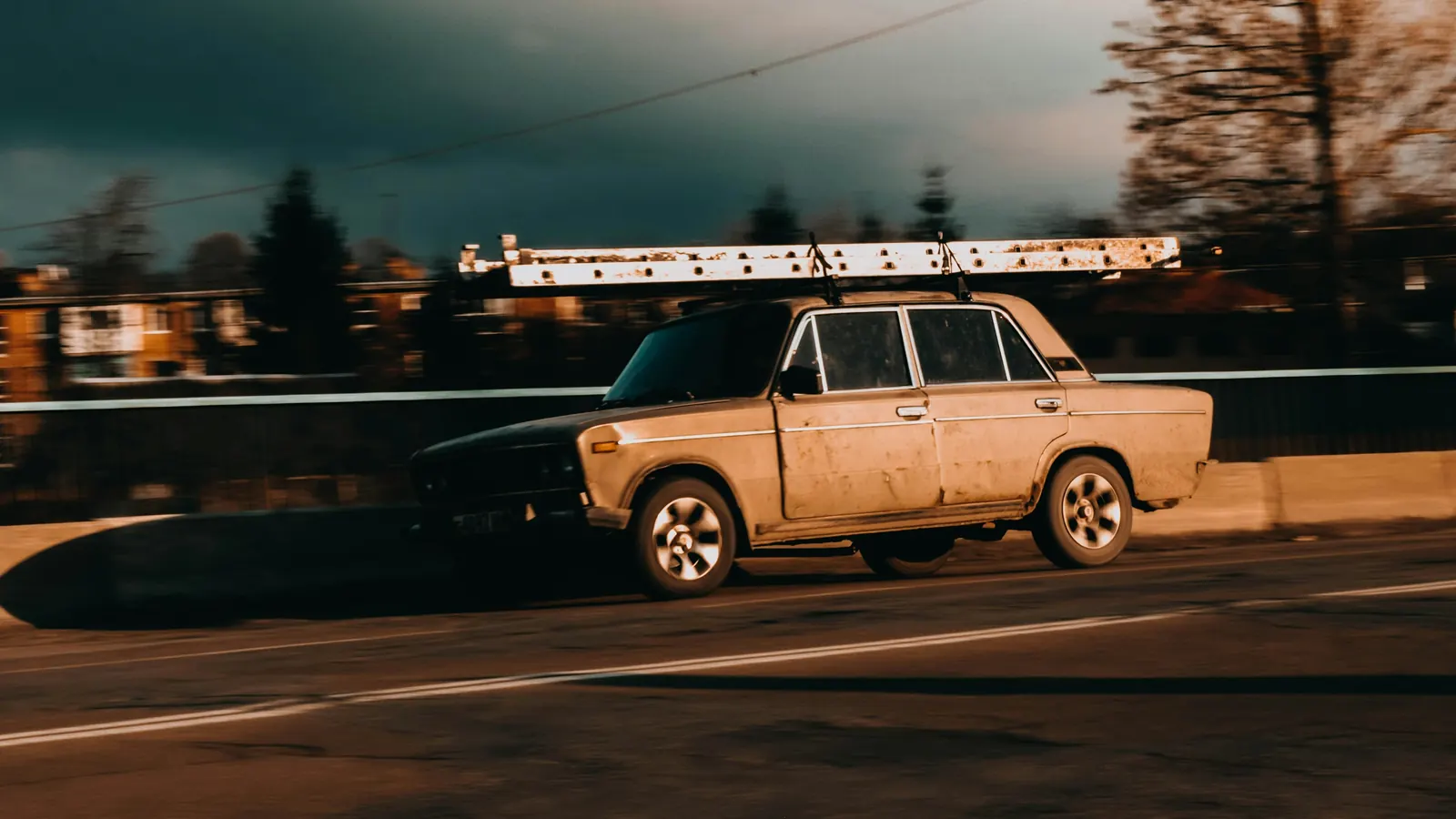
According to NZTA, a vehicle may carry a load that is higher, longer or wider than the vehicle itself, provided the load does not exceed the maximum permitted dimensions for that class of vehicle and the vehicle can be moved safely. The operator is responsible for securing the load so that the vehicle stays stable. A load that exceeds the standard dimension limits falls under the rules for overdimension vehicles and loads.
Warning devices
A load that overhangs the body or deck of the vehicle by more than 1 metre to the front or rear, or more than 200 mm to the left or right, carries warning devices attached to the overhanging end:
| Requirement | |
|---|---|
| By day | A clean white, or fluorescent red, orange or yellow flag of at least 400 × 300 mm, or a hazard warning panel with an orange diagonal stripe on a yellow-green background |
| At night, load extending more than 1 m behind, up to 1 m wide | One red lamp facing rearwards at the centre of the load |
| At night, load extending more than 1 m behind, over 1 m wide | One red lamp facing rearwards on each side of the load |
| At night, load extending more than 1 m in front | White or amber lamps facing forwards |
According to NZTA, the lights are clearly visible in clear weather at a distance of at least 200 metres, and hazard panels that extend beyond the edge of the vehicle are frangible, breakable or readily deformable. Displaying the lights at night is an operating requirement for all vehicles, whenever they were first registered.
Trailers
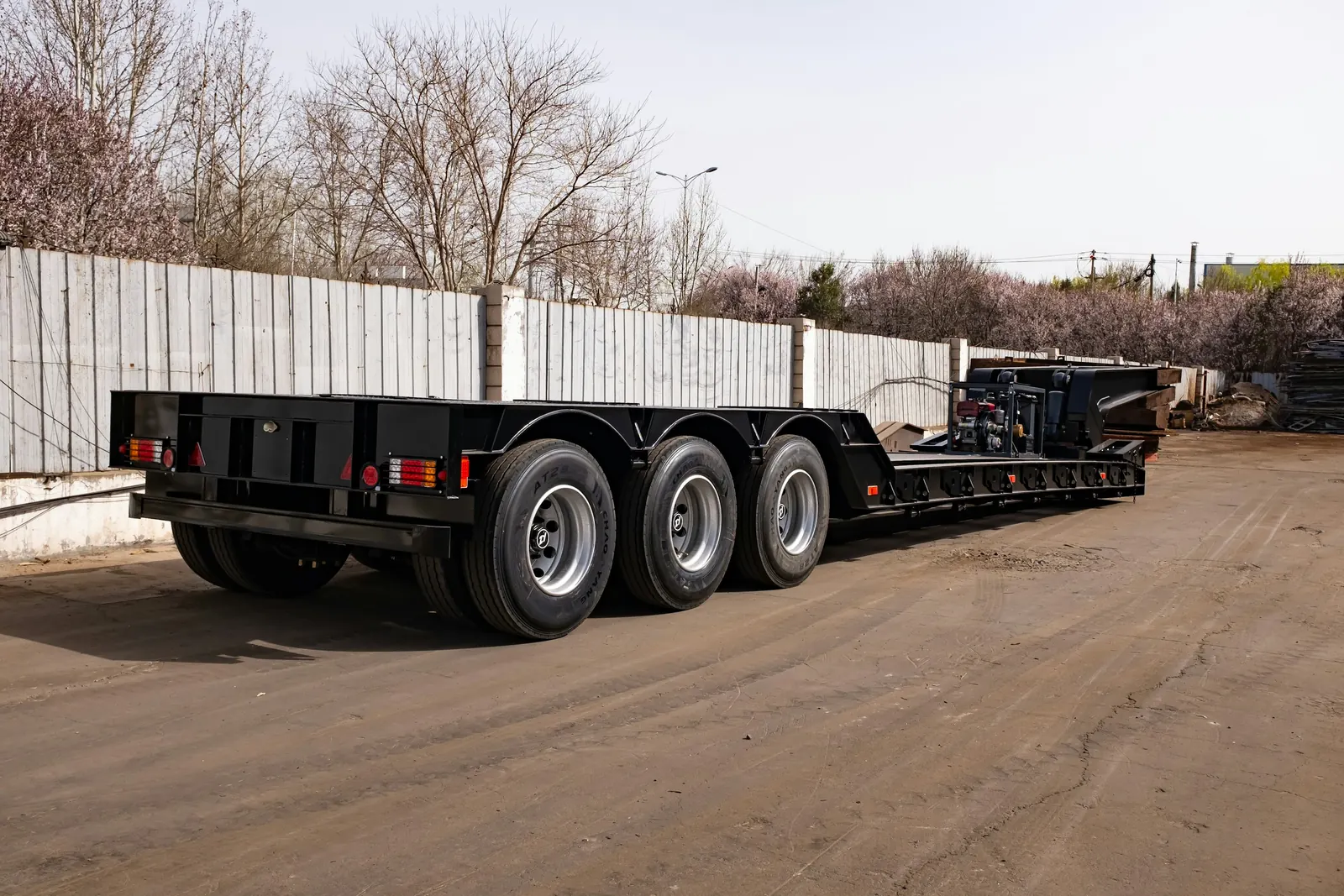
A long pole is often easier to carry on a trailer. According to NZTA, the maximum rear overhang for all light trailers is 4.0 metres, measured from the rear axis to the rear of the trailer or its load, whichever is greater. The same warning rules for loads extending more than 1 metre apply.
Securing the load
A pole that shifts in braking or cornering is a hazard for other road users, and a long pole supported at several points bends less. Tapered poles, which according to the Flag & Banner Company are a cost-effective way to make and transport poles over 6 metres long, come in sections that are assembled on site and avoid much of the overhang. More in the guide to types of flagpoles.
Delivery by the supplier
Many suppliers deliver long poles by truck or courier, and delivery can be a noticeable part of the cost, as described in the guide to buying a flagpole. The effect of the pole’s material on its weight is covered in the guide to flagpole materials, and the site in the guide to installing a flagpole.
Frequently asked questions
When does a flagpole on a vehicle need a warning flag?
According to NZ Transport Agency Waka Kotahi, a load that overhangs the body or deck of the vehicle by more than 1 metre to the front or rear, or by more than 200 mm to either side, carries a warning device on the overhanging end. By day it is a flag or hazard warning panel of at least 400 × 300 mm; at night, lights.
What colour is the warning flag?
According to NZTA, the flag is clean white, or fluorescent red, orange or yellow, and at least 400 millimetres long by 300 millimetres wide. A hazard warning panel with an orange diagonal stripe on a yellow-green background can be used instead.
What is required at night?
A load extending more than 1 metre behind the vehicle carries a red lamp facing rearwards, one at the centre if the load is up to 1 metre wide, or one on each side if it is wider. According to NZTA, the lights are clearly visible in clear weather from at least 200 metres.
How far can a load overhang a trailer?
According to NZTA, the maximum rear overhang for all light trailers is 4.0 metres, measured from the rear axis to the rear of the trailer or its load, whichever is greater.
Sources
This guide is based on the following sources:
- Light trailers – projecting loads and rear overhang – NZ Transport Agency Waka Kotahi
- Vehicle Dimensions and Mass 2016 (Rule 41001/2016) – NZ Transport Agency Waka Kotahi
- Flagpoles – Flag & Banner Company
Related guides
- Installing a flagpoleInstalling a flagpole in New Zealand: building consent under the Building Act, district plan rules, heritage, footings, underground services and power lines.
- Types of flagpolesFlagpole types in New Zealand: in-ground poles on a spigot, folding spigots, base and parapet mounts, tapered poles, and flag masts with yardarm and gaff.
- Flagpole materialsFlagpole materials compared for New Zealand conditions: marine-grade aluminium, powder coating and anodising, fibreglass, steel and timber, sea spray and wind.
- Lifespan and sustainabilityHow long flagpoles and flags last in New Zealand sun, wind and sea spray, what shortens their life, storm flags, and how old flags and poles are disposed of.