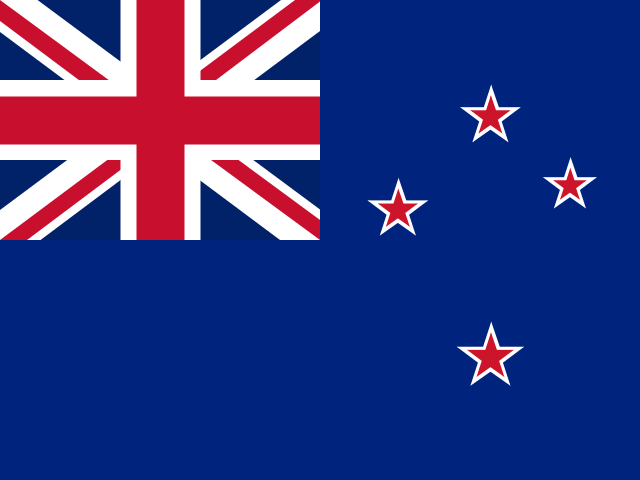
Flagpole and flag lifespan in New Zealand conditions
Published Written by Flagpole Guides
A flagpole and the flag on it age at very different speeds. The pole can stand for decades; the flag, in New Zealand sun, wind and sea spray, may last a season. What decides the lifespan of both is exposure: UV, wind, salt and how many hours a day the flag flies.
How long a flag lasts
No New Zealand authority sets a lifespan for a flag, and the answer depends on where it flies. A flag on an exposed coastal or hilltop site wears faster than one in a sheltered garden, and a flag that flies day and night faster than one flown only by day. Under the New Zealand Flag Notice 2024, the flag is not flown at night on a government building unless it is floodlit.
According to Manatū Taonga – Ministry for Culture and Heritage (MCH), the New Zealand flag should never be flown in a dilapidated condition, and MCH suggests removing it until it can be replaced. A faded or frayed flag therefore reaches the end of its use before it wears through.
What extends a flag’s life
- Fabric: according to MCH, flags are made in durable polyester bunting, while cheaper printed flags are made in polyester knit. FlagSeller offers a heavy-duty woven flag for regular outdoor use in more exposed and windier locations.
- Wind: according to MCH, large flags suit calm days or ceremonial occasions, and smaller storm flags can be used instead when wind speeds are expected to exceed 48 knots.
- Daylight only: a flag that is taken down at dusk spends fewer hours in the weather.
- Finish: a reinforced fly edge resists fraying, as described in the guide to buying a flag.
- Care: letting the flag dry fully before it is folded and stored helps prevent mildew.
How long a flagpole lasts
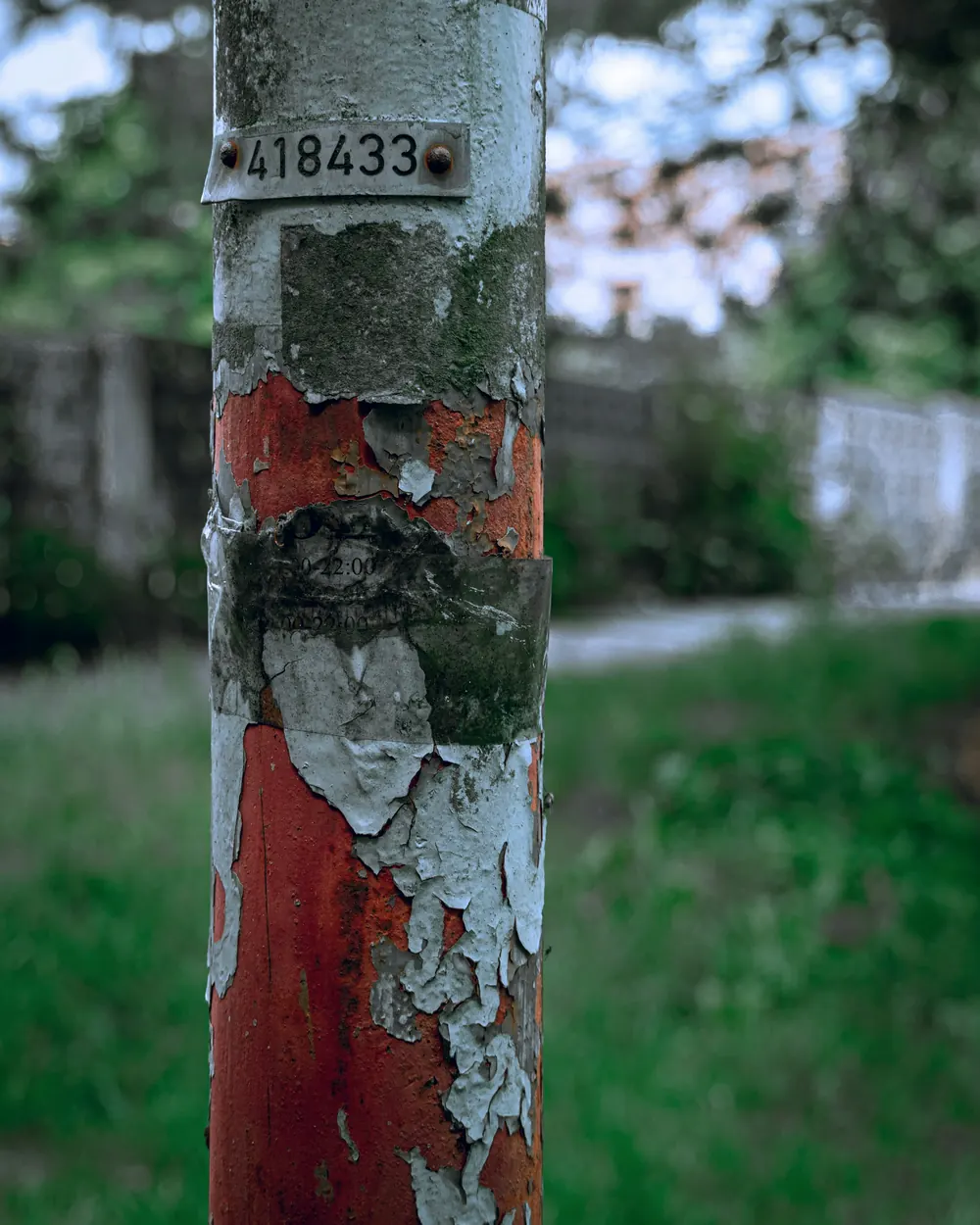
The pole itself lasts far longer. New Zealand flag makers use marine-grade aluminium with a powder-coated or anodised finish. Flagmakers describes its poles as designed to last for many years in New Zealand’s harsh environment and as having been used throughout the country for about 20 years, with a ten-year guarantee on the colour of the powder coating. What shortens a pole’s life:
- corrosion at the base, where water and salt collect
- damage to the finish, which exposes the metal; according to the Flag & Banner Company, uncoated mill-finish aluminium turns black with weathering
- storms, which can bend or crack a pole
- loose or cracked footings.
Parts such as the halyard, pulley, clips and truck wear out several times during the life of a pole and are replaced. More in the guides to flagpole maintenance and flagpole repair.
Sustainability
- A longer life: a pole that lasts, with replaceable parts, uses fewer resources than one replaced early. Aluminium can be recycled at the end of its life.
- Fewer flags: flying by day, using a storm flag in strong wind and taking the flag down in storms reduce how many flags are needed.
- Made in New Zealand: Flagmakers states that all components of its poles are made in New Zealand.
Old flags
When a flag is no longer suitable for use, MCH describes how it is disposed of: not destroyed in public view, but burned discreetly in some type of incinerator, not taken to a rubbish dump. Some flag-making companies offer facilities for disposing of flags. More in the guide to flag flying rules, and a comparison of materials in the guide to flagpole materials.
Frequently asked questions
How long does a flag last outdoors?
It depends on exposure. Sun, wind and sea spray wear a flag faster than a sheltered site, and a flag that flies day and night wears faster than one flown only by day. According to Manatū Taonga, the New Zealand flag should never be flown in a dilapidated condition, so a faded or frayed flag reaches the end of its use before it wears through.
How long does a flagpole last?
Much longer than the flag. New Zealand flag makers describe their powder-coated marine-grade aluminium poles as designed to last many years in New Zealand’s harsh environment, and Flagmakers states that its poles have been used throughout New Zealand for about 20 years. Parts such as the halyard wear out and are replaced several times.
What extends a flag’s life?
Flying it by day only, taking it down or using a smaller storm flag in strong wind, and letting it dry before storing it. According to Manatū Taonga, smaller storm flags can be used when wind speeds are expected to exceed 48 knots.
How is an old flag disposed of?
According to Manatū Taonga, an old New Zealand flag is not destroyed in public view. It is disposed of by burning it discreetly in some type of incinerator, not by taking it to a rubbish dump, and some flag-making companies offer facilities for disposing of flags.
Sources
This guide is based on the following sources:
- New Zealand flag – Flags in poor condition, disposal and storm flags – Manatū Taonga – Ministry for Culture and Heritage
- Supreme flag pole – marine-grade aluminium – Flagmakers
- Flagpoles – Flag & Banner Company
- Heavy-duty New Zealand flag – FlagSeller
- New Zealand Flag Notice 2024, clause 6 – New Zealand Gazette
Related guides
- Flagpole materialsFlagpole materials compared for New Zealand conditions: marine-grade aluminium, powder coating and anodising, fibreglass, steel and timber, sea spray and wind.
- Flagpole maintenanceFlagpole and flag maintenance in New Zealand conditions: checking the pole, mount and halyard, UV and sea spray, folding, storing and disposing of flags.
- Flagpole repairCommon flagpole faults in New Zealand and their causes: broken or stuck halyards, seized pulleys, wrapped flags, corrosion, loose mounts and storm damage.
- Flag flying rulesThe rules for flying the New Zealand flag: who may fly it, flying at night, the flag’s condition and disposal, advertising and the offences in the Flags Act.