Flagpole materials in New Zealand: aluminium, fibreglass, steel or timber?
Published Written by Flagpole Guides
The material of a flagpole decides how it copes with New Zealand conditions: strong UV, salt spray along a long coastline, and wind that funnels through gorges and over ridges. Most poles sold in New Zealand are aluminium, but fibreglass, steel and timber each have their place. The Building Act 2004 requires all building work to comply with the Building Code, which includes structure and durability, whether or not a building consent is needed.
Aluminium
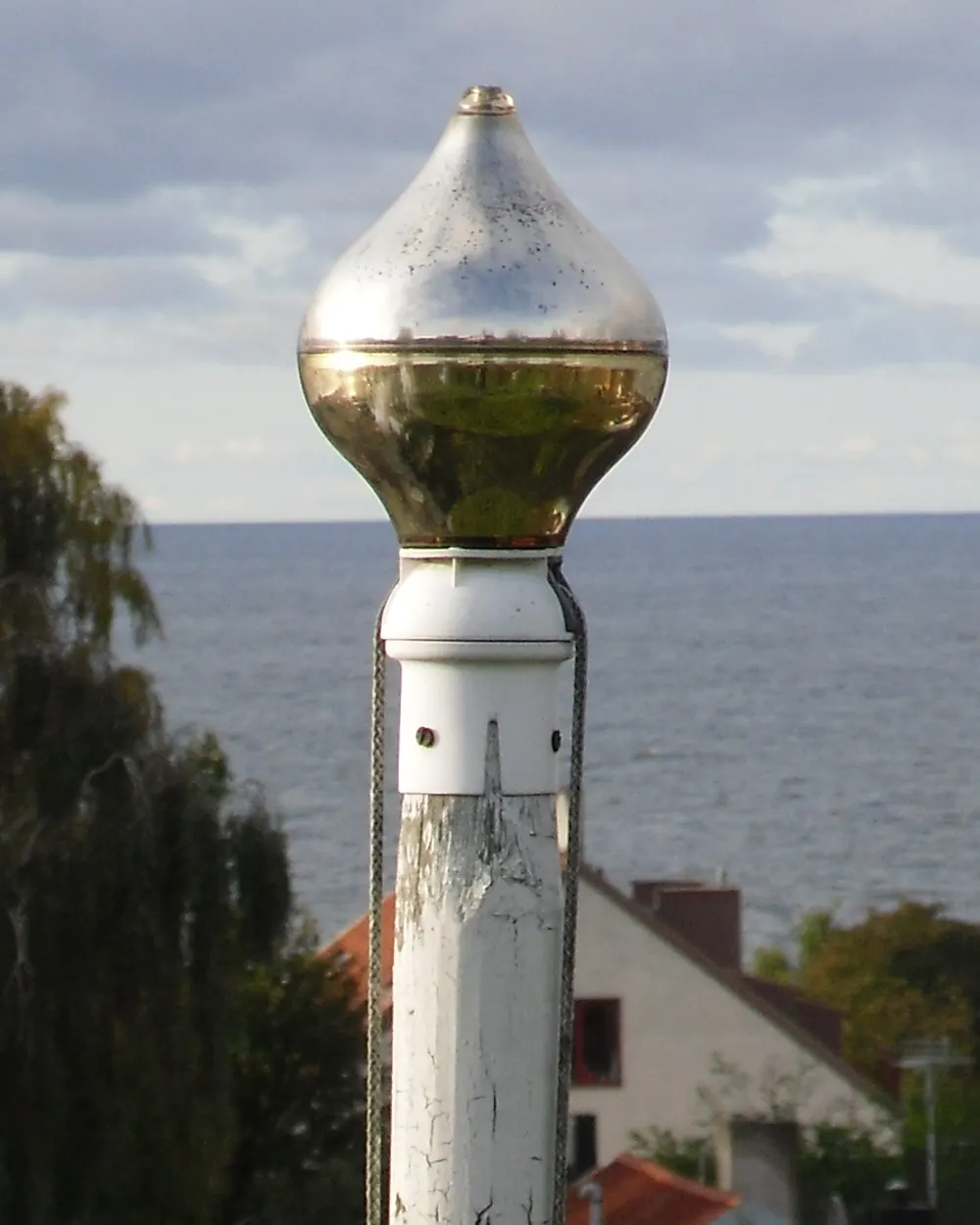
New Zealand flag makers use marine-grade aluminium. The Flag & Banner Company makes its conventional flagpoles with all marine-grade components and supplies them powder-coated white as stock, with other powder-coat colours or anodising to marine specifications as extras. Flagmakers describes its poles as powder-coated marine-grade aluminium designed for “NZ’s harsh environment”. According to the Flag & Banner Company, mill-finish aluminium without some coating will turn black with weathering. Aluminium is light, which makes transport and installation easier, and it does not rust.
Fibreglass
Fibreglass poles are light and flexible, and they do not corrode. They bend in strong wind rather than holding rigid, and their surface can become chalky after long exposure to sun. Fibreglass conducts less electricity than metal when dry, but this does not make it safe near power lines: WorkSafe’s minimum approach distances to overhead lines apply to tools and equipment of any material, as described in the guide to flagpole safety.
Steel
Steel poles are used where height and load call for it, such as tall poles at stadiums, ports and public buildings. Steel is strong but heavy, which affects delivery, the crane needed to lift the pole and the size of the footing, and it needs galvanising or coating against rust. Flagmakers’ aluminium poles stand in a heavy galvanised steel ground tube, a common combination.
Timber
Timber was the traditional material for flagpoles and flag masts, including the flagstaffs of the 19th century described in the guide to flagpole history. Today it is used mainly at heritage sites and for indoor ceremonial poles. Timber needs regular painting or oiling and checks for rot at the base, where the pole meets the ground.
Comparison
| Material | Weight | Upkeep | Typical use |
|---|---|---|---|
| Aluminium | Light | Low; checks of fittings and finish | Homes, schools, councils, businesses |
| Fibreglass | Light | Low; surface can weather in sun | Homes, coastal sites |
| Steel | Heavy | Protection against rust | Tall poles, heavy loads |
| Timber | Medium | Painting or oiling, checks for rot | Heritage sites, indoor poles |
Sea spray and wind
- Sea spray: under NZS 3604, the standard for timber-framed buildings, New Zealand is divided into exposure zones according to the risk of wind-driven sea spray, and BRANZ Maps shows the zone for each site, according to BRANZ. Metal parts corrode faster near the sea, and steel fittings on an aluminium pole can corrode where the two metals meet.
- Wind: NZS 3604 also classifies sites into wind zones from low, below 32 m/s, to extra high, 55 m/s, and sites above that need specific design, according to BRANZ. Landforms create lee zones with locally higher wind speeds. A flagpole on an exposed site is designed for these loads.
- Sun: strong UV weakens finishes, halyards and flags; more in the guide to flagpole lifespan.
Finish and fittings
The pole’s finish is only part of the picture: the truck, pulley, cleat and halyard wear at their own pace. Flagmakers uses a cast aluminium truck on its poles. An overview is in the guide to flagpole accessories, and upkeep in the guide to flagpole maintenance. The types of poles are described in the guide to types of flagpoles.
Frequently asked questions
What are most flagpoles in New Zealand made of?
Aluminium. New Zealand flag makers such as the Flag & Banner Company and Flagmakers make their poles from marine-grade aluminium, usually powder-coated white. Anodising to marine specifications is available as an extra.
Does an aluminium flagpole need a coating?
According to the Flag & Banner Company, mill-finish aluminium without some coating will turn black with weathering. Poles are therefore usually powder-coated or anodised.
Which material suits a coastal site?
Near the sea, salt spray speeds up corrosion. NZS 3604 divides New Zealand into exposure zones according to the risk of wind-driven sea spray, which BRANZ Maps shows for each site. Marine-grade aluminium with a protective finish and corrosion-resistant fittings is common for coastal poles.
Are timber flagpoles still used?
Yes, mainly for heritage sites and traditional flag masts, and wooden poles are common indoors for ceremonial flags. Timber needs regular painting or oiling and checks for rot where it meets the ground.
Sources
This guide is based on the following sources:
- Flagpoles – Flag & Banner Company
- Supreme flag pole – marine-grade aluminium – Flagmakers
- New Zealand climate and environmental zones – Level, BRANZ
- Wind – Level, BRANZ
- Building Act 2004, sections 17 and 42A – New Zealand Legislation
- Working near low voltage overhead electric lines – WorkSafe New Zealand
Related guides
- Types of flagpolesFlagpole types in New Zealand: in-ground poles on a spigot, folding spigots, base and parapet mounts, tapered poles, and flag masts with yardarm and gaff.
- Lifespan and sustainabilityHow long flagpoles and flags last in New Zealand sun, wind and sea spray, what shortens their life, storm flags, and how old flags and poles are disposed of.
- Flagpole maintenanceFlagpole and flag maintenance in New Zealand conditions: checking the pole, mount and halyard, UV and sea spray, folding, storing and disposing of flags.
- Flagpole safetyFlagpole safety in New Zealand: wind zones, storm flags, overhead power lines and NZECP 34, underground services, work at height and duties under HSWA.