Flagpole accessories – the parts of a New Zealand flagpole
Published Written by Flagpole Guides
A flagpole is more than the pole. The parts at the top, along the pole and at the base decide how smoothly the flag goes up and down, how well it stands up to wind and weather, and how much upkeep the pole needs. The glossary of Manatū Taonga – Ministry for Culture and Heritage (MCH) explains the traditional names, many of which come from sailing ships.
At the top
- Mast head: the top of the mast or flagpole, also called the peak, according to MCH’s glossary.
- Truck: the fitting at the top with the pulley, or sheave, over which the halyard runs. Flagmakers uses a cast aluminium truck on its poles. On a revolving truck, the top turns with the wind, which helps keep the flag from wrapping around the pole.
- Finial: the ornament on top of the pole, often a ball, which closes off the top.
Halyard and flag fittings
- Halyard: the rope by which a flag is raised and lowered, according to MCH.
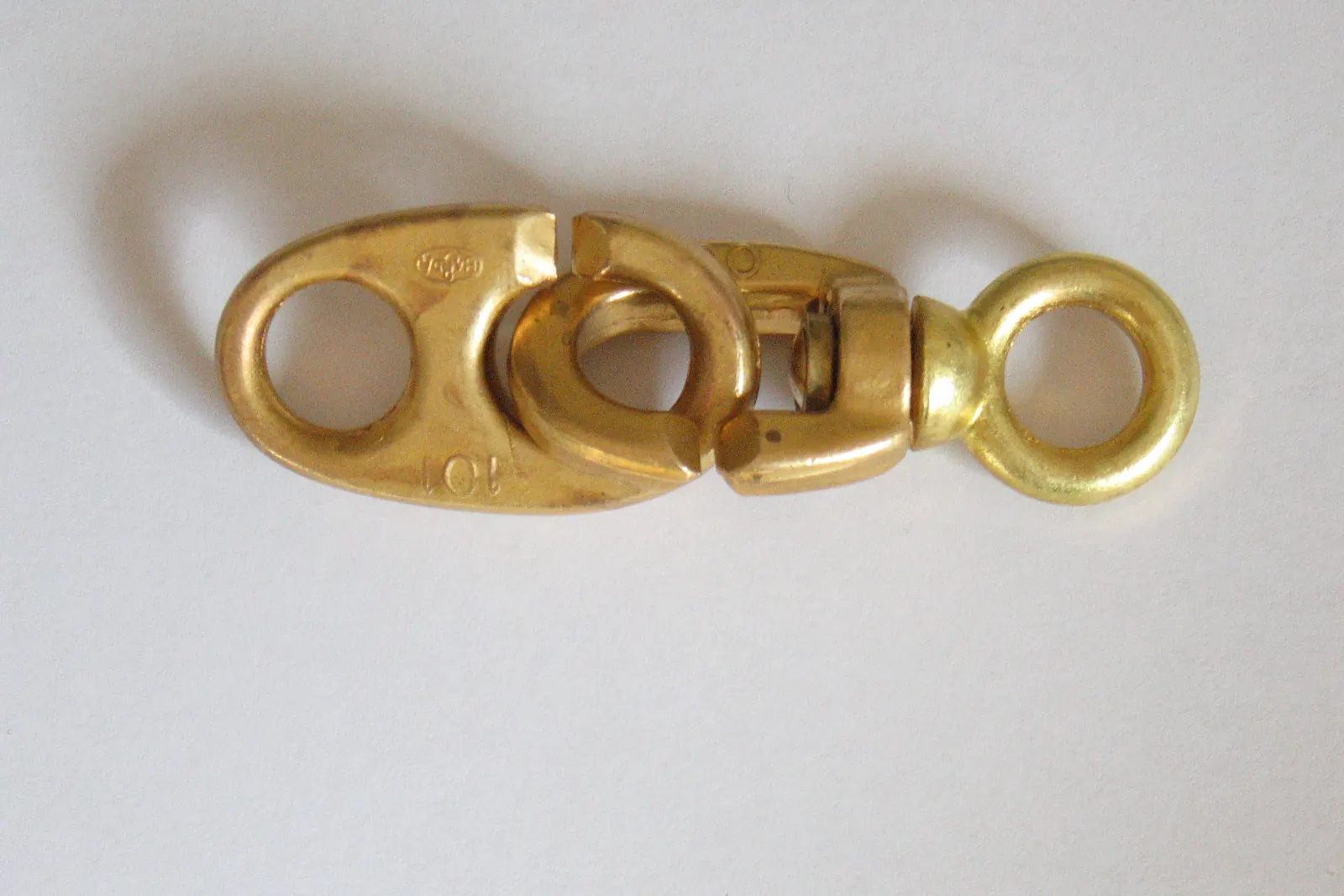
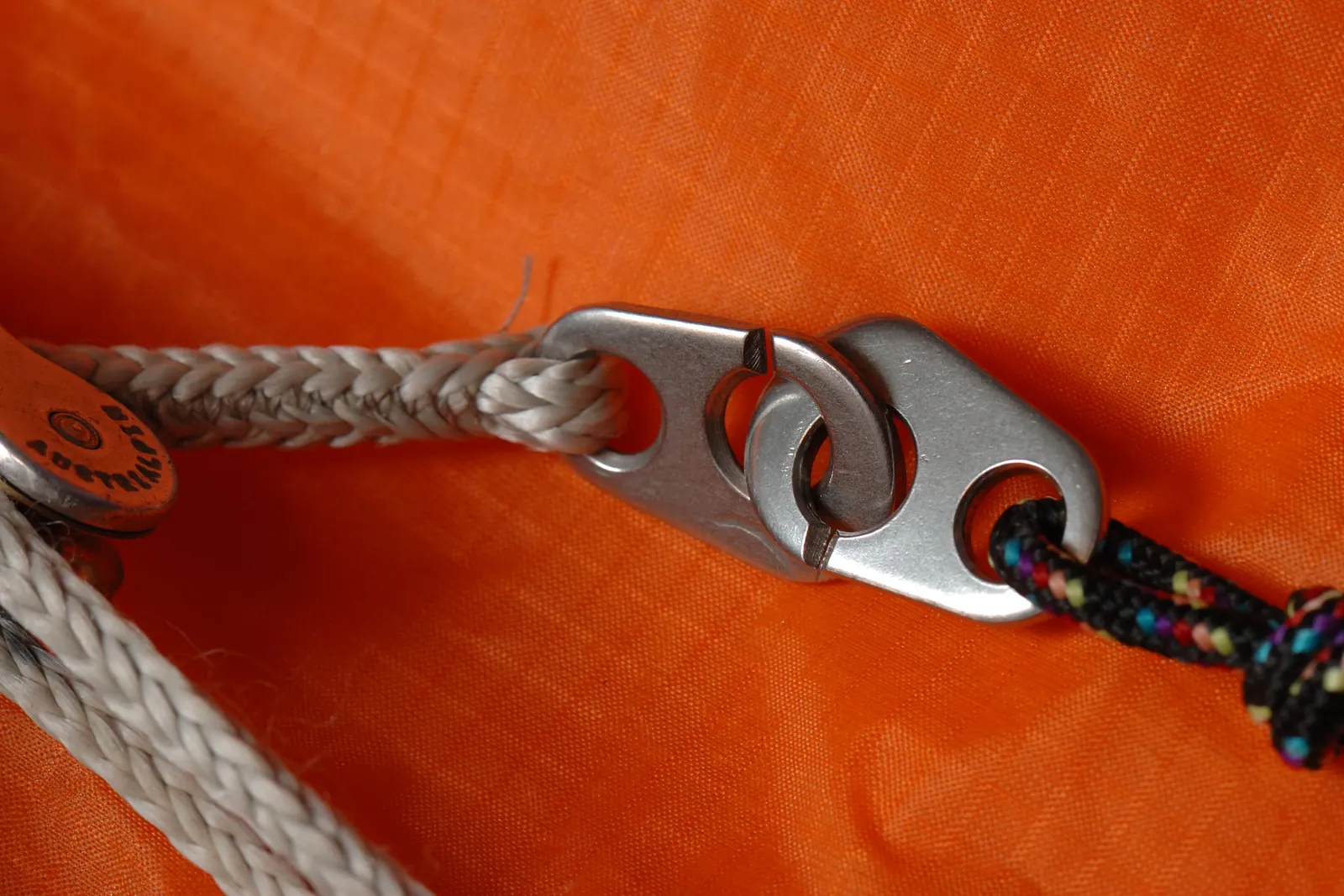
- Fittings: according to the Flag & Banner Company, the fittings attach the flag’s heavy-duty header to the halyard. The most frequently used are rope and toggle and sister clips; other methods include eyelets, rope top and bottom, a closed sleeve and soft loops.
- Cleat: the fitting near the base on which an external halyard is tied off.
- Lockable access point: on poles with an internal halyard, the rope is reached through a lockable door, as on Flagmakers’ internal halyard poles. According to the Flag & Banner Company, an internal halyard needs a pole section of at least 76.25 mm.
When the flag is taken down, MCH describes folding it in half and in half again, folding it lengthwise twice, bringing the ends together, folding it concertina-style towards the hoist and keeping the bundle together by winding the halyard around and under itself.
Yardarm, gaff and spars
MCH’s glossary defines a spar as a stout rounded piece, usually of wood or metal, used to support rigging; a yardarm as a spar slung horizontally across a flagpole; and a gaff as a spar extending out from a flagpole. A pole with a yardarm or gaff can carry several flags. The order of flags on them is described in the guide to flag protocol.
At the base
According to the Flag & Banner Company, a pole can be mounted:
- over a spigot concreted into the ground, usually the most economic way
- on a plinth-type spigot
- on a folding spigot, which allows the pole to be lowered
- direct to a substantial structure like a wall or post.
Flagmakers adds parapet mounts for decks and facades, a 1 metre galvanised ground tube and a heavy-duty base mount for concrete. More in the guide to installing a flagpole.
Flags
Some flag makers include a flag with a flagpole, others sell it separately. Which flag sizes suit the pole is explained in the guide to flag sizes.
Lighting
Under the New Zealand Flag Notice 2024, the flag is not flown at night on a government building unless it is floodlit. A spotlight at the base or a light on the pole makes night flying possible. Lighting and its rules are covered in the guide to flag lighting.
Wear and spare parts
Halyards, pulleys and clips wear faster than the pole itself, especially in strong sun and salt air. How the parts work together is explained in the guide to how a flagpole works, and the usual faults in the guide to flagpole repair.
Frequently asked questions
What is a halyard?
According to the glossary of Manatū Taonga, the halyard is the rope by which a flag is raised and lowered. The flag is attached to it with fittings such as rope and toggle or sister clips.
What are sister clips?
Sister clips are metal clips that attach a flag to the halyard. According to the Flag & Banner Company, rope and toggle and sister clips are the most frequently used fittings on flags in New Zealand; other methods include eyelets, a closed sleeve and soft loops.
What is the truck of a flagpole?
The truck is the fitting at the top of the pole that holds the pulley over which the halyard runs. New Zealand flag makers such as Flagmakers use a cast aluminium truck.
Are flags included when buying a flagpole?
Sometimes. Some New Zealand flag makers include a flag with a flagpole, while others sell it separately, so what a package contains differs between makers.
Sources
This guide is based on the following sources:
- Display rules for the New Zealand flag – Glossary of flag terms and folding – Manatū Taonga – Ministry for Culture and Heritage
- Flag & Banner Company – FAQ – Flag & Banner Company
- Flagpoles – Flag & Banner Company
- Supreme internal halyard flag pole – Flagmakers
- New Zealand Flag Notice 2024, clause 6 – New Zealand Gazette
Related guides
- How a flagpole worksHow a flagpole works: the halyard and truck, internal and external halyards, breaking a flag at the top, half-masting, yardarms and gaffs, and folding spigots.
- Flagpole maintenanceFlagpole and flag maintenance in New Zealand conditions: checking the pole, mount and halyard, UV and sea spray, folding, storing and disposing of flags.
- Flagpole repairCommon flagpole faults in New Zealand and their causes: broken or stuck halyards, seized pulleys, wrapped flags, corrosion, loose mounts and storm damage.
- Flag lightingWhen the New Zealand flag flies at night, how flags are lit, light spill and district plan lighting rules, and who may do the electrical work on a flagpole.