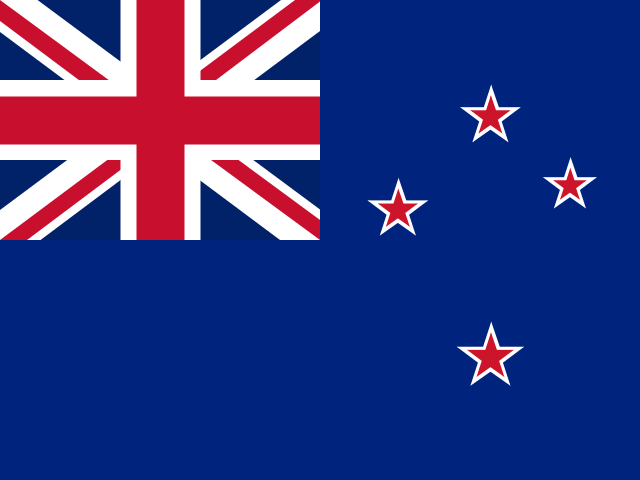
Flag lighting in New Zealand: flying the flag at night
Published Written by Flagpole Guides
A lit flag over Parliament, a war memorial or a company headquarters is visible by night as well as by day. In New Zealand, the New Zealand Flag Notice 2024 links flying at night to lighting: on a government building, the flag is not flown at night unless it is floodlit. Those who light a flag also touch on other rules: the district plan’s limits on light spill and glare, and the licensing of electrical work.
Day and night in the Flag Notice
Clause 6 of the Flag Notice sets the rules for government buildings:
- a flag that is flown on any day or part of a day is flown continuously throughout that day or part of the day
- the flag is not flown at night on a government building unless it is floodlit.
According to Manatū Taonga – Ministry for Culture and Heritage (MCH), a flag at half-mast is raised to the top again at the end of the day before it is lowered for the day. More in the guide to half-mast.
How flags are lit
The usual ways of lighting a flag are:
- Ground spotlights at the base of the pole, pointing up at the flag. They are simple to install but also light the sky above the flag.
- Lights mounted on the pole, near the top, pointing down at the flag, which keeps the light on the flag and reduces spill.
- Solar lights on the top of the pole, for poles without mains power.
A flag that stays up day and night is exposed for longer. According to MCH, the flag should never be flown in a dilapidated condition. More in the guide to flagpole lifespan.
Light spill and district plans
Light that shines onto neighbouring properties is managed through the district plan. The Auckland Unitary Plan, for example, has a chapter on lighting, E24, with the aim of avoiding significant glare and light spill onto adjacent sites, maintaining safety for road users and minimising the loss of night-sky viewing. It sets:
- limits on the illuminance that artificial lighting may add at the boundary of neighbouring sites, depending on the zone
- a curfew from 10 pm to 7 am, with stricter limits than during the pre-curfew hours
- limits on glare from exterior lighting next to land with a dwelling.
Lighting is measured under Standard AS 4282, which covers the obtrusive effects of outdoor lighting. Other councils have their own rules, which the council can explain.
Electrical work
Fixed lighting connected to the mains is electrical work. According to the Electrical Workers Registration Board (EWRB), only registered and licensed electrical workers can carry out or supervise prescribed electrical work, which is regulated under the Electricity Act 1992 and the Electricity (Safety) Regulations 2010. The EWRB publishes a register for checking that an electrical worker is currently licensed. Solar lights avoid mains wiring. For the pole itself, overhead power lines are a separate hazard, covered in the guide to flagpole safety.
Businesses and public buildings
Businesses, clubs and councils often light their flags so that they can stay up around the clock. In the Auckland Unitary Plan, a sign includes flags and projections of light that can be seen from a public space or a neighbouring property and advertise a business, so a company flag can fall under the plan’s rules for signs. More in the guide to flagpoles for businesses.
Frequently asked questions
Can the New Zealand flag fly at night?
On government buildings, only when it is floodlit: clause 6 of the New Zealand Flag Notice 2024 states that the flag is not flown at night on a government building unless it is floodlit. For other flag owners, the notice indicates official practice rather than a rule.
Do district plans have rules on lighting?
Yes. District plans often limit light spill and glare onto neighbouring sites. The Auckland Unitary Plan, for example, sets limits on the light that may fall on neighbouring sites, with stricter limits during the curfew from 10 pm to 7 am.
Who may install lighting on a flagpole?
According to the Electrical Workers Registration Board, only registered and licensed electrical workers can carry out or supervise prescribed electrical work, which is regulated under the Electricity Act 1992 and the Electricity (Safety) Regulations 2010. Solar lights avoid wiring to the mains.
Does lighting a flag make it wear faster?
A flag that stays up day and night is exposed to wind and weather for longer. Manatū Taonga notes that the New Zealand flag should never be flown in a dilapidated condition, so a flag that flies around the clock reaches the end of its use sooner.
Sources
This guide is based on the following sources:
- New Zealand Flag Notice 2024, clause 6 – New Zealand Gazette
- Auckland Unitary Plan, Chapter E24 Lighting – Auckland Council
- Auckland Unitary Plan, Chapter J1 Definitions – Sign – Auckland Council
- Why use a registered electrical worker – Electrical Workers Registration Board
- New Zealand flag – Manatū Taonga – Ministry for Culture and Heritage
- Display rules for the New Zealand flag – Manatū Taonga – Ministry for Culture and Heritage
Related guides
- Flag flying rulesThe rules for flying the New Zealand flag: who may fly it, flying at night, the flag’s condition and disposal, advertising and the offences in the Flags Act.
- Flagpole accessoriesThe parts of a flagpole explained: truck and pulley, halyard, toggles and sister clips, cleat, lockable halyard access, yardarm, gaff, spigot and lighting.
- Flagpoles for businessesFlagpoles for New Zealand businesses: house flags beside the national flag, the flag in advertising, flags as signs, half-masting and health and safety duties.
- Installing a flagpoleInstalling a flagpole in New Zealand: building consent under the Building Act, district plan rules, heritage, footings, underground services and power lines.